
Why Every Homeowner Needs a Reliable Garbage Disposal Unclogger
A garbage disposal unclogger is essential for every kitchen. When your disposal jams or clogs, you need fast, safe solutions to get your sink draining again. Here are the most effective methods:
Quick Unclogging Methods:
- Reset and Visual Clear – Turn off power, inspect with flashlight, remove visible debris with tongs
- Manual Turn – Use 1/4-inch Allen wrench to rotate impellers clockwise and counterclockwise
- Baking Soda & Vinegar – Pour 1/2 cup baking soda + 1 cup vinegar, wait 10-15 minutes, flush with hot water
- Plunger Method – Use flat-cup sink plunger with 3-4 inches of water, seal other drain if double sink
A clogged garbage disposal means standing water, unpleasant odors, and a kitchen workflow that grinds to a halt. It’s frustrating, but the good news is that most clogs are fixable with tools you already have at home.
With approximately 50% of U.S. households using garbage disposals, clogs are a common problem. But you don’t need to call a plumber for every jam. This guide will show you safe, effective DIY solutions that can save you time and money—repairs start at $140, while DIY fixes can cost as little as $0 to $5.
I’m Jacob Reese, Vice President of Standard Plumbing Supply and a third-generation plumbing professional who’s helped thousands of contractors and homeowners solve disposal issues. Whether you’re dealing with your first clog or looking for better garbage disposal unclogger techniques, I’ll walk you through proven methods that work.
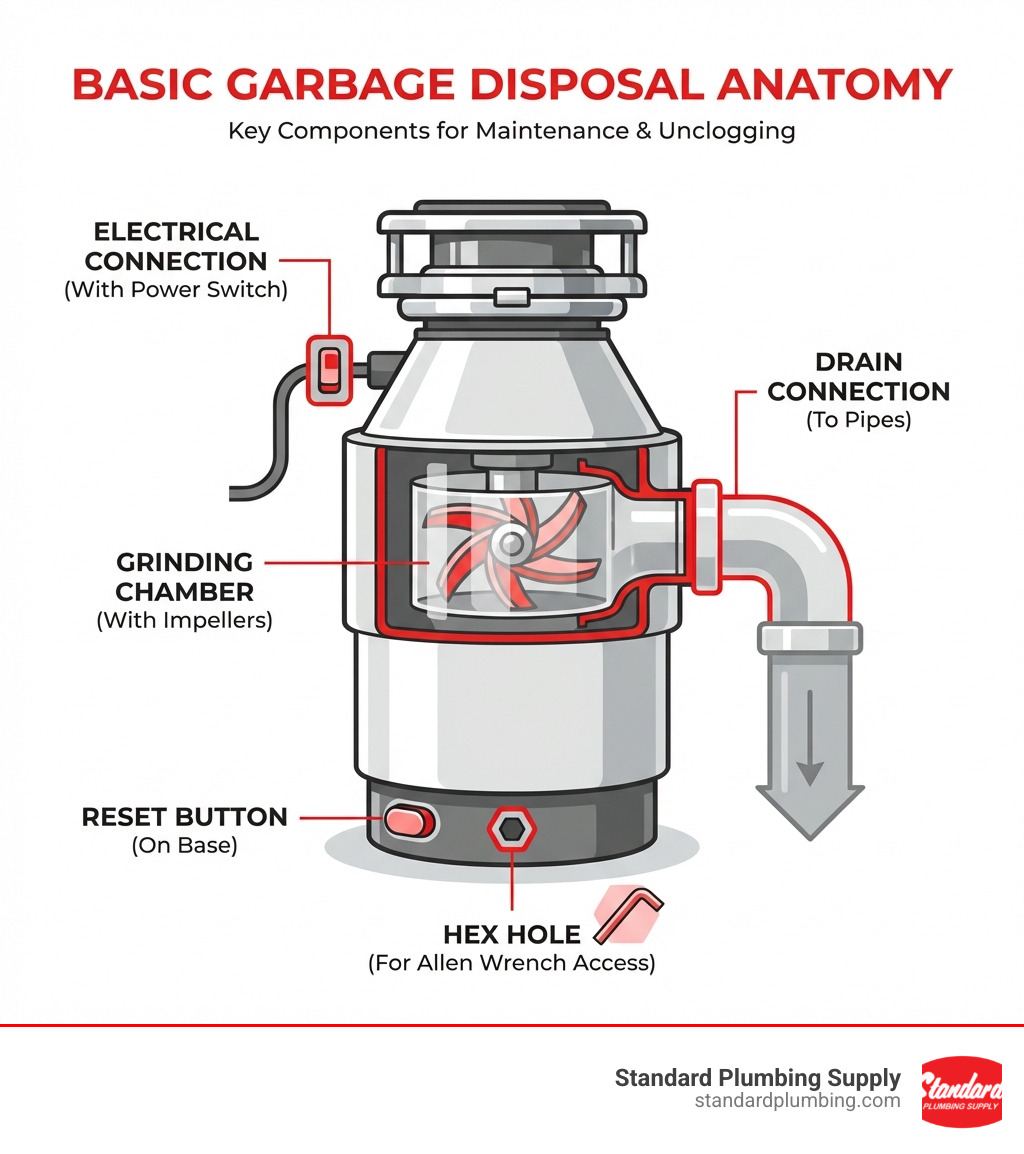
Find more about garbage disposal unclogger:
Understanding the Clog: Common Causes and Forbidden Foods
Before we dive into how to fix a clogged disposal, it’s helpful to understand why these blockages happen in the first place. Most garbage disposal clogs are preventable, often stemming from putting items down the drain that the disposal simply isn’t designed to handle. Think of your garbage disposal as a helpful kitchen assistant, not a trash can.
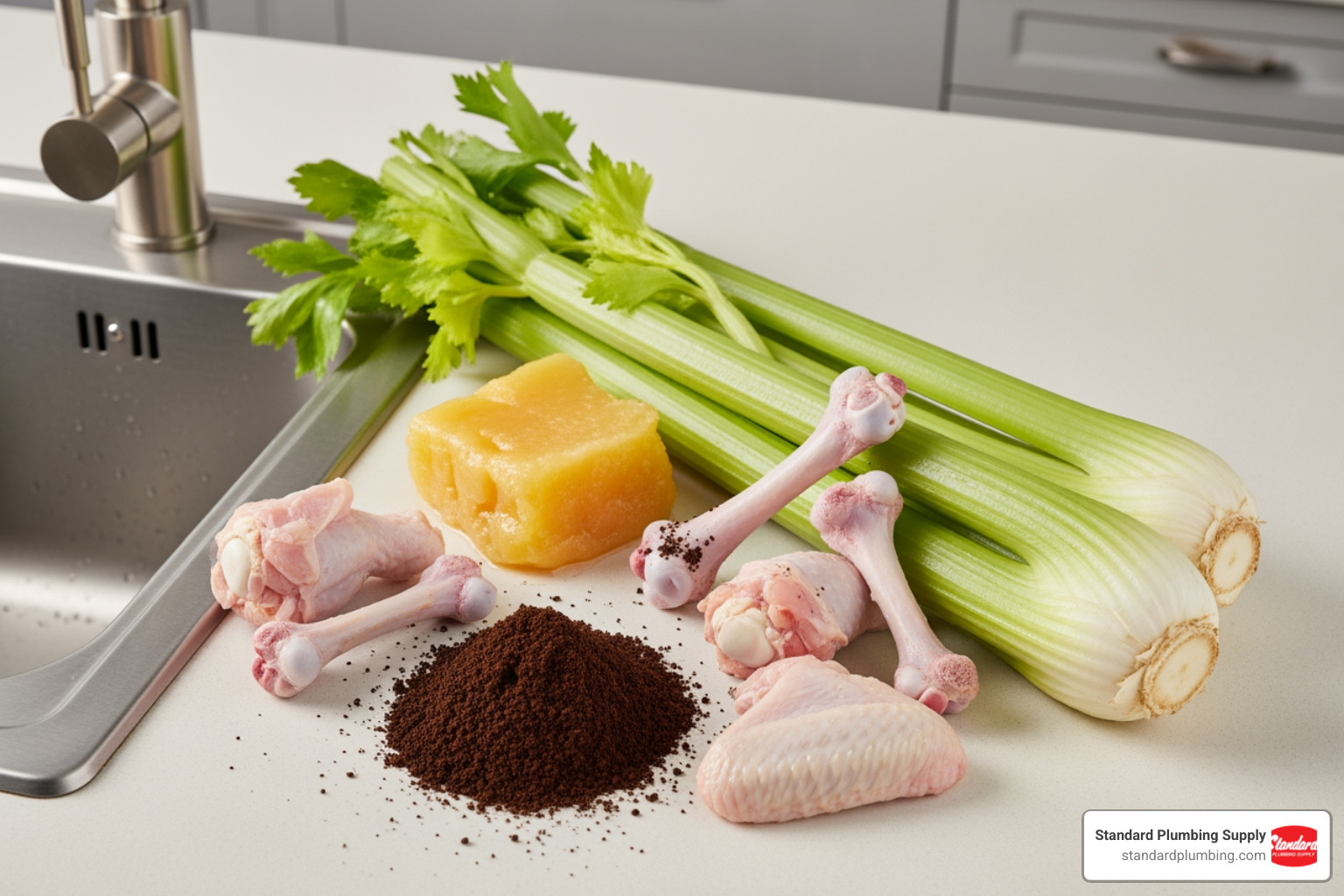
Here are the common culprits we often encounter:
- Grease, Oils, and Fats: This is a frequent cause of stubborn clogs. When hot, these substances flow easily, but they cool and solidify inside your pipes, creating a sticky blockage that traps food particles. This can lead to a complete pipe blockage, stopping your drain.
- Fibrous Foods: While your disposal can handle some food waste, certain fibrous items are notorious for tangling around the impellers (the grinding components) and within the drain lines. These include:
- Celery stalks
- Onion skins
- Corn husks
- Asparagus
- Rhubarb
These materials can create a strong, stringy web that prevents the impellers from rotating freely, leading to a jam or a slow-draining sink.
- Starchy Foods: Foods that expand or become pasty when wet can also cause significant problems.
- Pasta
- Rice
- Potato peels
- Beans
These items can swell and create a thick, glue-like paste that coats the grinding chamber and pipes, leading to a challenging blockage.
- Hard Materials: Your disposal’s impellers are tough, but they’re not invincible. Very hard items can damage or jam the grinding mechanism.
- Bones (chicken, beef, pork)
- Fruit pits (peach, avocado)
- Eggshells (despite popular belief, the membranes in eggshells can stick to pipes and contribute to clogs)
These can dull the impellers, cause them to seize, or even damage the motor over time.
- Foreign Objects: Accidents happen! Sometimes, non-food items inadvertently fall into the disposal.
- Silverware (spoons, forks)
- Bottle caps
- Sponges
- Small toys
- Cleaning cloths
These can instantly jam the disposal, preventing it from turning and often causing an alarming humming sound.
- Insufficient Water Flow: This is often overlooked, but crucial. Without enough cold water, food particles can’t be properly flushed through the grinding chamber and into the drain lines. Instead, they can accumulate and contribute to clogs. Always run cold water before, during, and for at least 30 seconds after using your disposal.
Understanding these common causes is the first step toward becoming a garbage disposal unclogger pro and maintaining a healthy, free-flowing drain.
Your Step-by-Step DIY Garbage Disposal Unclogger Methods
When your garbage disposal acts up, we know you want solutions fast. The good news is that many common issues can be resolved with simple DIY methods, saving you the expense and wait time of a professional service call. DIY fixes for a jammed garbage disposal can cost as little as $0 if you use existing tools, compared to professional repairs that can start at $140.
Safety First: Before attempting any of the following methods, always turn off the power to your garbage disposal at the switch on the wall or, even better, at your electrical panel. This is paramount to prevent serious injury. Never, ever put your hands into the disposal opening. We can’t stress this enough – those impellers are sharp, even when not moving, and the electrical components can be hazardous. Use tools like tongs or pliers to retrieve objects.
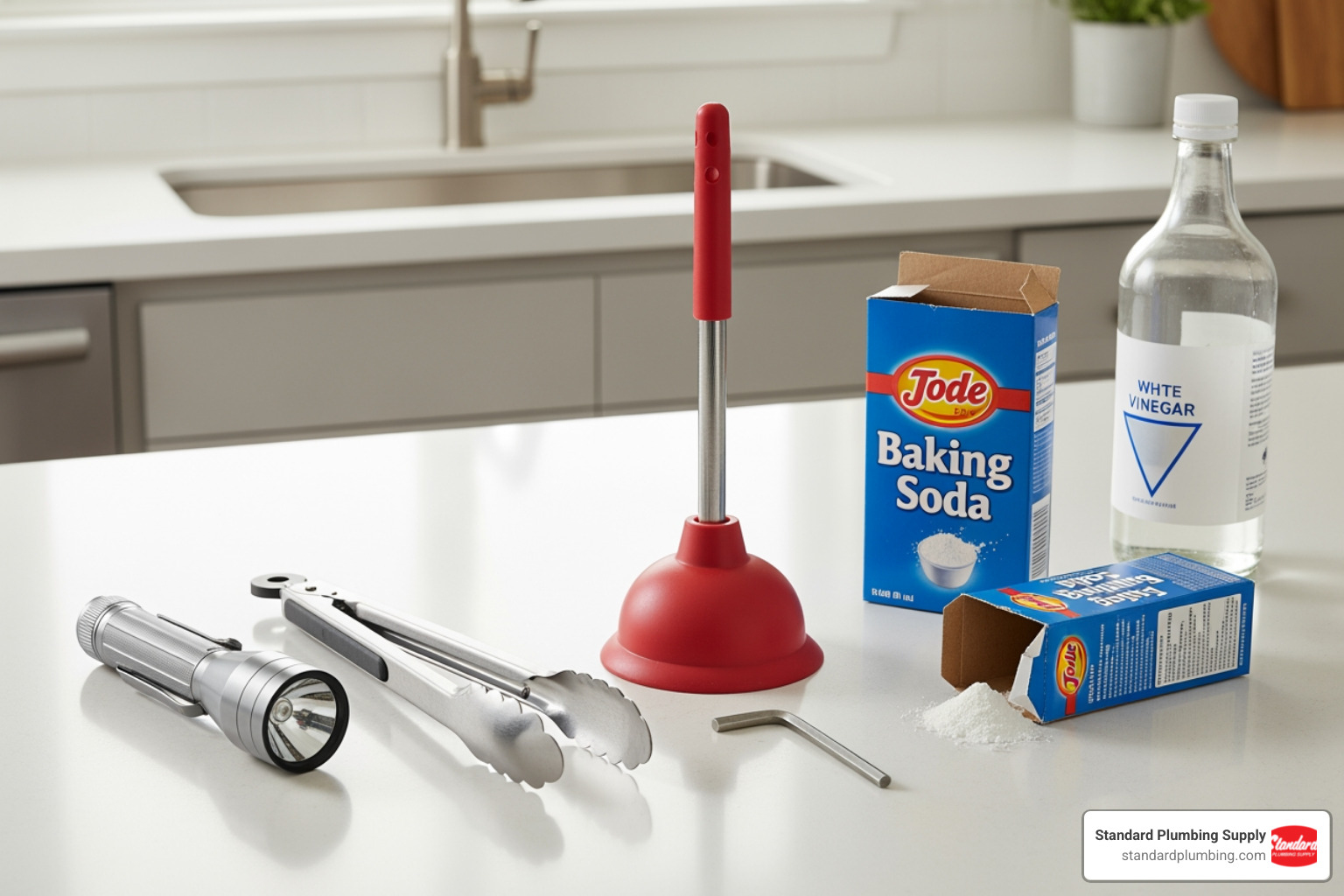
Here’s a quick comparison of our top DIY garbage disposal unclogger methods:
| Method | Effectiveness | Required Tools | Best Use Case |
|---|---|---|---|
| Reset & Visual Clear | Good for minor jams, tripped motor | Flashlight, tongs/pliers | Humms but doesn’t grind, small visible objects, no power. |
| Manual Turn | Excellent for mechanical jams | 1/4-inch Allen wrench, wooden spoon/handle | Disposal hums and is completely jammed, no visible objects from above. |
| Baking Soda & Vinegar | Good for grease buildup, odors | Baking soda, white vinegar, hot water | Slow draining, minor grease clogs, foul odors, general maintenance. |
| Plunger Method | Very effective for drain line clogs | Sink plunger (flat cup) | Standing water in the sink, clog is further down the drain. |
Method 1: The Simple Reset and Visual Clear
Often, a humming disposal that isn’t grinding means it’s jammed or has tripped its internal overload protector. This is one of the easiest fixes for a garbage disposal unclogger.
- Turn Off Power: First, ensure the power switch for the disposal is in the “off” position.
- Flashlight Inspection: Grab a flashlight and peer into the disposal opening. Look for any obvious foreign objects.
- Remove Obstructions: If you spot anything like a spoon, bottle cap, or a large piece of food, use tongs or pliers to carefully remove it. Never use your bare hands!
- Locating the Reset Button: Most garbage disposals have a small red reset button located on the bottom of the unit. This is an automatic overload switch designed to protect the motor from overheating if it jams.
- Press the Reset Button: If the button is extended or dropped down about a quarter of an inch (5mm), gently press it firmly back in. Sometimes, if the motor overheated, it may require 10-15 minutes to cool down before the button will stay in. If it pops back out immediately, let it cool a bit longer and try again.
- Test: Once reset, turn the power back on and run cold water before switching on the disposal to see if it’s working properly. If it still hums or doesn’t turn on, proceed to the next method.
Method 2: How to Manually Clear a Jammed Garbage Disposal Unclogger
If the reset button doesn’t work, or if your disposal is humming loudly but not grinding, it’s likely a mechanical jam that needs manual intervention. This is where an Allen wrench comes in handy.
- Turn Off Power (Again!): Safety first! Make absolutely sure the power to the disposal is off.
- Locate the Hex Hole: Look on the very bottom of your garbage disposal unit. You’ll usually find a small, hex-shaped hole in the center. This is designed for a 1/4-inch Allen wrench (sometimes called a hex wrench). Many disposals, especially InSinkErator models, come with a special self-service wrench about four inches long for this purpose. If you can’t find yours, a standard 1/4-inch Allen wrench will work.
- Insert and Turn: Insert the Allen wrench into the hex hole. Work it back and forth, clockwise and counterclockwise, about five times. You might feel resistance at first, but keep wiggling it gently. This action manually rotates the impellers, helping to dislodge whatever is causing the jam. You may hear a ‘clunk’ as the obstruction breaks free.
For more detailed guidance on this, check out this resource on Fixing a Jammed Garbage Disposal. - No Hex Hole? Use a Wooden Spoon: If your disposal doesn’t have a hex hole, or if the jam is particularly stubborn from above, you can try using a long-handled wooden spoon or a broom handle. Insert the handle into the disposal opening and try to manually push and pry the impellers around. Again, never use your hand.
- Remove Debris: Once the impellers can move freely, use tongs or pliers to remove any dislodged debris.
- Reset and Test: Press the reset button on the bottom of the unit, turn the power back on, and run cold water. Then, turn on the disposal to ensure it’s functioning correctly.
For more information about the internal components of your disposal that these methods affect, you can explore our resources on Plumbing Tubular Supply – Disposal Parts.
Method 3: The Natural Garbage Disposal Unclogger Solution
For minor clogs, slow drains, or unpleasant odors, a chemical-free solution using common household items is often effective and much safer for your pipes and the environment than harsh chemical drain cleaners. This method is particularly good for breaking down grease and general buildup.
- Clear Standing Water: If there’s standing water in your sink, try to remove as much of it as possible before starting.
- Baking Soda First: Pour about 1/2 cup of baking soda directly into the garbage disposal drain.
- Follow with Vinegar: Immediately follow with 1 cup of distilled white vinegar. You’ll hear a fizzing sound—this is the chemical reaction working to break down grime and grease.
- Let It Sit: Place the sink stopper in the drain and let the mixture sit for at least 10-15 minutes, or even up to an hour for tougher clogs. The longer it fizzes, the more it works.
- Flush with Hot Water: After the waiting period, remove the stopper and flush the drain with hot water for at least a minute. This will wash away the loosened debris. Some sources suggest using boiling water for this step, but we recommend very hot tap water to avoid any potential stress on older PVC pipes.
- Repeat if Necessary: For stubborn clogs, you might need to repeat this process.
This method is a gentle yet effective garbage disposal unclogger and deodorizer.
Method 4: Using a Plunger for Drain Line Clogs
Sometimes, the clog isn’t directly in the disposal unit itself, but further down the drain line. This is often indicated by standing water in your sink, even after the disposal appears to be clear or functioning. A sink plunger can provide the necessary force to dislodge these deeper blockages.
- Clear Sink: Remove any dishes or large food particles from the sink.
- Fill with Water: Fill the sink with about 3-4 inches of water. This creates a seal for the plunger and helps transmit the force of the plunge.
- Use a Sink Plunger: It’s important to use a flat-cup sink plunger, not a toilet plunger (which has a flange on the end). The flat cup creates a better seal over the drain.
- Double Sink Technique: If you have a double sink, you’ll need to seal the non-disposal drain opening. Use a stopper or have someone firmly hold a wet rag over it. This ensures that the pressure from plunging is directed down the clogged pipe, rather than simply pushing water up the other sink.
- Position the Plunger: Place the plunger firmly over the garbage disposal opening, ensuring a good seal around the drain.
- Plunge Vigorously: Press down gently to create the seal, then pull upwards quickly and forcefully. Repeat this vigorous plunging motion six to eight times.
- Check and Repeat: Remove the plunger and see if the water drains. If it’s still draining slowly or not at all, replace the plunger and repeat the process.
- Flush: Once the water begins to drain, flush with cold water for a minute or two to clear any remaining debris.
This method can be a highly effective garbage disposal unclogger for blockages beyond the grinding chamber.
Prevention and Long-Term Maintenance
An ounce of prevention is worth a pound of cure, especially when it comes to your garbage disposal. Implementing good habits can significantly extend its lifespan and prevent frustrating clogs. The average lifespan of a garbage disposal is 10-15 years, and proper care can help you reach that upper limit.
Here’s a breakdown of “Disposal-Friendly” vs. “Trash-Only” foods to guide your kitchen habits:
Disposal-Friendly (in moderation with cold water):
- Most cooked food scraps (small pieces)
- Soft fruits and vegetables (small pieces)
- Citrus peels (great for deodorizing!)
- Ice cubes (helps clean impellers)
Trash-Only (never put these down):
- Grease, oils, fats
- Fibrous vegetables (celery, onion skins, corn husks, asparagus)
- Starchy foods (pasta, rice, potato peels)
- Bones, fruit pits, large seeds
- Eggshells
- Coffee grounds
- Nuts
- Non-food items (plastic, metal, paper, cleaning rags)
Best Practices for Daily Use:
- Use Cold Water: Always run a moderate flow of cold water before you turn on the disposal, during the grinding process, and for at least 30 seconds after you turn it off. Cold water helps solidify grease and oils so they can be chopped and flushed away, rather than coating your pipes. Hot water, conversely, can cause oils and fats to spread into pipes and harden, leading to clogs.
- Feed Food Scraps Slowly: Don’t overload your disposal. Feed small amounts of food waste gradually, allowing the unit to grind completely before adding more. This prevents jamming and ensures thorough processing.
- Use It Regularly: Believe it or not, using your disposal daily helps prevent food particles from sitting and corroding parts, and keeps the components moving freely.
Monthly Maintenance for a Happy Disposal:
- Ice Cubes and Coarse Salt: Once a month, drop a tray of ice cubes (about 2 cups) and a handful of coarse salt (like rock salt or kosher salt) into the disposal. Run cold water and turn on the disposal. The ice helps to dislodge food particles and clean the grinding chamber, while the salt acts as an abrasive to scrub the impellers.
- Citrus Peels for Deodorizing: After the ice and salt treatment, toss in a few citrus peels (lemon, lime, orange) with cold water. These will not only clean the grinding elements but also leave your sink smelling fresh.
- Consult Your Manual: We always recommend reviewing your disposal’s instruction manual for specific usage and maintenance tips unique to your model.
By following these simple prevention and maintenance tips, you can significantly reduce the need for a garbage disposal unclogger and enjoy a trouble-free kitchen for years to come.
When to Call a Professional Plumber
While many garbage disposal issues can be resolved with DIY methods, there are times when it’s best to call in the professionals. Knowing when to seek expert help can save you from further damage, costly repairs, or even personal injury. Hiring a plumber to unclog a garbage disposal can cost $45 to $200 per hour, but sometimes it’s a necessary investment.
Here are the signs that indicate it’s time to reach out to a professional plumber:
- DIY Methods Fail: If you’ve tried all the recommended DIY garbage disposal unclogger methods—resetting, manually clearing jams, using baking soda and vinegar, and plunging—and your disposal is still clogged, jammed, or not working, it’s time to call in the experts.
- Persistent Humming, No Grinding: If your disposal hums when you turn it on but doesn’t grind, and you’ve already cleared any visible obstructions and tried the Allen wrench method, the motor might be burned out, or there could be a more complex internal issue. Running the motor with a clog can burn it out and cause damage.
- Leaks from the Unit: Any water leaking from the bottom or sides of your garbage disposal unit is a serious problem. This could indicate a cracked housing, loose seals, or a damaged connection, which can lead to water damage under your sink and potentially structural issues.
- Frequent Clogs: If your disposal is clogging repeatedly, even after you’ve adjusted your usage habits and performed regular maintenance, it suggests an underlying problem. This could be an issue with your plumbing system beyond the disposal, such as a clog deep in the drain line or an improperly installed unit.
- Slow Grinding Performance: If your disposal takes a long time to grind food or struggles with items it used to handle easily, its impellers might be worn out, or the motor could be failing.
- Foul Odors That Won’t Go Away: While some odors can be tackled with baking soda and citrus, persistent, strong foul odors that return quickly might indicate stubborn food buildup that’s beyond simple cleaning, or even a problem with your P-trap or drain ventilation.
- Safety Concerns: Garbage disposals contain sharp parts and electrical components. If you’re uncomfortable performing any of the DIY steps, or if you suspect an electrical problem (like tripped breakers that won’t reset), always prioritize your safety and call a professional.
- Complex Plumbing Clogs: If the clog appears to be affecting other drains in your home (e.g., your dishwasher or other sinks), it indicates a larger plumbing issue that requires professional diagnosis and specialized tools. For such issues, you might need expertise in Plumbing Drains – General Purpose Drains.
Cost Comparison:
- DIY Fixes: As little as $0 to $5 (for baking soda, vinegar, or an Allen wrench).
- Professional Repair: Can start at $140, with plumbers charging $45 to $200 per hour.
- Replacement: Replacing a garbage disposal can cost around $400, not including installation.
While DIY fixes are great for common issues, knowing when to call a professional ensures your problem is resolved safely and effectively, especially if your unit is nearing the end of its 10- to 15-year lifespan.
Frequently Asked Questions
We hear a lot of questions about garbage disposals, especially when they’re not working. Here are some of the most common ones we get, along with our expert answers.
Are chemical drain cleaners safe for my garbage disposal?
Generally, we strongly advise against using harsh chemical drain cleaners in your garbage disposal. While some products claim to be “safe for disposals,” many contain corrosive chemicals that can cause more harm than good. These chemicals can degrade the rubber seals, plastic components, and even the metal parts within your disposal over time, leading to leaks and premature unit failure. They can also be harmful to your plumbing pipes, especially older PVC or cast iron systems.
Instead, we recommend sticking to safer, natural alternatives like the baking soda and vinegar method we discussed earlier, or using mechanical methods like plunging or manually clearing jams. These methods effectively act as a garbage disposal unclogger without risking damage to your appliance or plumbing system.
My disposal is just humming. What does that mean?
If your garbage disposal is humming but not grinding or spinning, it almost always means the impellers are jammed. Something is stuck between the grinding plate and the impellers, preventing them from rotating. This is a common issue, and thankfully, often a straightforward fix.
What to do:
- Immediately turn off the power to the disposal at the wall switch or circuit breaker.
- Follow the steps in “Method 1: The Simple Reset and Visual Clear” and “Method 2: How to Manually Clear a Jammed Garbage Disposal Unclogger” to clear the obstruction and free the impellers. You’ll likely need your flashlight and an Allen wrench.
- Once the jam is cleared, press the red reset button on the bottom of the unit before restoring power.
A humming disposal is your unit’s way of telling you it’s trying to work but can’t, and it needs your help to become a functioning garbage disposal unclogger again.
How do I know when it’s time to replace my disposal?
The average lifespan of a garbage disposal is typically 10 to 15 years. If your unit is approaching or has exceeded this age, and you’re experiencing persistent problems, it might be more cost-effective to replace it than to continually repair it. Replacing a garbage disposal can cost around $400, not including installation, but it can provide peace of mind and better performance.
Here are the key signs that indicate it’s time to consider a replacement rather than just another garbage disposal unclogger attempt:
- Frequent Clogs and Jams: If you find yourself constantly clearing clogs, even after following all the prevention and maintenance tips, it suggests the grinding components are no longer efficient.
- Persistent Leaks: Small leaks can often be repaired by tightening connections or replacing seals. However, if you have a crack in the disposal’s housing, or if leaks keep reappearing, replacement is the best solution.
- Loud or Unusual Noises: While disposals are inherently noisy, grinding noises that become excessively loud, clanging, or rattling, or a motor that whines without grinding, can indicate worn-out impellers, motor bearing failure, or internal damage.
- Inefficiency: If your disposal struggles to grind food that it used to handle easily, or if it takes a very long time to process waste, its grinding power may be significantly diminished.
- Foul Odors That Won’t Go Away: Beyond simple food residue, persistent, deep-seated odors could mean inaccessible buildup or internal corrosion that cleaning can’t resolve.
- Requires Frequent Resets: If you constantly have to press the reset button, it’s a sign that the motor is continually overheating or encountering resistance, indicating it’s struggling to function properly.
If you’re experiencing one or more of these issues, especially with an older unit, it’s a strong indicator that your garbage disposal is nearing the end of its life and a replacement would be a wise investment for a smoothly running kitchen.
Conclusion: A Clog-Free Future for Your Kitchen
Dealing with a clogged garbage disposal can certainly put a damper on your kitchen routine, but as we’ve explored, many common issues are well within your power to fix. We’ve equipped you with a range of effective DIY garbage disposal unclogger methods, from simple resets and manual jam clearing to natural cleaning solutions and strategic plunging techniques.
Safety is always our top priority—always turn off the power and keep your hands out of the disposal. More importantly, prevention is truly key. By understanding what not to put down your drain and adopting consistent maintenance habits, you can dramatically reduce the likelihood of future clogs, keeping your disposal happy and your sink free-flowing.
At Standard Plumbing Supply, we believe in empowering homeowners with the knowledge and resources to tackle common plumbing challenges with confidence. For those tough clogs that defy DIY solutions, or when you’re ready to upgrade your system, we’re here to help you find the right products to get the job done. Here’s to a clog-free future for your kitchen!
