
Why Understanding Your Sewer Line Cleaner Options Matters
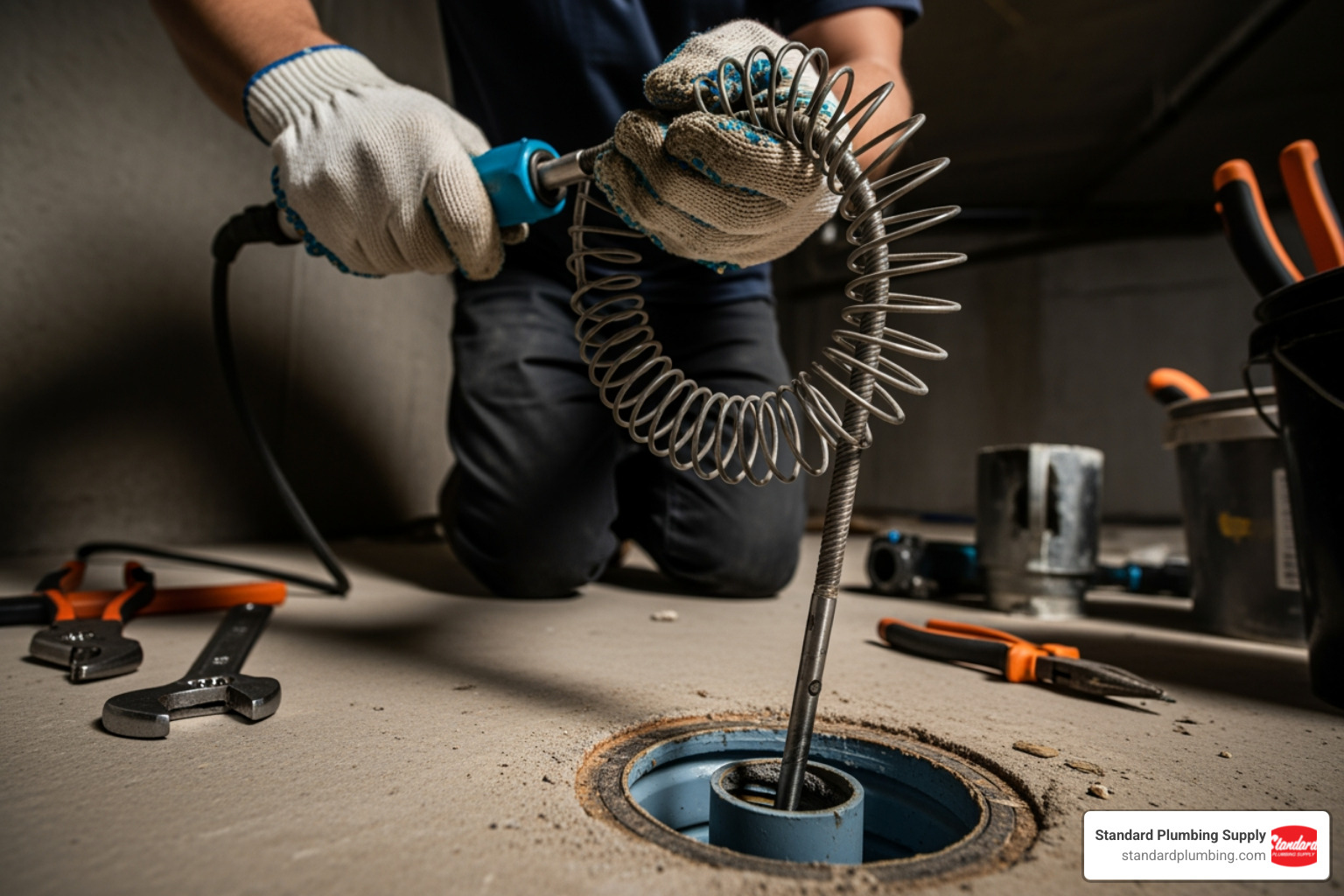
A home plumber sewer line cleaner is a tool or product designed to remove blockages from your main sewer line—the primary drainage pipe leaving your home. Understanding your options helps you quickly address clogs before they cause costly water damage, foul odors, or complete system backups.
Quick Answer: Your Main Options
- Chemical Cleaners – Fast-acting but risky for older pipes (caustic, acidic, or oxidizing formulas)
- Enzymatic Cleaners – Safer, eco-friendly option using natural bacteria to break down organic waste
- Mechanical Tools – Physical removal using drain snakes, augers, or professional hydro-jetting
- When to DIY – Simple clogs in accessible cleanouts with proper safety equipment
- When to Call a Pro – Persistent clogs, suspected pipe damage, or tree root intrusion
Slow drains, foul odors, or gurgling toilets can all point to a main sewer line blockage. While many homeowners can handle minor clogs, using the wrong cleaner can corrode pipes and lead to repairs averaging $1,000 to $7,000. Grease and tree roots are the primary culprits, accounting for a vast majority of sewer line clogs.
This guide will help you identify the problem, choose the safest cleaning method, and know when to call a professional.
I’m Jacob Reese, Vice President of Standard Plumbing Supply. With nearly three decades in the plumbing industry, I’ve helped countless customers select the right home plumber sewer line cleaner for their needs. This guide shares that expertise to help you maintain your home’s sewer system.
Is Your Sewer Line Clogged? Key Signs and Common Causes
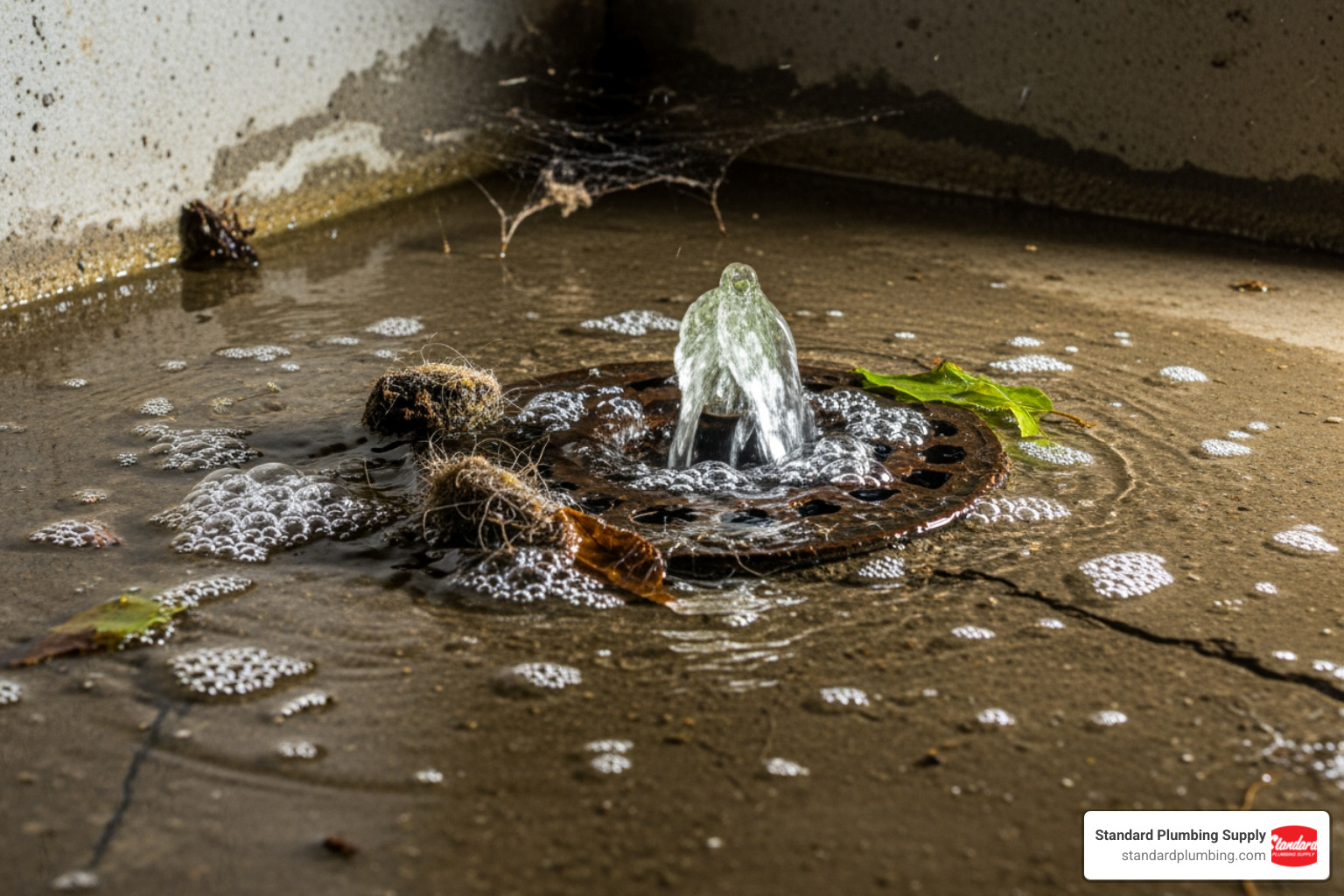
Recognizing the early warning signs of a clogged main sewer line can save you from costly water damage. Here’s how to tell if your main line is the culprit:
- Multiple Slow Drains: If sinks, showers, and toilets throughout your home are draining slowly, the blockage is likely in the main line.
- Gurgling Toilets: Hearing gurgling sounds from your toilet when you use other fixtures suggests trapped air in the drain system due to a clog.
- Foul Odors from Drains: Sewage-like smells mean wastewater isn’t flowing properly and is sitting stagnant in your pipes.
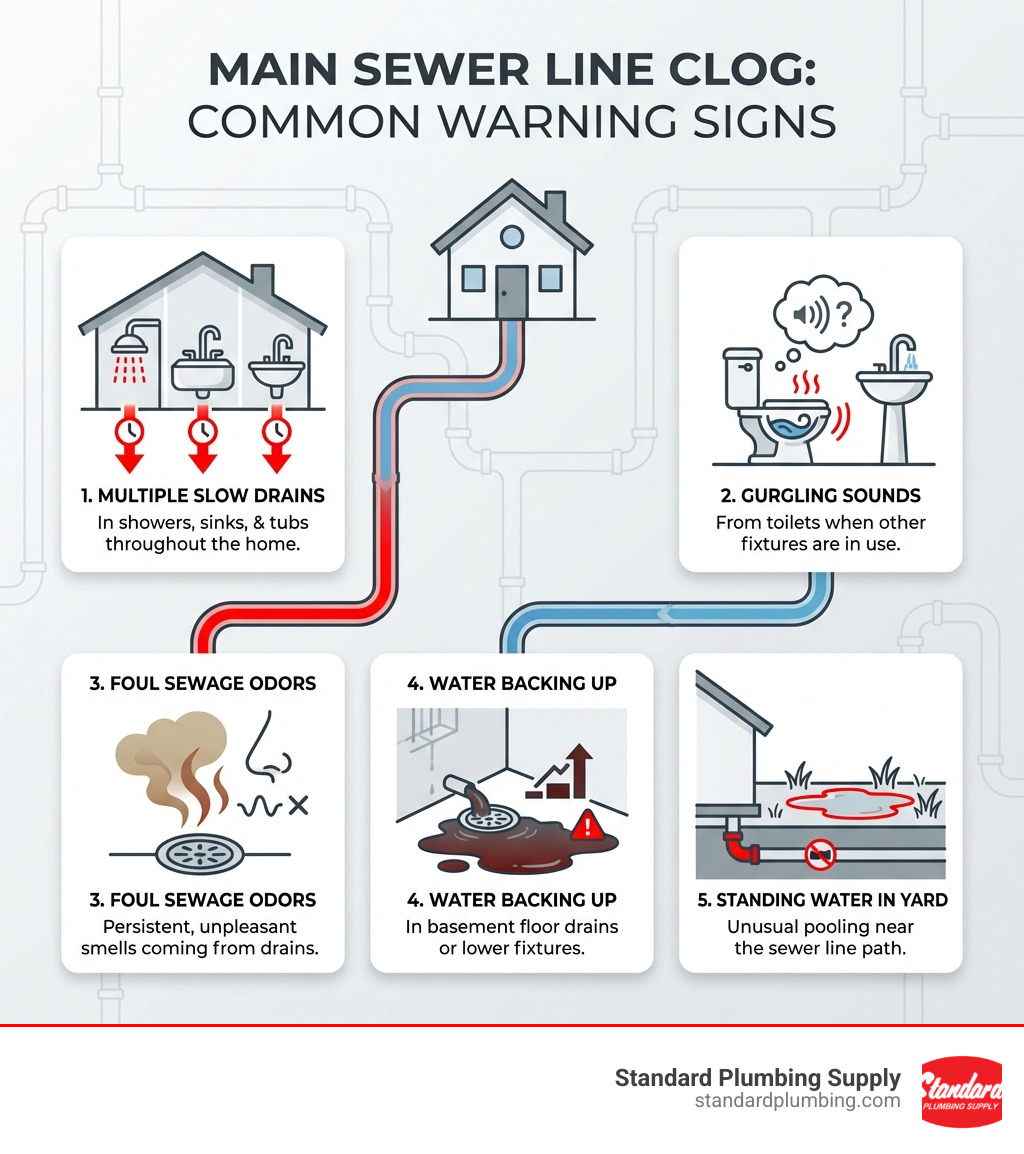
- Water Backup in Low Fixtures: Water backing up in a basement shower or toilet when you use an upstairs appliance is a clear sign of a main line issue.
- Standing Water in the Yard: Puddles or unusually green patches of grass near your sewer line could indicate a leak from a damaged main line.
What causes these blockages? The most common culprits are:
- Grease Blockages: According to the Environmental Protection Agency (EPA), fats, oils, and grease are a major cause of sewer overflows. Cooking grease solidifies in pipes, forming stubborn clogs. Always pour grease into a sealed container for disposal, not down the drain.
- Tree Root Intrusion: Tree roots seek moisture and can invade sewer pipes through tiny cracks, growing into dense masses that trap waste. Tree roots are responsible for about half of all sewer line clogs.
- Non-Flushable Items: So-called “flushable” wipes, paper towels, and feminine hygiene products do not break down like toilet paper and can create severe blockages.
Understanding these signs and causes is the first step in choosing the right home plumber sewer line cleaner.
Choosing Your Solution: A Guide to Sewer Line Cleaners
When faced with a sewer line clog, homeowners have a few options. Choosing the right home plumber sewer line cleaner depends on the clog, your pipes, and your comfort level with DIY.
| Method | Effectiveness | Safety for Pipes | Best Use Cases |
|---|---|---|---|
| Chemical | Fast for minor organic clogs | High risk for older metal and PVC pipes; can cause corrosion/weakening | Last resort for minor, fresh organic clogs in modern, robust pipes; rarely for sewer lines |
| Enzymatic | Gradual breakdown of organic matter; preventative | Very safe for all pipe types, including older plumbing and septic systems | Regular maintenance; slow drains; preventing future clogs; eco-friendly choice |
| Mechanical | Highly effective for various clogs | Generally safe if used correctly; can damage pipes if used improperly | Hair, grease, tree roots, foreign objects; major clogs; DIY or professional use |
For more background on how household wastewater systems work and where clogs typically form, you can review this overview of sewer systems. Understanding the basic layout of your drains and main line will help you choose the right cleaning method and know when to seek professional help.
Chemical Drain Cleaners: The Fast but Risky Option
Chemical drain cleaners offer a quick fix but are risky for your main sewer line. They use powerful reactions to dissolve clogs and come in three main types:
- Caustic Cleaners (Lye): Generate heat to dissolve grease and hair but can weaken metal pipes and PVC joints over time.
- Acidic Cleaners (Sulfuric/Hydrochloric Acid): Extremely corrosive and can damage all types of pipes, posing significant safety risks.
- Oxidizing Cleaners (Bleach/Peroxides): Break down clogs with less heat but can still contribute to pipe deterioration.
Due to the risk of corrosion and damage, especially to older pipes, we generally do not recommend chemical cleaners for a main sewer line.
Enzymatic Drain Cleaners: The Safer, Greener Choice
For a home plumber sewer line cleaner that’s gentle on pipes, enzymatic cleaners are our top recommendation. They use natural bacteria and enzymes to “eat” organic waste like grease, soap, and food particles. This process is gradual but effective for dissolving buildup and preventing future clogs.
Benefits include:
- Non-Corrosive: Safe for all pipe materials (cast iron, PVC, copper).
- Eco-Friendly & Septic Safe: Won’t harm the environment or septic systems.
- Preventative: Ideal for monthly maintenance to keep lines clear.
Enzymatic cleaners are the safest long-term solution for maintaining your plumbing, especially in older homes.
Mechanical Tools: The Plumber’s Go-To
For physically breaking through or retrieving a clog, mechanical tools are the most direct solution. These are the go-to for professionals and capable DIYers.
- Drain Snakes (Plumbing Augers): A flexible cable that you feed into the pipe to break up or pull out a blockage. For main lines, a motorized machine auger (50-100 feet) is necessary. These are more powerful than hand augers and are designed for larger pipes.
- Plungers: The first line of defense for minor clogs in individual fixtures, but less effective for main line blockages.
- Bladder Drain Openers: Connect to a garden hose and use a powerful surge of water to force a clog through. Use with caution on older, fragile pipes.
These tools offer an immediate, physical approach to clog removal and are an indispensable part of any home plumber sewer line cleaner arsenal.
The DIY Guide to Using a Home Plumber Sewer Line Cleaner
Tackling a sewer line clog yourself can save money, but it requires the right tools and a commitment to safety. Proceed with caution and preparation when using a home plumber sewer line cleaner.
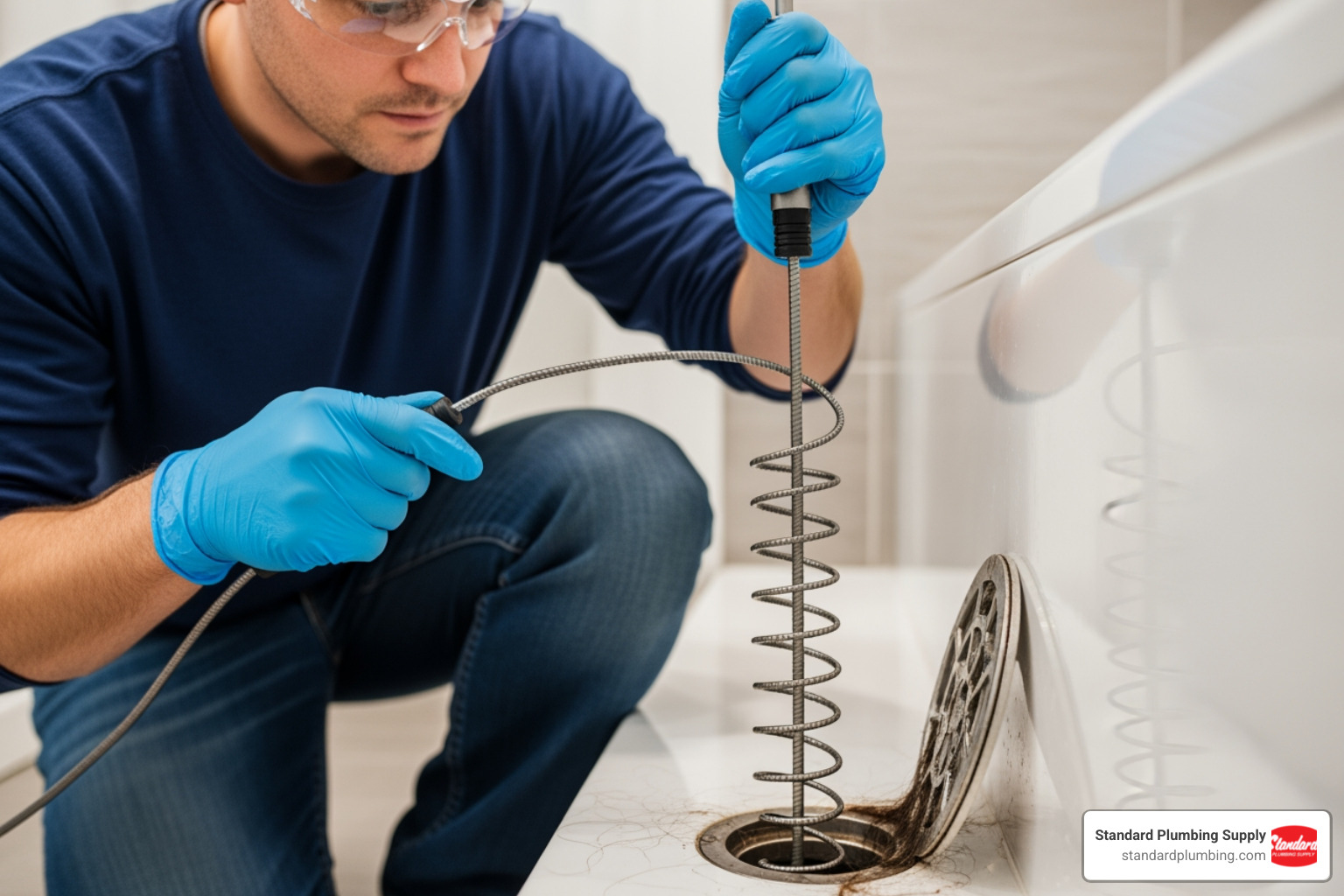
Essential Tools and Safety Precautions
Before you start, gather your supplies and prioritize safety.
Tools You’ll Need:
- Motorized drain snake (auger) with a 50-100 foot cable
- Pipe wrench
- Heavy-duty gloves and safety glasses
- Bucket and tarp to manage spills
- Garden hose for flushing
Safety First:
- Always wear your gloves and safety glasses.
- Be prepared for sewage spillage when opening the cleanout.
- Ensure the area is well-ventilated.
- Never force the auger if it gets stuck, as this can damage your pipes.
Step-by-Step Guide to Snaking a Sewer Line
Follow these steps to use your home plumber sewer line cleaner:
- Locate the Sewer Cleanout: Find the capped access pipe, usually in your basement, crawlspace, or outside near the foundation.
- Open the Cleanout Cap: Slowly unscrew the cap with a pipe wrench. Stand aside and have a bucket ready to catch any backed-up water.
- Insert the Auger Cable: Feed the snake’s cable into the pipe until you feel resistance, which indicates the clog.
- Break Up the Clog: Turn on the auger and slowly work the cable back and forth. The rotating head will dig into the blockage. If you feel it grab something, you may be able to pull the obstruction out.
- Retrieve the Cable: Once you feel the resistance clear, slowly retract the cable, cleaning it as you go.
- Flush and Test: Use a garden hose to flush the line through the cleanout. Then, run water in several fixtures inside to confirm they are draining properly.
- Replace the Cleanout Cap: Securely screw the cap back onto the cleanout.
Maintaining Your Drain Cleaning Tools
Proper care extends the life of your tools. After each use:
- Clean and Dry: Thoroughly clean any debris from the cable and ensure all metal parts are completely dry to prevent rust.
- Lubricate: Apply a light coat of oil to the cable to prevent corrosion.
- Inspect and Store: Check the cable and power tool for damage before storing it in a dry place.
Regular maintenance ensures your tools are ready for the next job.
When to Call a Professional: Advanced Issues and Solutions
While a DIY home plumber sewer line cleaner can resolve many clogs, some situations require a professional. Calling a plumber can prevent extensive damage and higher costs, which can range from $1,000 to $7,000 for major repairs.
Call a professional if:
- The clog persists after multiple DIY attempts.
- You suspect a broken pipe or severe tree root intrusion.
- You have significant sewage backing up into your home or yard.
Professional Methods: Drain Clearing vs. Drain Cleaning
Professionals distinguish between clearing and cleaning a drain:
- Drain Clearing: This involves punching a hole through a clog with an auger to restore flow. It’s a temporary fix.
- Drain Cleaning: This is a comprehensive process that scours the pipe walls to remove all buildup (grease, scale, roots), preventing future clogs.
Professionals use advanced tools for a thorough job:
- Camera Inspections: A waterproof camera is fed into the sewer line to visually inspect the pipe’s interior. This allows for precise diagnosis of the clog’s location, cause, and any pipe damage like cracks or breaks.
- Hydro Jetting: This method uses high-pressure water (up to 35,000 psi) to blast away all debris from the pipe walls, including stubborn grease, scale, and tree roots. It provides a much more thorough cleaning than snaking alone.
Tree Root Intrusion and Removal
Tree roots are a destructive and common cause of sewer line blockages. They enter pipes through small cracks and grow into dense masses. A professional can remove them using specialized cutting augers. For recurring problems, chemical root killers can be used as a preventative measure after the line has been mechanically cleared.
Structural Pipe Problems: Bellied and Collapsed Lines
Sometimes the issue is the pipe itself, not just a clog.
- Bellied Sewer Line: A section of the pipe sags, creating a low spot where waste collects and causes recurring clogs. This problem requires excavation and repair to correct the pipe’s slope; trenchless methods will not fix a belly.
- Collapsed Lines: A section of the pipe has broken down completely, blocking all flow. This is a serious issue caused by root damage, shifting ground, or old age and requires excavation and replacement.
A home plumber sewer line cleaner is ineffective against these structural problems. A professional diagnosis with a camera is essential.
Proactive Plumbing: Preventing Future Sewer Line Clogs
An ounce of prevention is worth a pound of cure. Adopting proactive habits can significantly reduce the likelihood of future clogs and costly repairs.
Here are our top tips for keeping your sewer lines clear:
- Proper Grease Disposal: Never pour cooking oil, grease, or fat down your drains. Pour it into a sealed container and throw it in the trash.
- Use Drain Screens: Install mesh strainers in sinks and tubs to catch hair, food particles, and other debris before they enter your pipes.
- Flush Only Human Waste and Toilet Paper: Avoid flushing “flushable” wipes, paper towels, cotton balls, or feminine hygiene products.
- Regular Enzymatic Cleaner Use: Use an enzymatic drain cleaner monthly to break down organic buildup and prevent clogs from forming.
- Schedule Routine Inspections: For older homes or properties with large trees, consider a professional camera inspection every few years to catch problems early.
- Limit Garbage Disposal Use: Scrape most food scraps into the trash before rinsing plates to avoid overloading the disposal.
Following these measures can help you avoid the headache and expense of a clogged main sewer line.
Frequently Asked Questions about Sewer Line Cleaning
Here are answers to some of the most common inquiries we receive about sewer line cleaning.
Are chemical drain cleaners safe for my old pipes?
No, we do not recommend chemical drain cleaners for older pipes. The harsh acids and caustic agents can corrode metal pipes (cast iron, galvanized steel) and weaken PVC joints, leading to leaks. The heat they generate can also cause damage. Enzymatic cleaners are a much safer, non-corrosive alternative for all plumbing systems, especially older ones.
What’s the difference between a drain snake and hydro jetting?
A drain snake (or auger) is a tool that physically breaks through a clog to restore water flow—this is “drain clearing.” Hydro jetting is a professional method that uses high-pressure water to scour the entire inside of the pipe, removing all built-up grease, scale, and roots. This is a comprehensive “drain cleaning” that provides a longer-lasting solution.
How can I prevent tree roots from clogging my sewer line?
Preventing root clogs involves a few steps:
- Mechanical Removal: Have a professional use a specialized auger to cut out existing roots.
- Chemical Treatments: After clearing the line, use a chemical root killer as a preventative measure to inhibit new growth.
- Pipe Repair: If root intrusion is a recurring problem, a camera inspection can determine if a section of the pipe needs to be repaired or replaced to prevent future entry.
Conclusion
Understanding your home plumber sewer line cleaner options is key to maintaining a healthy home. We’ve covered how to spot the signs of a clog, from slow drains to foul odors, and how to choose the right solution—from safe enzymatic cleaners to powerful mechanical tools. For many clogs, a DIY approach is possible, but it’s crucial to know when to call a professional for advanced issues like root intrusion or collapsed pipes.
Prevention is always your best strategy. Proper grease disposal, drain screens, and regular maintenance can save you from major headaches. At Standard Plumbing Supply, we’re here to equip you with the knowledge and products you need. With stores across Arizona, California, Colorado, Idaho, Nebraska, Nevada, Oregon, Utah, and Wyoming, we can help you find the right solution, like our effective 64oz Hair Clog Remover. Don’t let a clogged sewer line disrupt your life—be prepared and seek expert help when needed.
