
Why Shower Head Replacements Matter for Your Home

Shower head replacements are one of the simplest yet most impactful upgrades you can make to your bathroom. Whether you’re dealing with low water pressure, trying to cut your water bill, or just want a better shower experience, swapping out your old fixture takes only minutes but delivers results you’ll notice every single day.
Quick Answer: What You Need to Know About Shower Head Replacements
- Installation Time: 15-20 minutes for most DIY replacements
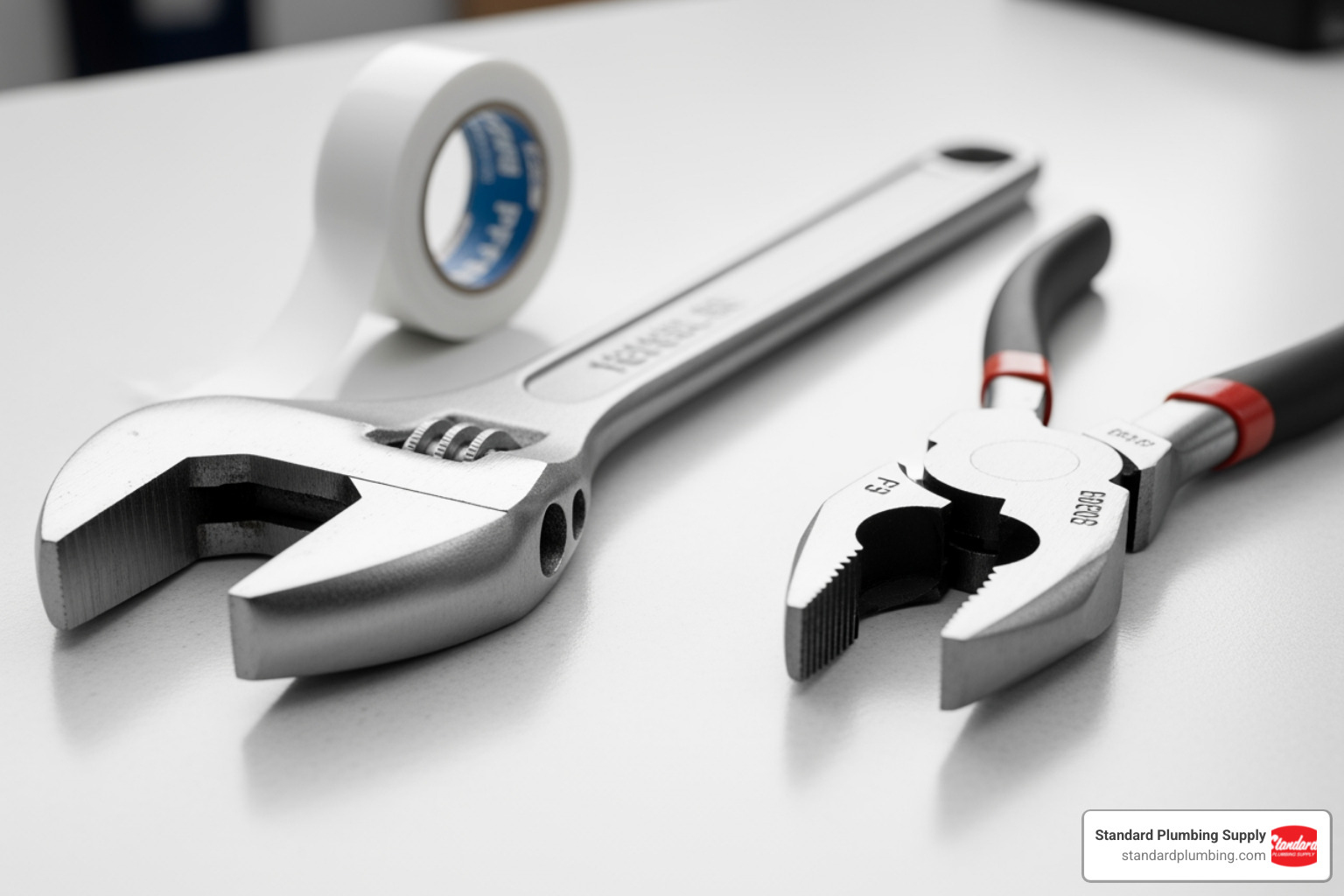
- Tools Required: Adjustable wrench, plumber’s tape, and a soft cloth
- Cost Range: $15-$300 depending on features and materials
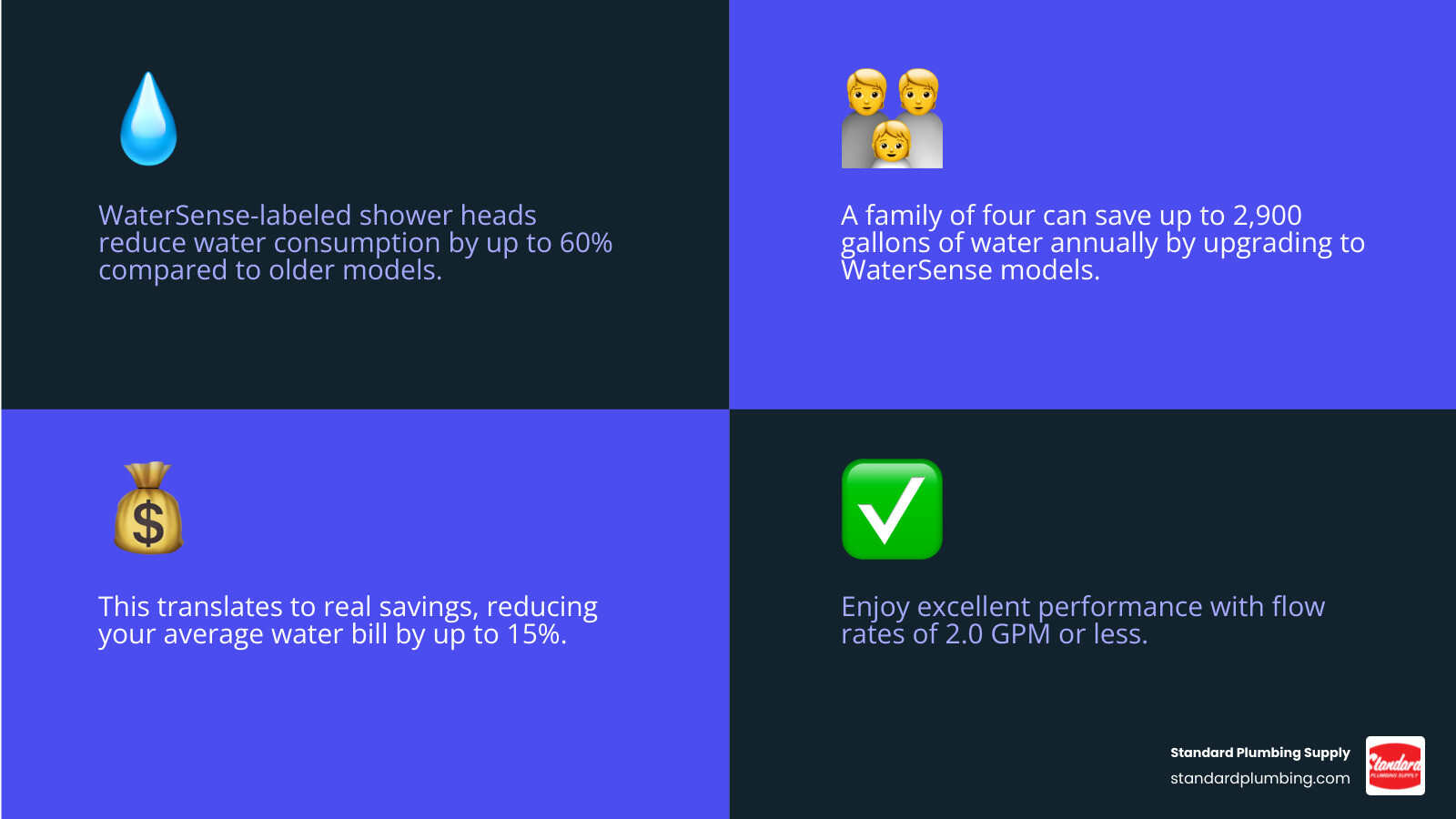
- Water Savings: WaterSense-labeled models can save a family of four up to 2,900 gallons per year
- Universal Fit: Most shower heads use standard 1/2-inch NPT connections
The numbers tell a compelling story. With tens of thousands of shower head options on the market and some models racking up over 50,000 reviews, it’s clear that homeowners are finding what a difference the right shower head makes. A WaterSense-labeled shower head can reduce water consumption by up to 60% compared to older models, which translates to real savings on your utility bills—up to 15% on your average water bill.
Beyond the financial benefits, today’s shower heads offer features our parents never dreamed of: multi-spray patterns, built-in filtration to remove chlorine and hard water minerals, power wash modes for cleaning your tub, and even Bluetooth speakers for the ultimate spa experience at home.
I’m Jacob Reese, Vice President of Standard Plumbing Supply and a third-generation plumbing professional who’s helped thousands of contractors and homeowners steer shower head replacements over the past two decades. In this guide, I’ll walk you through everything you need to know to find your perfect match—from understanding different types and features to installing it yourself with confidence.
Shower head replacements terms to learn:
Why Upgrade? The Big Benefits of a New Shower Head
We all start and end our day in the shower, and the quality of that experience can truly set the tone. If your current shower head is more “drip” than “dream,” it’s time to consider a shower head replacement. The benefits go far beyond just a better spray.
First and foremost, many of us struggle with improved water pressure. An old, clogged, or inefficient shower head can significantly diminish your shower’s power. Modern designs are engineered to deliver a more invigorating spray, even in homes with naturally lower water pressure. This means a more satisfying rinse and a quicker, more efficient shower.
Then there’s the undeniable advantage of water conservation and lower utility bills. Did you know that the average household uses 300 gallons of water per day, with a significant portion dedicated to showering? A leaky shower head alone can waste up to 100 gallons daily! By opting for a water-efficient model, especially one with a WaterSense label, you can drastically reduce your water consumption—up to 60% compared to older models. This isn’t just good for the environment; it translates directly into savings on your water and energy bills. A family of four, for instance, can save an estimated 2,600 to 2,900 gallons of water annually by making this simple switch, potentially reducing their water bill by up to 15%.
Beyond the practical, a new shower head can offer an improved shower experience. With advanced spray patterns like pulsating massage, deep massage, or full coverage, you can customize your shower to suit your mood. Some even offer built-in power wash functions, making it easier to clean your tub, tiles, or even bathe pets.
For those concerned about what’s in their water, filtered shower heads provide healthier skin and hair. These models can reduce chlorine, dirt, and other impurities, which often contribute to dry, itchy skin and dull hair. It’s a simple change that can make a noticeable difference in your personal care routine.
Finally, a shower head replacement is an easy way to achieve an updated bathroom style. With a vast array of designs, finishes (like matte black, brushed nickel, chrome, or champagne bronze), and shapes (round, square, oblong), you can effortlessly match your new fixture to your existing bathroom decor or give your space a fresh, modern look without a full renovation. It’s a small change that yields a big aesthetic impact.
Here’s a quick look at the compelling reasons to upgrade:
- Improved Water Pressure: Say goodbye to weak streams and hello to invigorating sprays.
- Significant Water Savings: Reduce consumption by up to 60% with efficient models.
- Lower Energy Bills: Less hot water used means less energy to heat it.
- Personalized Shower Experience: Choose from various spray patterns for relaxation or invigoration.
- Improved Health & Beauty: Filtered options can lead to softer skin and shinier hair.
- Modern Aesthetic: Instantly update your bathroom’s look with new designs and finishes.
- Increased Convenience: Handheld options and power wash modes simplify cleaning and bathing pets.
- Longer Lifespan: New models are often more durable and less prone to mineral buildup.
Your Ultimate Checklist for Choosing the Right Shower Head
Choosing the perfect shower head can feel a bit like finding a needle in a haystack with tens of thousands of options available! But with a clear understanding of your needs and the features on offer, we can narrow down the choices considerably.
When starting on your shower head replacement journey, consider these factors:
- Water Pressure Needs: Do you live in an area with naturally low water pressure? Or do you prefer a powerful, high-pressure spray? This will heavily influence your GPM (Gallons Per Minute) and specific shower head design choices.
- Showering Habits: Are quick rinses your style, or do you enjoy long, luxurious soaks? Do you need flexibility for washing children or pets, or cleaning the shower itself? Your daily routine should guide your selection.
- Bathroom Layout: Consider the height of your shower arm, the size of your shower stall, and the overall aesthetic you’re aiming for. A large rain shower head might overwhelm a small enclosure, for example.
- Budget Considerations: Shower heads range widely in price, from budget-friendly options around $15-$50 to high-end systems that can cost hundreds or even thousands. Factor in not just the purchase price but also potential installation costs and long-term savings.
Decoding Shower Head Types
Let’s explore the various types of shower heads you’ll encounter during your search:
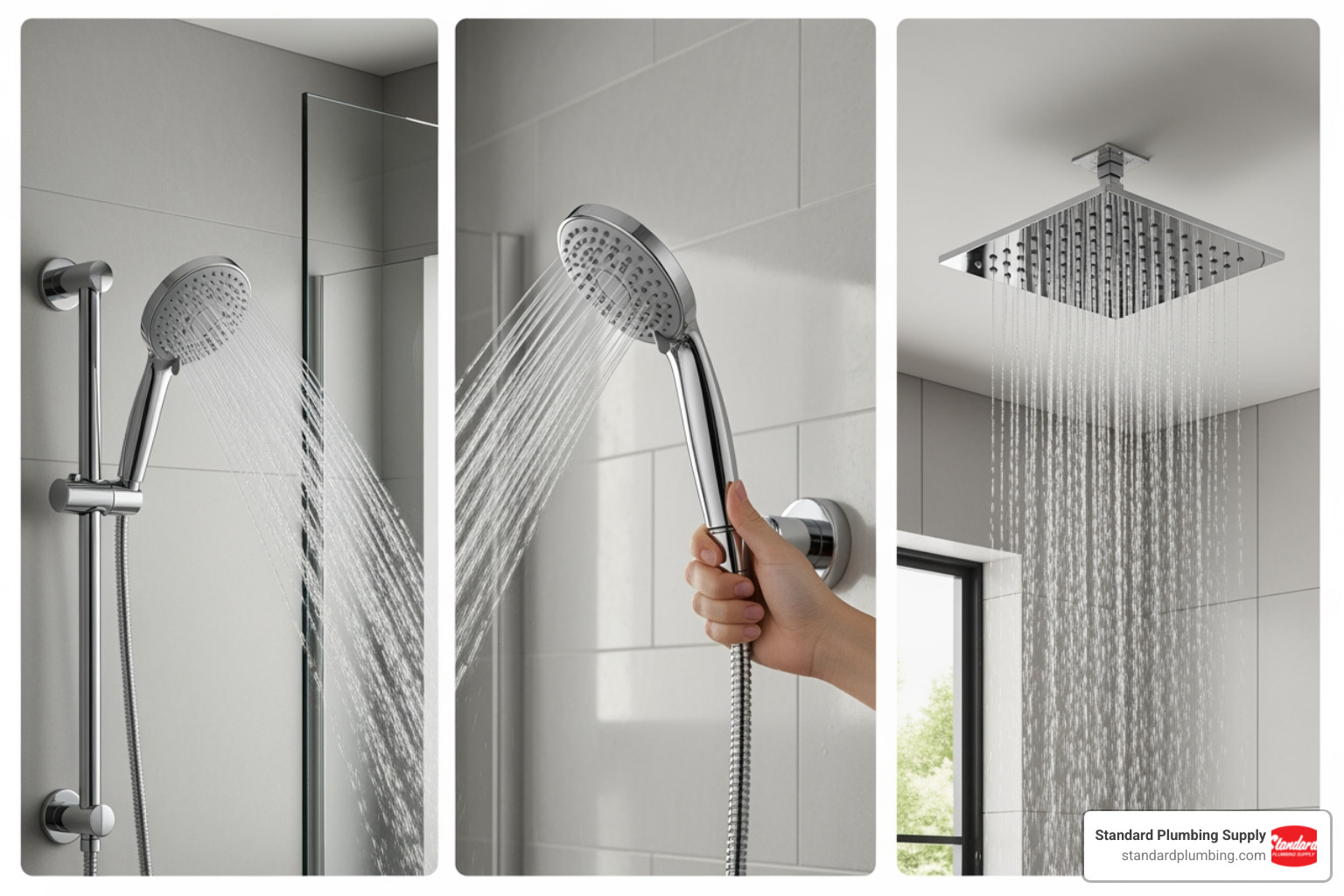
- Fixed Shower Heads (Wall-Mount): These are the most common type, mounted directly to the shower arm extending from your wall. They offer a steady, consistent spray and are ideal for those who prefer simplicity. They can come in various sizes and spray patterns.
- Handheld Shower Heads: Offering maximum flexibility, handheld models come with a hose and a mount, allowing you to direct the water exactly where you need it. They are excellent for rinsing hard-to-reach areas, bathing children or pets, or cleaning the shower. Many popular models are highly rated, with some handheld shower heads boasting tens of thousands of positive reviews.
- Rain Shower Heads: Designed to mimic the gentle, soothing experience of rainfall, these larger heads often mount overhead (either to the wall or ceiling) and provide a wide, soft deluge of water. If you’re craving a spa-like experience at home, a rain shower head is an excellent choice.
- Dual or Combination Shower Heads: Why choose when you can have both? These systems combine a fixed shower head with a handheld unit, often featuring a diverter to switch between the two or use them simultaneously. They offer versatile functionality for any showering preference.
- Filtered Shower Heads: For those in areas with hard water or concerned about chlorine and other impurities, filtered shower heads are a game-changer. They aim to provide softer water, which can lead to healthier skin and hair by reducing dryness and itchiness. Some even feature multi-stage filtration systems.
Key Features and Specifications to Consider
Once you know the type of shower head you’re interested in, it’s time to examine the details:
- GPM (Gallons Per Minute): This specification tells you how much water the shower head uses per minute. Federal regulations limit shower head water flow to 2.5 GPM at 80 PSI (pounds per square inch). However, many water-efficient models, like those labeled WaterSense, are rated at 2.0 GPM or even 1.75 GPM. These lower GPM rates are designed to save water without sacrificing performance. For example, Kohler offers many shower heads at 1.75 GPM, and Delta Faucet features a 1.75 GPM flow rate on its 10-inch Raincan Shower Head and Hand Held Shower Combo. Choosing a lower GPM can significantly contribute to water savings, as highlighted by the Office of Energy Efficiency and Renewable Energy in their Best Management Practice #7: Faucets and Showerheads.
- WaterSense Certification: Look for shower heads with the WaterSense label. These models are independently certified to use at least 20% less water than standard models while performing as well as or better than conventional products. This certification is a reliable indicator of both efficiency and satisfaction. Our locations across Arizona, California, Colorado, Idaho, Nebraska, Nevada, Oregon, Utah, and Wyoming carry a wide range of WaterSense-certified options to help you conserve water.
- Spray Patterns: Modern shower heads offer a variety of spray patterns to customize your experience. Common options include:
- Full Coverage: A consistent, broad spray for everyday rinsing.
- Deep Massage: More focused, powerful streams for muscle relaxation.
- Pulsating Massage: Rhythmic bursts of water for a stimulating experience.
- Targeted Massage: Even more concentrated streams for specific areas.
- Many shower heads offer multiple modes, allowing you to switch between them with a simple dial or button.
- Material and Finish: The material and finish not only affect the look of your shower head but also its durability and maintenance.
- Metal vs. Plastic: While plastic shower heads are often more affordable, metal options (like brass or stainless steel) tend to be more durable, less prone to bacterial growth, and longer-lasting.
- Durability: Consider the overall construction. Products with high customer satisfaction often feature robust materials.
- Finish: Popular finishes include polished chrome, brushed nickel, matte black, and champagne bronze. Choose a finish that complements your existing bathroom fixtures. A cohesive look can lift your entire bathroom.
- Technology: Some shower heads come with advanced technology, such as air induction (which infuses air into the water droplets for a fuller, warmer spray), magnetic docking systems for handhelds, or even built-in Bluetooth speakers.
Finding the Right Shower Head Replacements for Your Budget
When it comes to shower head replacements, the price tag can vary wildly. Understanding what you get for your money, and where you can save, is key to making a smart purchase.
- Typical Price Ranges: For a basic, functional fixed shower head, you might spend anywhere from $15 to $50. Moving up, mid-range options with multiple spray settings, better materials, or a handheld component usually fall between $50 and $150. High-end or luxury models, including those with advanced features like filtration, smart technology, or intricate designs, can range from $150 to $300, and some premium systems can even go upwards of $2,600. Many highly-rated shower heads are available in the $30-$60 range, proving that quality doesn’t always break the bank.
- Installation Costs: This is where DIY savings truly shine. The estimated cost for professional shower head installation is typically $50 to $100 for labor, in addition to the cost of the shower head itself. Since most shower head replacements are straightforward, doing it yourself can save you this labor fee, bringing your total cost for a new shower head and supplies down to around $75 for a DIY project.
- Long-Term Value: Don’t just look at the upfront cost. Consider the long-term value. A water-efficient shower head, while potentially a slightly higher initial investment, will save you money on your water and energy bills year after year. A durable metal shower head might cost more than a plastic one, but its extended lifespan means you won’t need to replace it as frequently. Investing a little more upfront can lead to significant savings and satisfaction over time.
A Simple Guide to DIY Shower Head Replacements
Good news for the DIY enthusiast! Replacing a shower head is one of the easiest plumbing projects you can tackle yourself. It typically takes less than 20 minutes and doesn’t require specialized plumbing skills. Think of it as a quick and satisfying win for your home.
Step-by-Step Installation for Your Shower Head Replacement
Before you start, gather your tools and new shower head. Here’s what you’ll need:
- New shower head (and any included parts like hoses or mounts)
- Adjustable wrench or pliers (a strap wrench is ideal to prevent scratches)
- Soft cloth or rag (to protect finishes)
- Plumber’s tape (also known as PTFE tape or thread seal tape)
- Old toothbrush or small wire brush (for cleaning threads)
- Paper clip (optional, for removing old tape)
- Vinegar and water mix (optional, for stubborn mineral deposits)
Now, let’s get that new shower head installed:
- Prepare Your Space: Place a towel or drop cloth over your shower floor or tub to protect it from scratches and cover the drain to prevent small parts from falling in.
- Turn Off the Water (to the Shower): You typically don’t need to shut off the main water supply to your entire home. Simply turn off the hot and cold water handles for your shower. This prevents any unexpected sprays during the process.
- Remove the Old Shower Head: Grip the old shower head firmly. Most can be unscrewed by turning the connection nut counterclockwise by hand. If it’s stuck or too tight, use your adjustable wrench or pliers. Place a soft cloth between the wrench and the shower head’s connection nut to prevent scratching the finish. Hold the shower arm steady with your other hand to avoid damaging the pipes in the wall.
- Clean Shower Arm Threads: Once the old head is off, inspect the threads on the shower arm (the pipe sticking out of the wall). Remove any old plumber’s tape, residue, or mineral deposits. An old toothbrush or a small wire brush works well for this. For tough mineral buildup, a 50/50 mix of vinegar and water can help dissolve it. Clean threads are crucial for a tight, leak-free seal.
- Apply Plumber’s Tape: Take your plumber’s tape and wrap it tightly around the shower arm threads in a clockwise direction. This is important so the tape doesn’t solve when you screw on the new shower head. We recommend 4-6 wraps, pressing the tape firmly into the threads.
- Install the New Shower Head:
- If your new shower head came with a rubber washer or gasket, ensure it’s properly seated inside the connection nut.
- Carefully thread the new shower head onto the shower arm, turning it clockwise. Start by hand-tightening it as much as you can. This helps ensure you don’t cross-thread it.
- Once hand-tight, give it an additional quarter turn with your adjustable wrench or pliers, again using a soft cloth to protect the finish. Do not overtighten, as this can damage the threads or crack the connection nut, potentially causing leaks.
- For handheld or combination shower heads, follow the specific instructions for attaching the mount, hose, and the handheld unit. Usually, the mount attaches to the shower arm first, then the hose to the mount and the handheld.
- Check for Leaks: Turn the shower water back on. Let it run for a minute or two and carefully inspect the connection point for any drips or leaks. If you see a leak, turn off the water, and try tightening the connection by another small quarter turn. If the leak persists, you might need to unscrew the shower head, remove the old tape, apply a fresh layer of plumber’s tape (perhaps a few more wraps), and reinstall.
With these step-by-step tips and best practices, your shower head replacement will be a breeze!
Boosting Performance: Tips for Low Water Pressure
Dealing with low water pressure can be frustrating. If even your new shower head isn’t delivering the desired oomph, here are a few things we recommend checking:
- Choose High-Pressure Models: Some shower heads are specifically designed to amplify water pressure, even in low-flow situations. These often use internal mechanisms to constrict the water flow at certain points, increasing its velocity as it exits the nozzles.
- Clean Sediment Buildup: Over time, mineral deposits can clog the nozzles of your shower head, restricting water flow. Regularly cleaning your shower head (as discussed in the next section) can significantly improve performance.
- Check for a Flow Restrictor: Many modern shower heads come with a flow restrictor (a small plastic or rubber disc) inside the connection to limit water usage. While these are great for water conservation, in homes with already low water pressure, they can sometimes be removed to improve flow. However, be aware that removing it might negate any WaterSense certification and could be against local water efficiency regulations in some areas across Arizona, California, Colorado, Idaho, Nebraska, Nevada, Oregon, Utah, or Wyoming. Always check local codes.
- Ensure a Clean Connection: Just like during installation, make sure there’s no debris or old plumber’s tape obstructing the water flow at the connection point between the shower arm and the shower head.
Keeping Your New Shower Head in Top Condition
To ensure your new shower head provides years of optimal performance and stays sparkling clean, regular maintenance is key.
- Regular Cleaning: We recommend cleaning your shower head monthly. This prevents the buildup of mineral deposits and soap scum that can clog nozzles and reduce water pressure.
- Vinegar Soak: For mineral deposits, a simple vinegar soak works wonders. You can fill a plastic bag with white vinegar, secure it around the shower head (making sure the head is submerged in the vinegar), and leave it overnight. In the morning, remove the bag, scrub with an old toothbrush, and rinse thoroughly. This helps keep those nozzles clear and flowing freely.
- Removing Mineral Deposits: Many modern shower heads feature rubber nozzles that you can simply rub with your finger or a cloth to dislodge mineral buildup.
- Preventing Mold and Mildew: Regularly wiping down your shower head after use can prevent mold and mildew growth. As we mentioned, metal shower heads tend to be less prone to bacterial growth than plastic ones.
- Extending Lifespan: A shower head’s lifespan can range from six months to 15 years, largely depending on how well it’s maintained. Consistent cleaning and addressing minor issues promptly can significantly extend its life and keep it performing like new.
Frequently Asked Questions
We hear a lot of questions about shower head replacements from our customers. Here are some of the most common ones:
Do all shower heads fit all showers?
For the most part, yes! Just about all shower heads have a standard 1/2-inch NPT (National Pipe Tapered) connection. This makes them universally fitting, meaning you can swap out almost any old shower head for a new one without worrying about compatibility issues with the shower arm. However, there are rare exceptions for some highly specialized or custom shower systems. If you have a very unusual setup or are unsure, it’s always best to check the manufacturer’s specifications or consult with one of our experts at Standard Plumbing Supply.
Do I need to shut off the main water supply to change a shower head?
No, you typically do not need to shut off the main water supply to your entire house just to change a shower head. This is one of the reasons it’s such an easy DIY project! All you need to do is turn off the hot and cold water faucet handles for the shower you’re working on. This will prevent any water from spraying out while you’re unscrewing the old head and installing the new one.
How often should you replace a shower head?
The lifespan of a shower head can vary significantly, from as short as six months to as long as 15 years, depending on factors like water quality, material, and maintenance. However, there are clear signs that it’s time for a shower head replacement:
- Reduced Performance: If your shower spray is weak, inconsistent, or has noticeably less pressure, it’s a strong indicator.
- Mineral Buildup: Visible white or green crusty deposits (limescale) on the nozzles that are difficult to clean can impede flow and harbor bacteria.
- Leaks or Cracks: Any drips from the shower head itself when the water is off, or visible cracks in the housing, mean it’s time for a new one.
- Black Mold: If you notice black mold growing inside the shower head or on the nozzles, it’s not only unsightly but also a health concern, especially as bacteria tend to survive and grow better on plastic showerheads.
- Rust or Discoloration: Rust or significant discoloration can indicate internal corrosion and an aging fixture.
If you’re experiencing any of these issues, a timely shower head replacement can restore your shower’s performance and improve hygiene.
Conclusion: Your Perfect Shower Awaits
Upgrading your shower head is a simple yet profoundly rewarding home improvement project. From saving thousands of gallons of water and reducing your utility bills to changing your daily routine into a spa-like escape, the benefits of a new shower head are clear. We’ve walked through the diverse types, essential features, budget considerations, and even the straightforward DIY installation process, showing you how easy it is to go from a “drip” to a “dream” shower.
Whether you’re looking for improved water pressure, water conservation, healthier skin, or just a fresh new look for your bathroom, the perfect shower head replacement is within reach. We empower you to tackle this DIY project with confidence, knowing you’re making a smart investment in your home and your comfort.
For all your plumbing needs, including a wide selection of shower heads and expert advice, we’re here to help. Find an expert at one of our many locations across Arizona, California, Colorado, Idaho, Nebraska, Nevada, Oregon, Utah, and Wyoming.
