
Understanding the Adjustable Shower Rod: Types and Mechanisms
When you are standing in the plumbing aisle or browsing our online catalog, the sheer variety of an adjustable shower rod can be surprising. At its core, an adjustable shower rod is a telescoping pole designed to expand or contract to fit the specific width of your shower opening. However, how that rod stays in place depends on its mounting mechanism.
Research shows that the tension mount type is the king of the castle, accounting for 58% of popular shower curtain rod choices among customers. The remaining 42% of customers opt for a fixed mount. Here is the breakdown of how these mechanisms actually work:
- Spring Tension: This is the most common “no-drill” variety. Inside the rod is a heavy-duty spring. You compress the spring by pushing the ends of the rod together, position it between your walls, and let go. The spring wants to expand, creating the friction necessary to hold the rod up.
- Twist-and-Fit (Camlock): These rods use a internal locking nut. You pull the rod out to the desired length, then twist the two sections in opposite directions. This expands an internal “cam” that locks the rod at that specific length, providing a very rigid fit.
- Screw Tension: Often found in heavy-duty models, these use a threaded internal mechanism. As you rotate the rod, it slowly unscrews and lengthens, allowing you to apply significant pressure against the walls.
- Fixed Mount: These are the permanent residents of the bathroom. They require drilling into the wall or tile to install brackets. While they take more effort to install, they offer the highest weight capacity and zero risk of slipping.
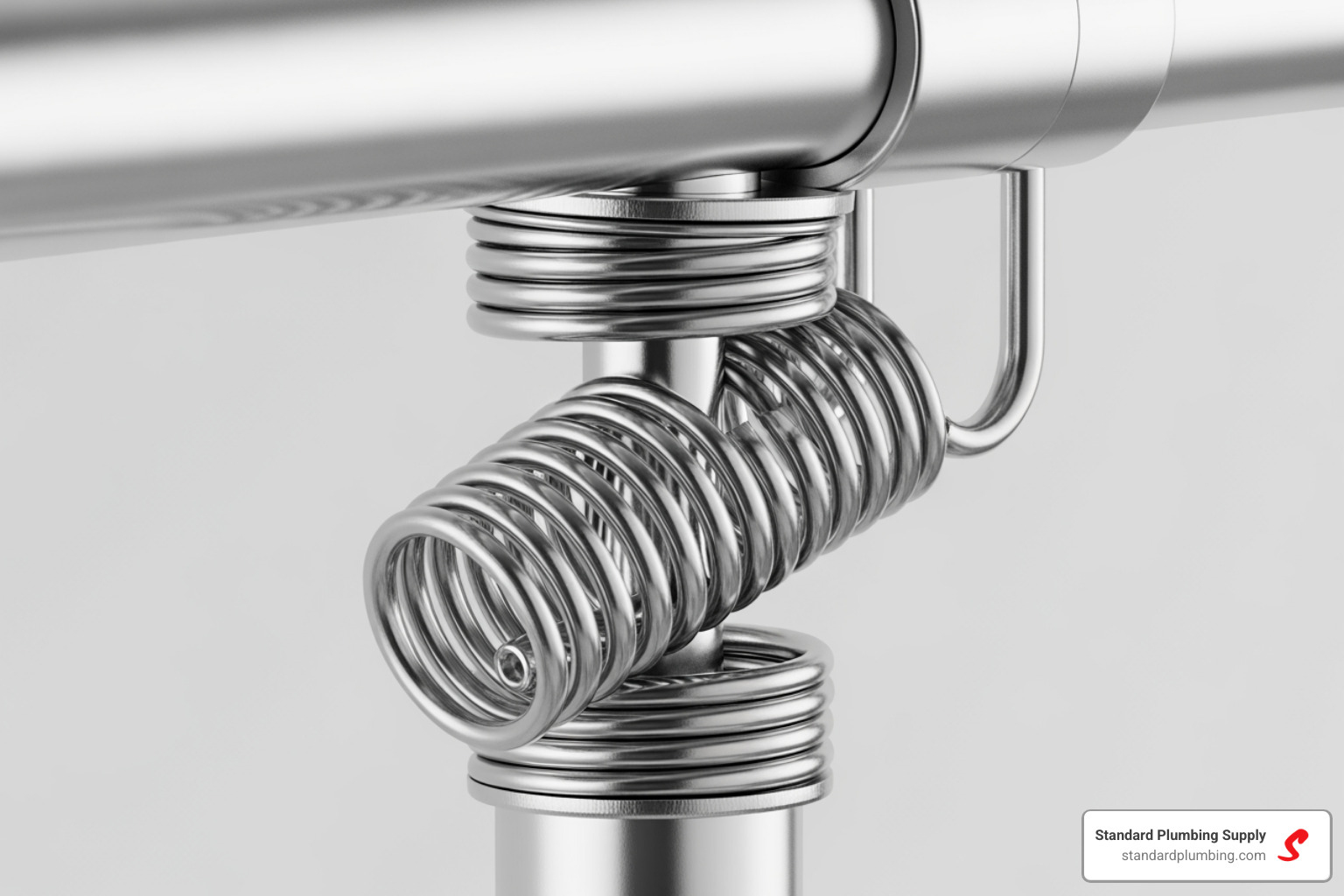
Comparing Tension vs. Fixed Mount Adjustable Shower Rods
| Feature | Tension Mount | Fixed Mount |
|---|---|---|
| Installation | Tool-free, no drilling | Requires drill, screws, and anchors |
| Wall Damage | None (ideal for rentals) | Permanent holes in drywall or tile |
| Stability | Good, but can slip if overloaded | Maximum stability; won’t fall |
| Flexibility | Can be moved or adjusted easily | Permanent placement |
| Best For | Tiled walls, renters, quick DIY | Heavy curtains, families with kids |
Measuring for Your Adjustable Shower Rod
Before you head to one of our Standard Plumbing Supply locations, you need to know your numbers. While 75% of customers look for the “adjustable width” feature, you still need to buy the right “bracket” of size.
- Standard Showers: Most bathtubs and showers are 60 inches wide. A standard adjustable shower rod typically covers a range from 42 to 72 inches.
- Stall Showers: For smaller walk-in stalls, look for rods in the 27 to 40-inch range.
- Oversized or Corner Units: If you have a large garden tub or a non-standard layout, some heavy-duty rods can extend up to 84 or even 90 inches.
Selecting Durable Materials and Popular Finishes
A bathroom is a brutal environment for metal. Between the steam from your morning shower and the literal splashing of water, a cheap rod will start showing “tea staining” or rust spots within months. To avoid this, we recommend focusing on high-quality materials.
Stainless steel is the gold standard for an adjustable shower rod. It is naturally corrosion-resistant and provides the structural integrity needed to prevent sagging. Aluminum is another excellent choice; it is lightweight, 100% rust-proof, and often made from recycled materials (some brands use up to 70% recycled aluminum).
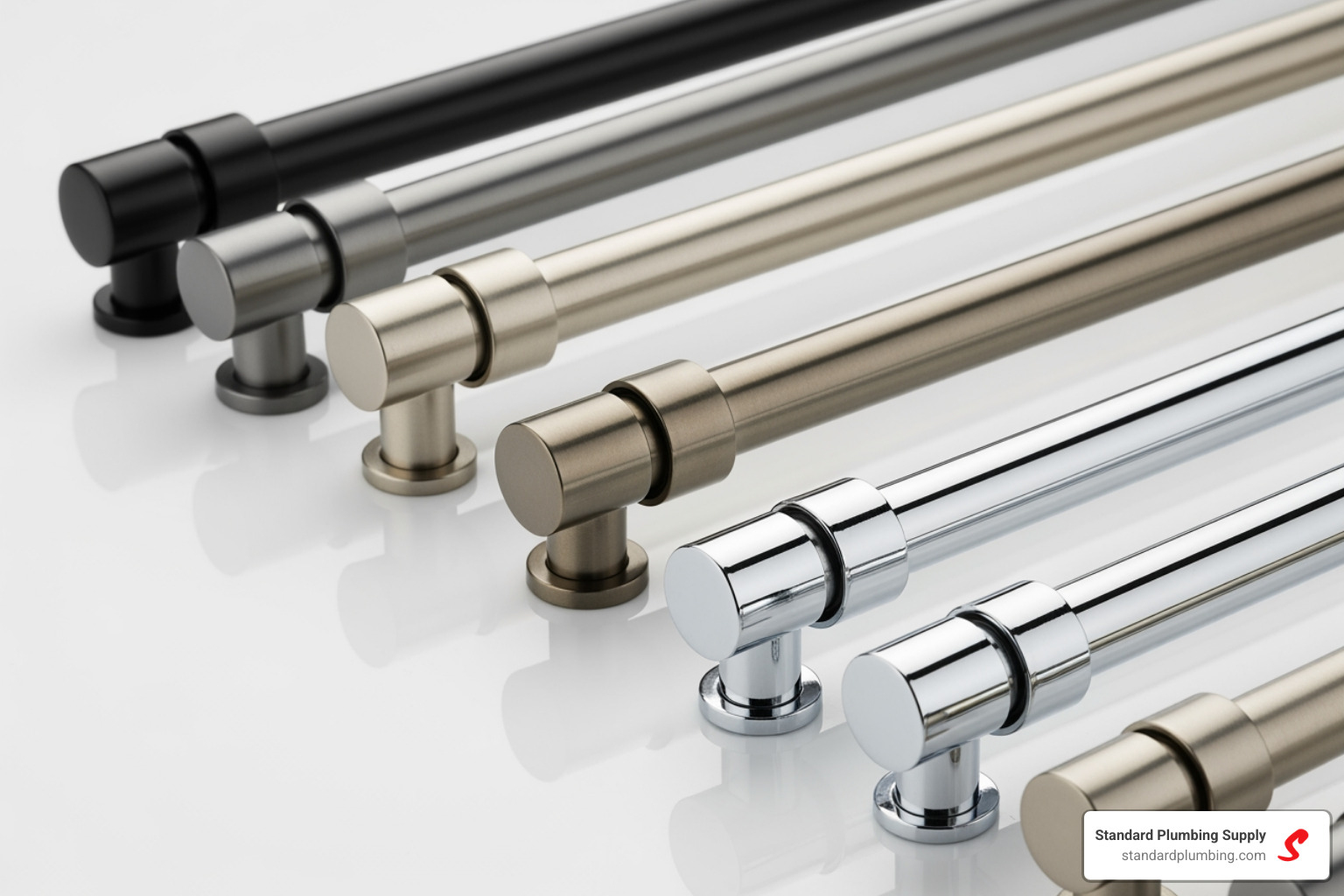
When it comes to style, the finish you choose should complement your faucets and cabinet hardware. Based on current market trends:
- Matte Black (18% interest): Currently the most searched finish. It provides a modern, high-contrast look that hides water spots well.
- Brushed Nickel (13% interest): A classic choice that offers a warm, soft glow and matches most contemporary bathroom fixtures.
- Chrome (9% interest): The traditional choice. It’s highly reflective and budget-friendly, though it does require more frequent wiping to stay spot-free.
No matter the finish, look for “powder-coated” or “electroplated” options, as these provide an extra layer of protection against the humid bathroom air.
Step-by-Step Installation and Setup
One of the biggest draws of a modern adjustable shower rod is the “no-drill” installation. You don’t need to be a master plumber to get a professional result.
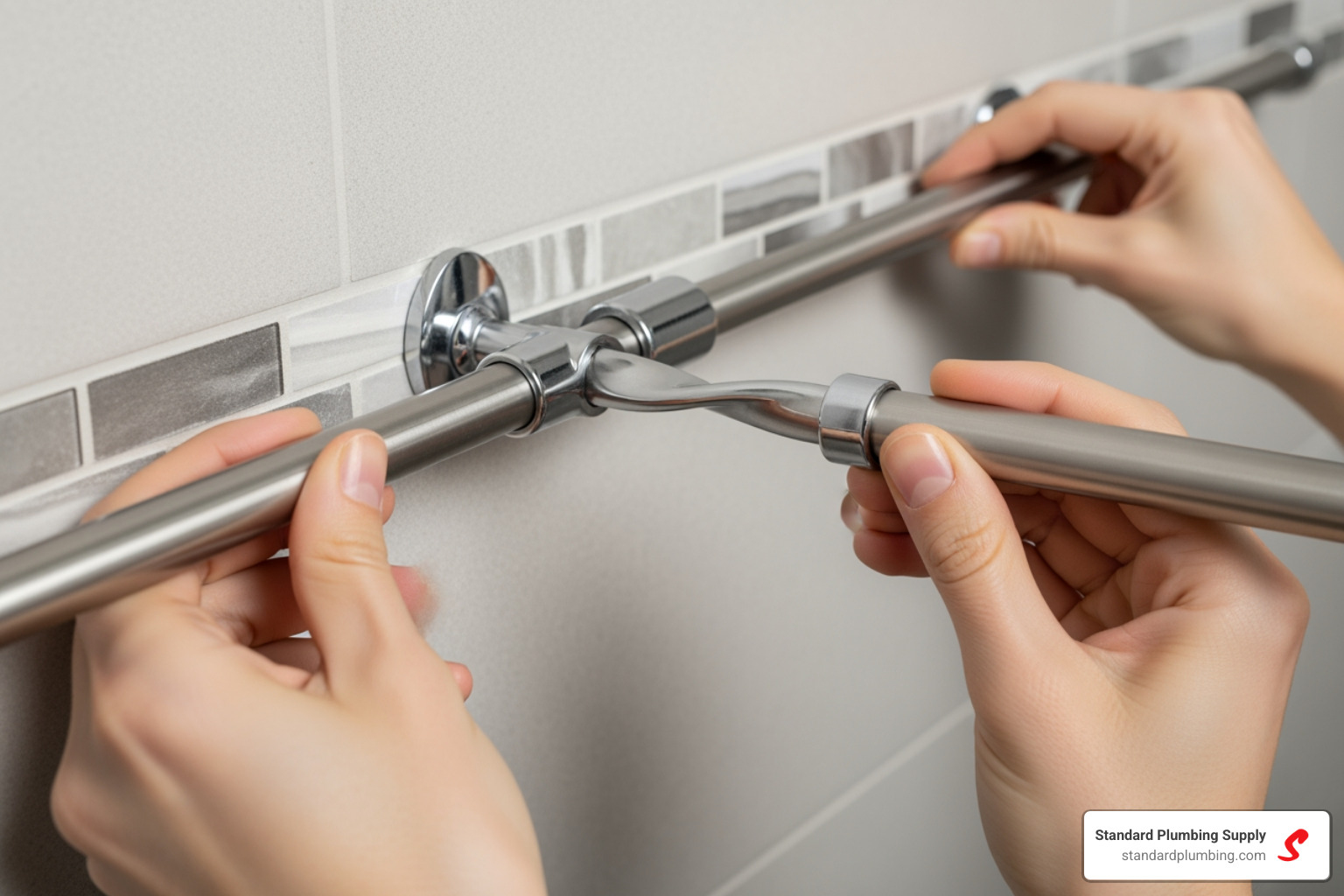
How to Install a Tension Rod
- Clean the Walls: Use a damp cloth to wipe the areas where the rod’s end caps will touch. Soap scum or dust is the primary cause of rods slipping.
- Adjust the Length: For most “Twist and Fit” rods, extend the rod until it is about 1 to 2 inches longer than the actual opening of your shower.
- Position and Compress: Place one end against the wall at your desired height. Compress the spring or use the “camlock” mechanism to fit the other end into place.
- Level It Out: Use a level (or a smartphone leveling app) to ensure the rod is perfectly horizontal. A slanted rod is much more likely to fall.
- Final Tighten: If your rod uses a screw-tension mechanism, give it a final few twists to ensure it is snug.
For fixed-mount curved rods, the process is slightly different. Many Moen models feature 180-degree pivoting flanges. These are lifesavers if your walls are slightly uneven or not perfectly square, as the flanges can “pivot” to flush against the wall before you screw them in. For a visual guide on the tension method, you can watch this How To Install An Adjustable Tension Shower Rod tutorial.
Benefits of a Curved Design
If you feel like your shower curtain is constantly attacking you while you’re trying to wash your hair, you need a curved adjustable shower rod. Curved rods are currently the most popular shape, capturing 51% of customer searches.
The primary benefit is elbow room. A curved rod bows outward, typically providing up to 7.5 inches of extra space inside the shower. This mimics the “luxury hotel” feel and keeps the wet curtain from sticking to your skin.
We carry options like the Moen curved shower rods chrome 5′ curved shower rod which combine the space-saving benefits of a curve with the flexibility of an adjustable length (usually 54 to 72 inches).
Another pro tip: Consider a double shower rod. These allow you to hang a decorative curtain on the outer rod and a functional liner on the inner rod, or use the second rod to hang wet towels or washcloths to dry.
Weight Capacity of an Adjustable Shower Rod
How much can an adjustable shower rod actually hold? Most high-quality tension rods are rated for 10 to 30 pounds. This is more than enough for a standard curtain and liner, but it might struggle if you’re hanging heavy wet laundry or if a child decides to use the curtain as a swing.
To maximize weight capacity, look for:
- Non-slip end caps: Often made of thermoplastic elastomer (TPE), these “grip” the wall without scratching.
- Large Diameter: A 1-inch diameter rod is standard and offers better rigidity than thinner 3/4-inch versions.
- Ring Locks: Some rods include features that lock the curtain rings at the ends, preventing drafts and keeping the weight evenly distributed.
Maintenance and Troubleshooting
Even the best adjustable shower rod requires a little TLC to stay functional and rust-free.
Cleaning: Avoid abrasive cleaners that can scratch the finish. Instead, wipe the rod down once a month with a damp cloth and a mild cleaner (like dish soap). If you encounter stubborn sticker residue on a new rod, use a little rubbing alcohol or a dedicated adhesive remover.
Stopping the Slip: If your tension rod keeps falling, it’s usually due to one of three things:
- Surface Residue: Clean the wall and the rubber end caps with rubbing alcohol to restore the “grip.”
- Under-Tensioning: Ensure you have extended the rod 1-2 inches past the wall width before compressing it into place.
- Wall Type: Tension rods work best on flat, hard surfaces like tile or smooth drywall. If you have highly textured walls, a fixed-mount rod may be your only reliable option.
Frequently Asked Questions about Adjustable Shower Rods
How do I stop my tension rod from falling?
The secret is “over-extending.” If you are using a spring-loaded rod, pull it out so it is slightly wider than the shower opening (about an inch or two). Then, compress the spring to fit it into the space. The internal pressure is what keeps it up. Also, ensure the wall is free of soap film or moisture before installing.
Can adjustable rods be used on tiled walls?
Absolutely. In fact, tension-style adjustable shower rods are the preferred choice for tile because they don’t require you to drill through the ceramic or porcelain, which can be difficult and risks cracking the tile. Just ensure the rubber end caps are clean for maximum friction.
What is the best material for a rust-proof shower rod?
Stainless steel and aluminum are the top contenders. While many steel rods are labeled “rust-resistant,” stainless steel is inherently non-corrosive throughout the metal. Aluminum is also a fantastic choice for high-moisture environments as it will never rust.
Conclusion
Upgrading to a high-quality adjustable shower rod is one of the easiest and most affordable ways to improve your daily bathroom experience. Whether you want the extra space of a curved design or the simplicity of a no-drill tension mount, choosing the right material and finish will ensure your rod stays secure and looking great for years to come.
At Standard Plumbing Supply, we’ve been helping folks in Utah, Idaho, Arizona, and across the West find the right parts for their homes since 1952. If you’re not sure which rod fits your specific tub or shower stall, stop by any of our locations — from Salt Lake City to Boise to Riverside — and talk to our experts.
Ready to upgrade your bathroom? Shop all bathroom accessories at Standard Plumbing Supply today or use our store locator to find a branch near you.
