
Why a Home Drain Cleaner Should Be Your First Line of Defense

A home drain cleaner can save you time, money, and frustration when dealing with slow or clogged drains. Here’s what you need to know:
Quick Solutions for Common Drain Clogs:
- Baking Soda & Vinegar Method – Pour 1/2 cup baking soda, then 1/2 cup white vinegar down the drain. Cover for 10-15 minutes, then flush with boiling water.
- Hot Water & Dish Soap – Pour boiling water followed by liquid dish soap. Wait an hour, then flush with more boiling water.
- Salt & Baking Soda Mix – Combine 1/2 cup each of salt and baking soda. Pour down drain, wait 30 minutes, then flush with boiling water.
There’s nothing quite like realizing the water level has crept up to your ankles halfway through your shower. That moment of panic when you’re standing in murky water, watching it drain slower than molasses, is something every homeowner dreads.
The good news? Most drain clogs don’t require harsh chemicals or an emergency plumber call. With simple ingredients you already have in your kitchen, you can tackle the majority of household drain problems safely and effectively.
Homemade drain cleaners offer several advantages over their commercial counterparts. They’re gentler on your pipes, safer for your family and pets, better for the environment, and significantly cheaper. A bottle of commercial drain cleaner can cost $10-15, while the baking soda and vinegar in your pantry costs pennies per use.
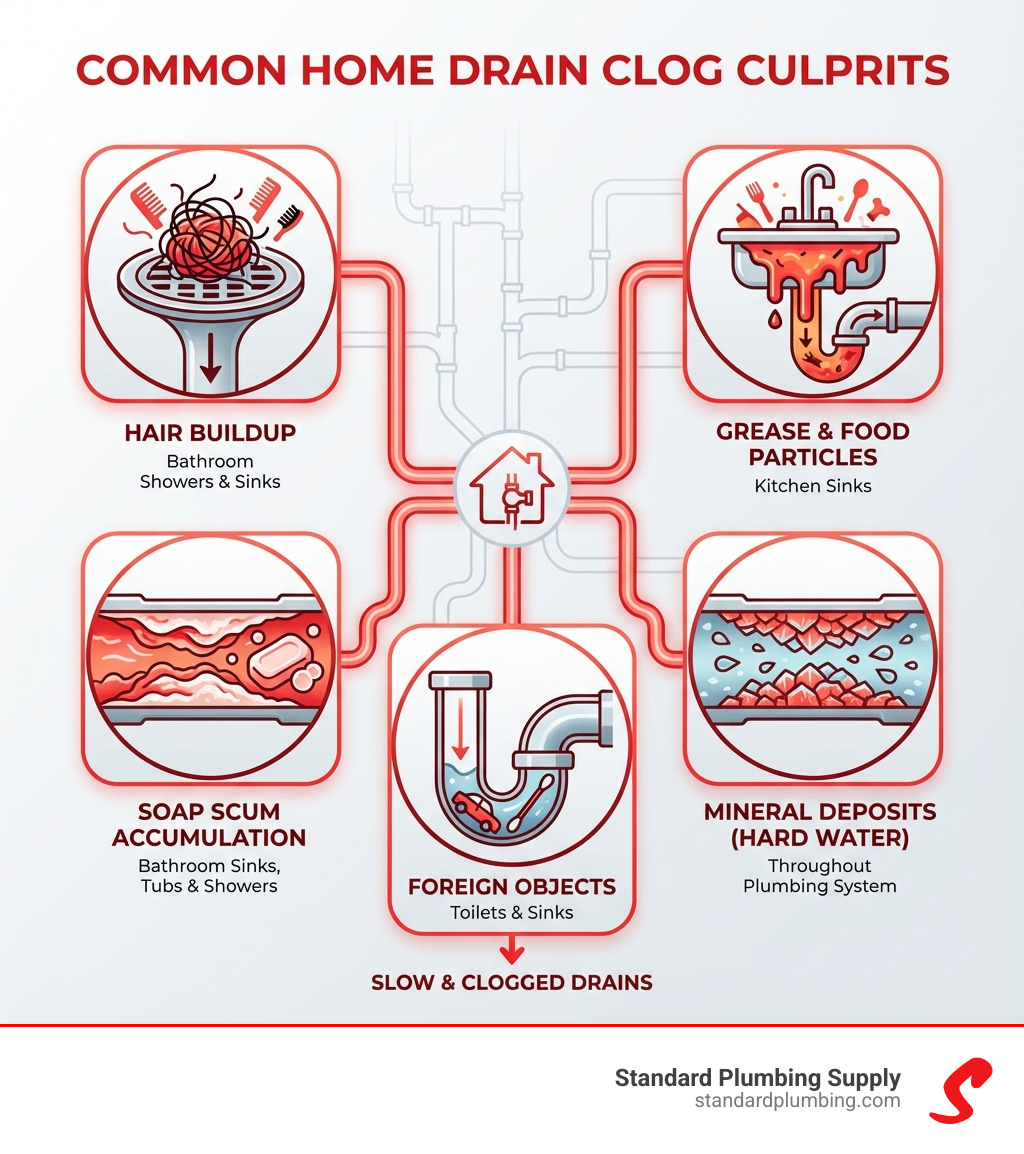
The most common culprits behind clogged drains are predictable: hair combines with soap scum in bathroom sinks and showers, grease solidifies in kitchen drains, and food particles accumulate over time. Understanding what’s blocking your pipes helps you choose the right cleaning method.
I’m Jacob Reese, Vice President of Standard Plumbing Supply, and I’ve spent my entire life in the plumbing industry, starting at age eight sweeping warehouses and learning about everything from home drain cleaner solutions to complex plumbing systems. Through decades of experience serving contractors and homeowners across the Western United States, I’ve seen which drain cleaning methods actually work and which are just marketing hype.
Understanding Drain Clogs and Cleaner Types
Before we dive into the “how-to” of clearing clogs, let’s understand the “why.” What exactly is causing that frustrating slowdown in your plumbing system, and why might a homemade solution be your best first step?
The primary culprits behind most household clogs are a familiar cast of characters:
- Hair clogs: Especially prevalent in bathroom sinks and shower drains, hair (human and pet alike) can intertwine with soap scum and other debris to form stubborn blockages.
- Grease buildup: In the kitchen, pouring cooking fats, oils, and grease down the sink is a major no-no. These substances solidify as they cool, clinging to pipe walls and catching food particles.
- Soap scum: A combination of soap, body oils, and minerals in water, soap scum creates a sticky residue that coats pipes and acts as a magnet for hair and dirt.
- Food particles: While garbage disposals help, smaller food scraps can still accumulate, especially if not flushed with enough water. Coffee grounds are particularly notorious for contributing to kitchen sink clogs.
- Mineral deposits: In areas with hard water, minerals like calcium and magnesium can build up inside pipes over time, narrowing the opening and leading to slower drainage.
When facing these common issues, our first instinct might be to reach for a commercial drain cleaner. However, we’ve found that homemade drain cleaners offer significant benefits that often make them the superior choice for many household clogs.
| Feature | Homemade Drain Cleaner (e.g., Baking Soda & Vinegar) | Commercial Drain Cleaner (Chemical) |
|---|---|---|
| Cost | Very Low (pennies per use) | Moderate to High ($10-$15 per bottle) |
| Safety | Generally safe for users, pets, and pipes | Hazardous chemicals, skin/eye irritant, toxic fumes |
| Effectiveness | Good for minor to moderate clogs, odors | Strong for tough clogs (hair, grease) |
| Pipe Impact | Non-corrosive, safe for all pipe types | Can corrode older pipes, PVC damage risk (especially acidic types) |
| Environmental | Biodegradable, eco-friendly | Harsh chemicals, environmental pollutant |
Why Choose a Homemade Drain Cleaner?
Homemade drain cleaners are not just a trendy alternative; they’re a smart choice for your home and the environment. Here’s why we advocate for them:
- Eco-friendly: Using natural ingredients means you’re not washing harsh chemicals down your drain and into our water systems. This protects local ecosystems, a concern we take seriously, especially in our communities across Arizona, California, and all the states we serve.
- Non-corrosive & Safer for Pipes: Many commercial drain cleaners rely on strong acids or bases that generate heat or corrosive reactions. While effective, these can damage older pipes, PVC, and even septic systems over time. Our homemade solutions are gentle and safe for all types of plumbing, including the PVC pipes common in homes today.
- Inexpensive: We’re talking about pantry staples! Baking soda, vinegar, salt, and lemon juice are incredibly affordable, making a DIY home drain cleaner a fraction of the cost of store-bought alternatives.
- Reduces Chemical Exposure: Handling harsh chemicals comes with risks – skin burns, eye irritation, and respiratory issues from fumes are all potential dangers. According to one report, “Cutaneous drain opener burns” are a real concern, highlighting the importance of safety when dealing with these products. You can read more about the scientific evidence on the dangers of commercial drain openers here. With homemade cleaners, you minimize these risks significantly.
What’s Really Blocking Your Pipes?
Understanding the location and nature of your clog is key to choosing the right cleaning method.
- Kitchen sink clogs: These are often a mix of grease and food particles. If your kitchen sink is slow, it’s likely due to accumulated fats and food debris.
- Bathroom sink clogs: The primary culprit here is usually hair, combined with toothpaste residue and soap scum.
- Shower drain clogs: Much like bathroom sinks, shower drains are notorious for collecting hair, especially long strands, which then bind with soap scum to form a dense mat.
- Gurgling sounds: A gurgling drain often indicates trapped air in the pipes, a tell-tale sign of a partial blockage. The water is trying to push past the obstruction, creating air bubbles that make that distinctive gurgling noise.
- Slow draining water: This is the earliest and most common symptom of an impending clog. Don’t wait until the water is completely standing; address slow drains proactively!
By identifying the type of clog and its location, we can select the most effective homemade solution, saving us time and effort.
The Classic Home Drain Cleaner: A Step-by-Step Guide
When it comes to homemade drain cleaners, the dynamic duo of baking soda and vinegar is legendary. It’s effective, safe, and surprisingly powerful. Let’s explore how it works and how you can put it to use.

The Science Behind the Fizz
At the heart of this classic home drain cleaner is a simple but mighty chemical reaction. Baking soda is sodium bicarbonate (a base), and white vinegar is a mild acetic acid. When these two meet, they don’t just fizz for show; they get to work!
The chemical reaction produces carbon dioxide gas. This gas rapidly expands, creating bubbles that physically agitate the clog. Think of it like a miniature, eco-friendly explosion happening right inside your pipes! This bubbling action helps to:
- Break up blockages: The pressure from the gas helps to dislodge accumulated debris.
- Loosen debris: The fizzing works its way into the gunk, breaking down the bonds that hold the clog together.
- Scour pipe walls: The abrasive action helps to clean the interior surfaces of your pipes.
While it’s not a corrosive reaction, the physical force of the bubbles, combined with the mild dissolving properties of the ingredients, makes it an excellent choice for many clogs. It’s the same principle behind those fun science experiments, but this time, we’re putting it to practical use in our homes.
How to Make and Use This Powerful Home Drain Cleaner
Ready to put science to work? Here’s our go-to method for using baking soda and vinegar as a home drain cleaner. This process typically takes about 15-20 minutes, with most of that being waiting time.
Materials Needed:
- 1/2 cup baking soda
- 1/2 cup white distilled vinegar
- A pot of boiling water (about 2-4 cups)
- A drain stopper or rag
- (Optional) A pair of gloves for clearing visible debris
Step-by-Step Instructions:
- Clear Any Standing Water: If your sink or tub has standing water, bail out as much as you can. The cleaner needs to reach the clog directly to be most effective.
- Pour in Boiling Water: Carefully pour a pot of boiling water (2-4 cups) down the clogged drain. This helps to soften any grease or soap scum and warms the pipes for a better reaction.
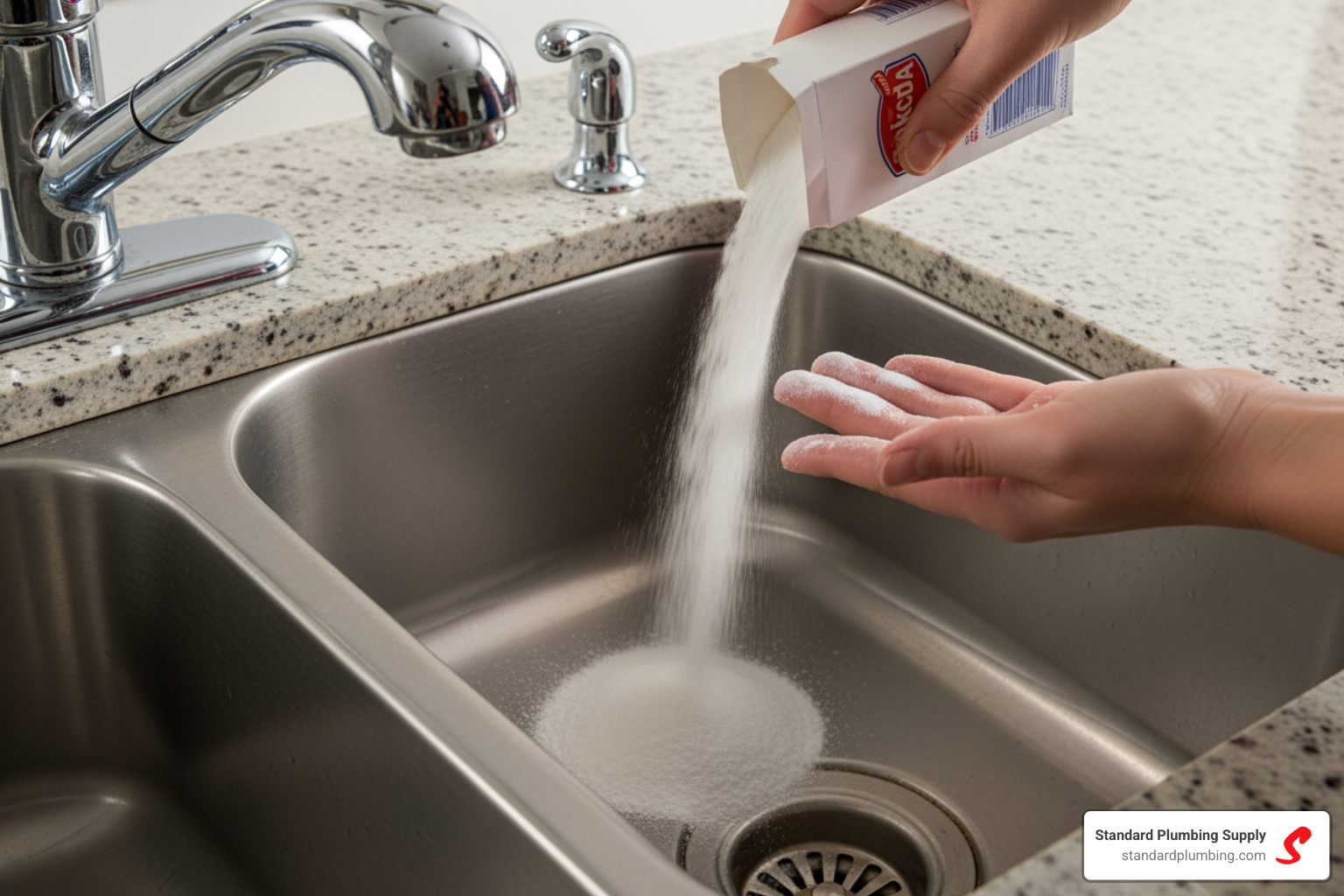
- Add Baking Soda: Immediately follow with 1/2 cup of baking soda. Try to get as much of it as possible directly into the drain opening. Let it sit for a minute or two.
- Add Vinegar and Cover: Next, pour 1/2 cup of white distilled vinegar down the drain. As soon as you add the vinegar, quickly cover the drain with a stopper or a wet rag. This traps the carbon dioxide gas, forcing the bubbling action deeper into the clog and preventing it from escaping upwards.
- Wait 10-15 Minutes: Let the mixture work its magic. You’ll hear fizzing and bubbling, which is exactly what we want! For tougher clogs, you can extend this waiting time up to 30 minutes.
- Final Boiling Water Flush: After waiting, remove the stopper and carefully pour another pot of boiling water down the drain to flush away the loosened clog and residue.
- Test the Drain: Run hot tap water for several minutes to ensure the clog is completely cleared and the drain is flowing freely. If the drain is still slow, you can repeat the process.
This method is surprisingly effective for common clogs and is a fantastic first line of defense for any homeowner.
Alternative Homemade Drain Cleaner Recipes
While baking soda and vinegar are the superstars, sometimes a different approach or a fresh scent is desired. We have a few other homemade drain cleaner recipes up our sleeves that use different ingredients to tackle specific types of clogs or provide added benefits.
Baking Soda and Salt for Abrasive Power
This combination leverages the abrasive qualities of salt to help scrub away stubborn buildup.
Recipe:
- 1/2 cup baking soda
- 1/2 cup table salt
- A pot of boiling water
How it works: The salt acts as a gentle abrasive, helping to scrape away grime, especially greasy clogs. When followed by hot water, the salt and baking soda work together to dissolve and flush out debris.
Best for: Greasy kitchen sink clogs and general grime.
Instructions:
- Mix 1/2 cup baking soda and 1/2 cup table salt together in a bowl.
- Pour the mixture down the clogged drain.
- Let it sit for at least 30 minutes. For really tough clogs, you can leave it overnight.
- Follow with a pot of boiling water to flush everything away.
Lemon Juice for a Fresh-Scented Clean
If you’re not a fan of the vinegar smell (even though it dissipates quickly), lemon juice offers a fresh alternative with similar acidic properties.
Recipe:
- 1/2 cup baking soda
- 1/2 cup fresh lemon juice
- A pot of boiling water
How it works: Lemon juice contains citric acid, which reacts with baking soda in a similar way to vinegar, producing carbon dioxide bubbles. Plus, lemon is a natural disinfectant and leaves a pleasant scent.
Best for: Kitchen sinks, especially if you want to combat odors, and light bathroom clogs.
Instructions:
- Pour 1/2 cup baking soda down the drain.
- Immediately follow with 1/2 cup lemon juice.
- Cover the drain and let it sit for about an hour.
- Flush with a pot of boiling water.
Dish Soap and Hot Water for Grease
Sometimes, the simplest solutions are the most effective. For purely greasy clogs, good old dish soap can do wonders.
Recipe:
- A few squirts of grease-cutting dish soap (like Dawn Platinum Dish Soap Vibrant Fresh Scent 18 Oz)
- A large pot of very hot (or boiling) water
How it works: Dish soap is designed to emulsify fats and oils, breaking them down so they can be washed away. The hot water helps to melt solidified grease, allowing the soap to work more effectively.
Best for: Kitchen sink clogs primarily caused by grease.
Instructions:
- Pour a few generous squirts of dish soap directly down the drain.
- Immediately follow with a large pot of very hot (almost boiling) water.
- Let it sit for about 15-20 minutes, or longer for tougher clogs.
- Flush with more hot tap water until the drain runs clear.
These alternative homemade drain cleaner recipes provide versatility, allowing us to tackle different types of clogs with ingredients we likely already have on hand.
Precautions and Proactive Drain Maintenance
While homemade drain cleaners are generally safe and effective, it’s crucial to understand their limitations and practice good drain maintenance. Prevention, as they say, is worth a pound of cure!
Potential Risks of Your Home Drain Cleaner
Even with our gentle homemade solutions, there are a few things to keep in mind:
- Using too much baking soda and vinegar: In extreme amounts, the combination of baking soda and vinegar can form a solid mass if not properly flushed. This can create an entirely new blockage or make the one you’re trying to clear much worse. We recommend sticking to the 1/2 cup of each as specified.
- Boiling water on older PVC pipes: While generally safe, extremely hot water can sometimes soften or warp older, weak PVC pipes, especially if they are already compromised. If you have very old plumbing, use hot tap water instead of boiling water for flushing.
- Ineffectiveness on severe clogs: Homemade solutions are fantastic for minor to moderate clogs. However, they may not be strong enough for deeply impacted blockages, foreign objects, or clogs caused by tree roots in your main line.
- When not to use DIY methods: If you’ve recently used a commercial chemical drain cleaner, do NOT follow it with a homemade solution. Mixing different chemicals, even mild ones, can create dangerous fumes or reactions. If the homemade solution isn’t working after a couple of tries, it’s time to move on to other methods or call a professional.
How to Prevent Clogs Before They Start
The best home drain cleaner is the one you don’t need to use! Regular maintenance is key to keeping your pipes flowing freely.
- Regular hot water flushes: Once a week, pour a pot of hot water down your drains, especially in the kitchen. This helps to melt minor grease buildup before it becomes a problem.
- Using drain strainers: Place strainers in all your sinks and shower drains to catch hair, food particles, and other debris. Clean them out after every use. This simple step can drastically reduce clogs.
- Proper grease disposal: Never pour cooking oil, grease, or fat down your kitchen sink. Instead, let it cool and solidify, then scrape it into the trash. For larger quantities, collect it in a container and dispose of it with your household waste.
- Avoiding flushing wipes or cotton swabs: Only flush human waste and toilet paper. Items like “flushable” wipes, cotton balls, dental floss, and feminine hygiene products do not break down in water and are major causes of clogs.
- Cleaning sink stoppers: Remove and clean sink stoppers regularly, especially in bathrooms. Hair and gunk often accumulate around them, contributing to slow drains.
By adopting these simple habits, you’ll significantly reduce the frequency of clogs and the need for any drain cleaner, homemade or otherwise.
When DIY Isn’t Enough: Professional Solutions
We understand that not every clog can be conquered with baking soda and vinegar. Sometimes, the blockage is too stubborn, too far down the pipe, or indicative of a larger issue. Knowing when to escalate your approach is crucial to protecting your plumbing system and avoiding further damage.
Considering a Stronger Product
When our homemade efforts fall short, it might be time to consider a more robust solution designed for tougher clogs, especially those notorious hair blockages. Standard Plumbing Supply offers a range of effective products for these situations:
- For persistent hair and grease clogs, a product like Thrift Drain Cleaner 1 Lb can be very effective. It’s important to always follow the product instructions carefully to ensure safe and effective use.
- For a powerful option that’s easy to use, consider 4.5 X 5 Oz Clr Power Plumber Drain Opener. These are designed to tackle tough blockages.
- Sometimes, the issue isn’t a clog but general grime and buildup. Products like Original Concentrated Cleaner Degreaser Stain Remover Quart or Simple Green Degreaser Cleaner Gallon can help maintain clear pipes by regularly breaking down grease and organic matter.
- Even specialized cleaning solutions like 32 Oz Bleach Tire Cleaner exist for specific needs, showcasing the variety of cleaning challenges and solutions in the market.
When using any commercial product, read and adhere to the manufacturer’s directions, wear appropriate safety gear (like gloves and eye protection), and ensure good ventilation. Never mix different chemical drain cleaners, as this can produce dangerous fumes.
Knowing When to Call a Professional Plumber
There are clear signs that a clog has outgrown our DIY abilities and requires the expertise of a professional plumber. Ignoring these can lead to more significant damage and costly repairs.
- Recurring clogs: If the same drain keeps clogging despite your best efforts, it suggests an underlying issue that a professional needs to address. It could be a damaged pipe, persistent root intrusion, or significant buildup further down the line.
- Multiple drains affected: When more than one drain in your home (e.g., a toilet, shower, and sink) is backing up or draining slowly, it often indicates a main line blockage. This is a serious issue that can lead to wastewater backups throughout your home and requires immediate professional attention.
- Foul odors from drains: Persistent sewage smells coming from your drains can signal a blockage in your main sewer line or a problem with your septic system. Don’t ignore these odors.
- Suspected pipe damage: If you hear strange noises, see visible leaks, or suspect a pipe might be cracked or broken, using DIY methods or harsh chemicals could worsen the damage.
- No success with other methods: After trying a couple of homemade solutions and perhaps a commercial drain opener without success, it’s time to call in the pros. A professional plumber has specialized tools like drain snakes, augers, and camera inspection equipment to accurately diagnose and resolve even the most stubborn clogs.
At Standard Plumbing Supply, we serve communities across Arizona, California, Colorado, Idaho, Nebraska, Nevada, Oregon, Utah, and Wyoming. We understand the unique plumbing challenges faced by homeowners in these regions, from hard water issues in Utah to potential seismic concerns in California. If you’re encountering any of these more serious issues, don’t hesitate to reach out to a local, trusted plumber in your area. We can help connect you with the right supplies and advice.
Conclusion
Tackling a clogged drain doesn’t have to be a daunting task. As we’ve explored, a home drain cleaner made from simple household ingredients like baking soda and vinegar can be a surprisingly effective, eco-friendly, and cost-effective solution for many common clogs. We’ve seen the science behind the fizz, learned step-by-step how to apply these remedies, and even finded alternative recipes for different needs.
Prevention is key! By adopting simple habits like using drain strainers, properly disposing of grease, and regular hot water flushes, you can significantly reduce the frequency of clogs and keep your pipes flowing smoothly.
However, it’s also important to know your limits. While homemade solutions are powerful, they aren’t a magic bullet for every plumbing problem. For those truly stubborn blockages, recurring issues, or suspected main line problems, don’t hesitate to consider a stronger commercial product or, even better, call a professional plumber.
For the toughest clogs and all your plumbing supply needs, trust the experts at Standard Plumbing Supply. With locations conveniently located throughout Arizona, California, Colorado, Idaho, Nebraska, Nevada, Oregon, Utah, and Wyoming, we’re here to provide the right solutions and expert advice.
For professional-grade solutions, check out our hair clog removers.
