
Why Toilet Seat Replacements Matter More Than You Think
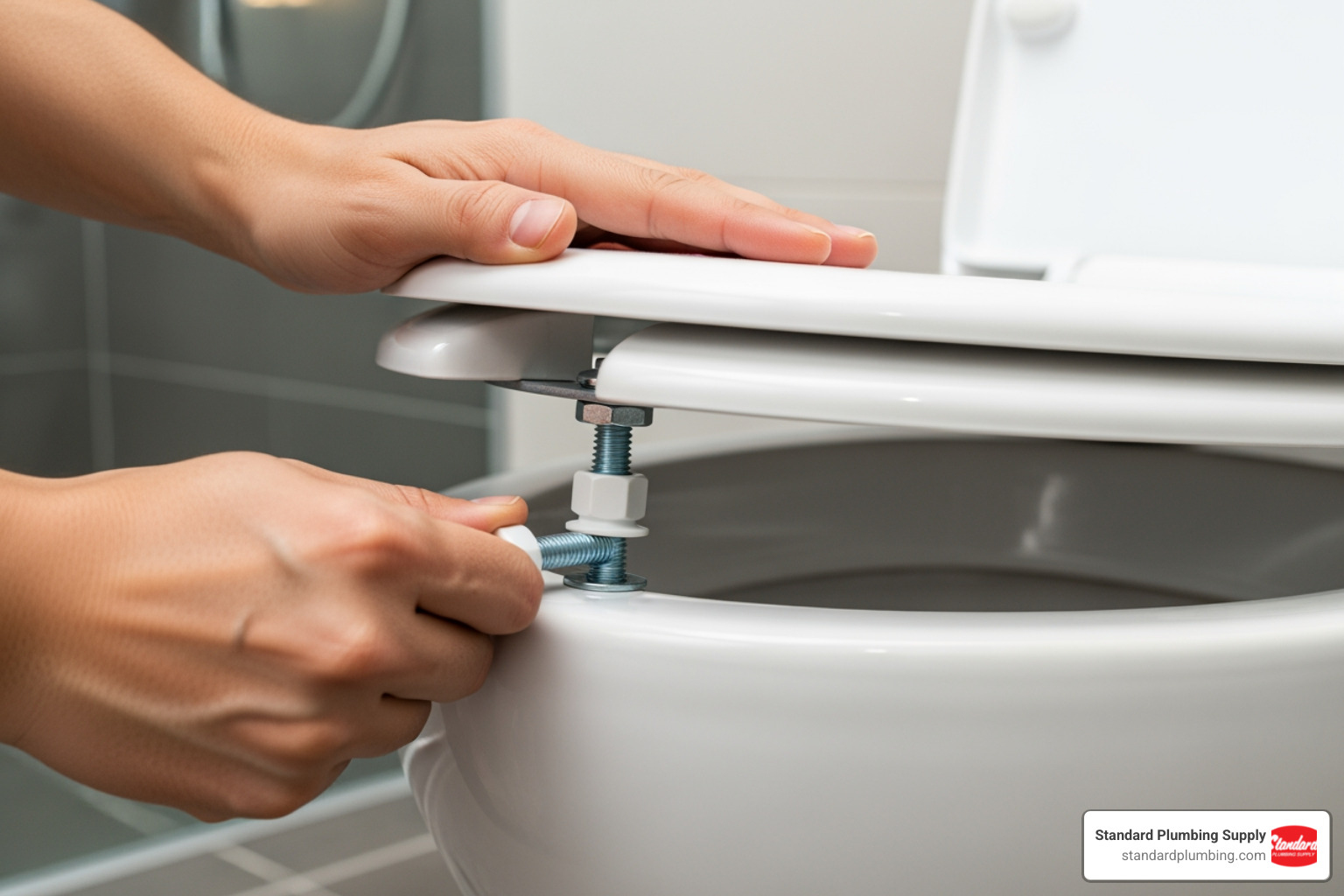
Toilet seat replacements are one of the simplest yet most impactful upgrades you can make to your bathroom. Whether your current seat is cracked, stained, or just outdated, swapping it out takes less than 30 minutes and requires minimal tools.
Quick Answer: When to Replace Your Toilet Seat
- Cracked or broken – Safety hazard and no repair option
- Loose or wobbly – Won’t stay tight even after tightening
- Stained or peeling – Hygiene concern and poor appearance
- Moving into a new home – Fresh start for cleanliness
- Potty training – Time for a child-friendly seat
When you think about your bathroom, a toilet seat might not be the first thing that comes to mind. But a comfortable and secure toilet seat is an important part of your toilet due to the daily use it gets. The good news? You don’t need to replace the entire toilet when the seat is damaged. With the global toilet seat market valued at $3.5 billion in 2022 and projected to reach $5.1 billion by 2030, manufacturers are producing seats with better features than ever – from soft-close hinges to antimicrobial surfaces.
The most common reasons for replacement are damage like cracks or breaks, followed by looseness or wobbling. But you might also want to upgrade for better features, improved comfort, or simply to refresh your bathroom’s look.
I’m Jacob Reese, Vice President of Standard Plumbing Supply and a third-generation plumbing expert who’s been in this business since I was eight years old. Over the years, I’ve helped countless contractors and homeowners steer toilet seat replacements and understand which options work best for their specific needs. Let me walk you through everything you need to know to make this simple upgrade with confidence.
When Is It Time to Replace Your Toilet Seat?
We’ve all been there – that moment you sit down and something just feels…off. Maybe it’s a slight wobble, a persistent stain, or a hinge that just won’t stay put. Knowing when to perform toilet seat replacements isn’t just about aesthetics; it’s about hygiene, comfort, and safety. The most common reasons we see for people seeking a new seat are quite practical, often stemming from damage or wear and tear.
The most frequent culprits behind needing a new toilet seat are damage such as cracks or breaks, closely followed by a seat that has become loose or wobbly. A cracked or broken seat isn’t just unsightly; it can be a pinching hazard and a breeding ground for bacteria. Similarly, a wobbly seat that refuses to tighten, no matter how much you try, is not only annoying but can also be a safety concern, especially for children or the elderly.
Beyond structural issues, hygiene plays a significant role. Stains that won’t come out, discoloration, or a peeling finish are clear indicators that your seat has seen better days. These can signal that the material is deteriorating, becoming less sanitary and harder to clean effectively. Nobody wants a toilet seat that looks perpetually unclean, right?
Sometimes, the need for toilet seat replacements isn’t about damage at all. Perhaps you’re moving into a new home in Arizona or California, and you want to ensure a fresh, clean start. Or maybe you’re starting on the exciting journey of potty training a child in your Idaho or Utah home, and a specialized child-friendly seat would make all the difference. Even a simple style update can be a valid reason – a new seat can dramatically refresh the look of your bathroom without the cost or hassle of a full remodel.
So, if you notice any of these signs, it’s probably time to consider an upgrade. It’s a quick, affordable fix that makes a big difference in your daily comfort and bathroom hygiene.
The Ultimate Guide to Choosing Your New Toilet Seat
Choosing the right toilet seat might seem like a straightforward task, but with the array of options available today, it pays to be informed. From the basic round plastic seat to advanced bidet-integrated models, there’s a perfect fit for every need and preference. When we guide our customers through toilet seat replacements, we focus on a few key areas: price range, toilet bowl shapes, materials, features, and overall comfort. The good news is that there’s a wide selection to fit every budget and design aesthetic.
Measuring for Your Toilet Seat Replacements
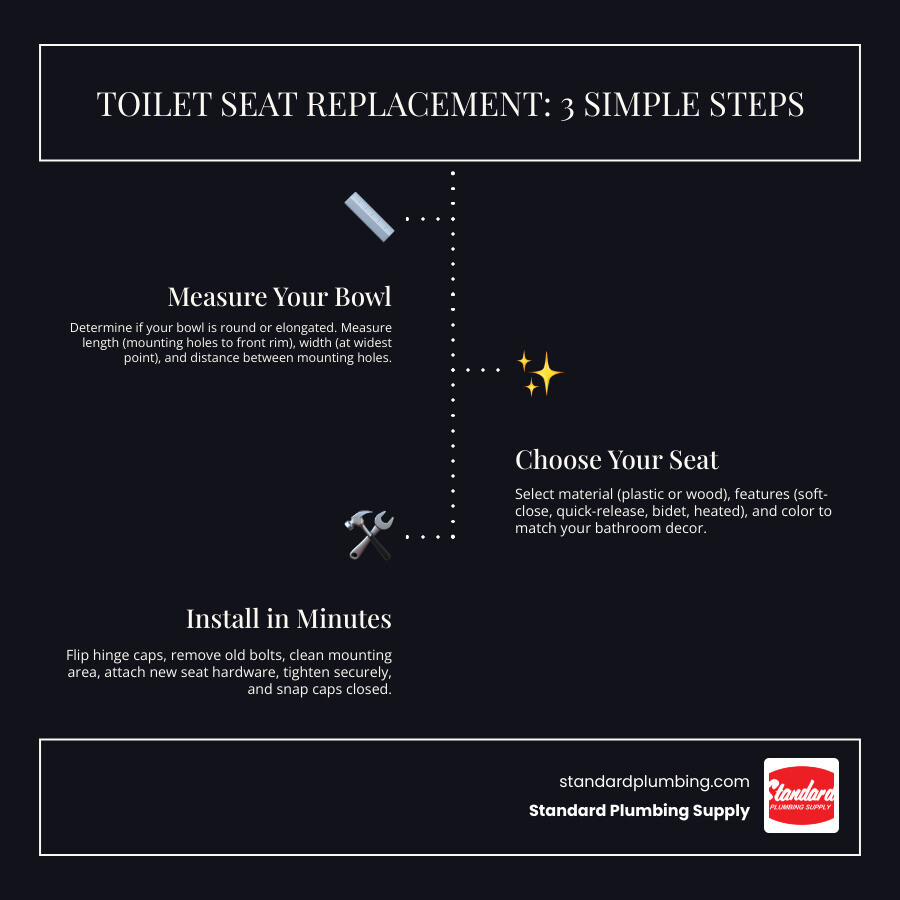
Before you even think about colors or fancy features, the absolute first step in successful toilet seat replacements is accurate measurement. This is crucial because a seat that doesn’t fit properly will be unstable, uncomfortable, and potentially prone to damage. Most toilet bowls come in two primary shapes: round and elongated, though some modern designs might feature square or rectangular shapes.
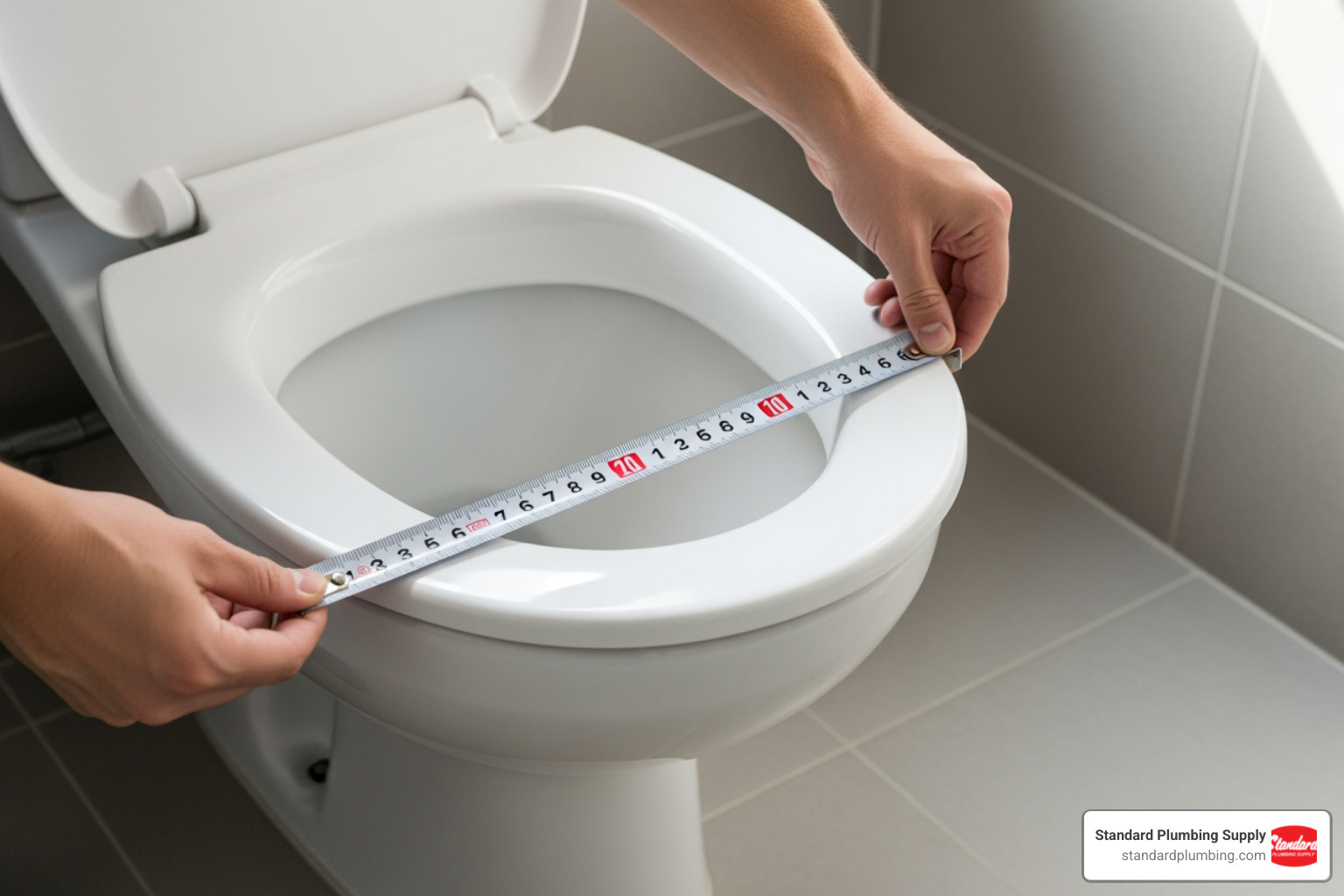
To ensure you buy the correct size and shape, grab a tape measure and jot down these three critical dimensions:
-
Bowl Length Measurement: Start by measuring from the center of the mounting holes (where the bolts secure the seat to the bowl) straight out to the front edge of the toilet bowl’s rim.
- For round toilet seats, this measurement typically falls around 16.5 inches.
- For elongated toilet seats, you’ll usually find this measurement closer to 18.5 inches. Many people find elongated seats more comfortable and stable, especially in larger bathrooms, while round seats are common in residential bathrooms and ideal for smaller spaces.
-
Bowl Width Measurement: Measure the width of the toilet bowl at its widest point. This ensures the seat will cover the entire bowl comfortably.
-
Hinge Post Distance (Bolt Spread): Measure the distance between the center of the two mounting holes. This is usually a standard measurement, typically around 5.5 inches, but it’s always best to double-check.
Matching the shape of your new seat to your toilet bowl is paramount. An elongated seat on a round bowl will overhang uncomfortably, and a round seat on an elongated bowl will leave parts of the rim exposed. Getting these measurements right will save you a headache later!
Material Matters: Wood vs. Plastic
The material of your toilet seat significantly impacts its durability, feel, and aesthetic. When considering toilet seat replacements, we often discuss the merits of wood versus plastic, the two most common options. Each has its unique benefits:
| Feature | Plastic Seats | Enameled Wood Seats | Natural Wood Seats |
|---|---|---|---|
| Durability | Strong, durable, chip-free | Exceptional strength, wear-, stain-, chip-resistant | Strong, firm feel |
| Cost | Economical, high value | Mid-range | Higher end |
| Feel/Temperature | Can feel cold | Offers warmth, firm | Warm, traditional feel |
| Color Options | Wide choice of colors, classic white, bold, heritage | Glossy finishes, various colors | Natural wood tones |
| Maintenance | Easy cleaning | Easy cleaning | May require specific care for wood finish |
- Plastic Seats: These are a fantastic, economical choice, offering high value and chip-free durability. Plastic seats are lighter than wood but still strong and durable. They are incredibly easy to clean and come in a wider choice of colors compared to wood, allowing for more design flexibility in your Nevada or Oregon home.
- Wood Seats: For a more traditional look and a warmer touch, wood seats are an excellent option. They offer exceptional strength and a firm, substantial feel.
- Molded Wood Seats: These combine the stability and comfort of wood with added versatility. Often featuring a high-gloss finish, molded wood seats are resistant to chipping and scratching, making them a durable choice for busy households in Colorado or Wyoming. Enameled wood seats, a type of molded wood, are glossy and feature durable, wear-, stain-, and chip-resistant finishes.
- Natural Wood Seats: These provide a classic, traditional aesthetic. They don’t get as cold as plastic seats, offering a more comfortable experience, especially in colder climates.
Your choice depends on your priorities: budget, desired aesthetic, and preferred feel.
Upgrading Your Experience: Modern Seat Features
Modern toilet seat replacements offer a plethora of features designed to improve comfort, hygiene, and convenience. Gone are the days when a toilet seat was just a simple piece of plastic or wood. Today, you can truly upgrade your bathroom experience.
- Soft-Close Hinges (Quiet-Close Technology): This is a game-changer for many households. Soft-close hinges prevent the lid and seat from slamming shut, eliminating that jarring noise and protecting the hinges and bowl from damage. No more accidental finger pinches or startling midnight slams!
- Quick-Release Hinges: For those of us who dread cleaning around the hinges, quick-release mechanisms are a godsend. They allow you to easily snap off the seat for thorough cleaning, even in hard-to-reach areas, and then snap it back on just as easily. This feature makes maintaining hygiene in your bathroom much simpler.
- Bidet Function: Integrated bidet toilet seats are becoming increasingly popular for their superior hygiene and comfort. These seats include water nozzles for washing, offering a fresh and clean feeling. Many models are easy to install, connecting to the standard water supply for your existing toilet, making them a great alternative to installing a separate bidet, especially in smaller bathrooms.
- Heated Seats: For ultimate comfort, particularly during those chilly mornings in Nebraska or Idaho, a heated toilet seat is a luxurious addition. These seats provide adjustable warmth, changing a cold, uncomfortable experience into a cozy one. Just remember that heated seats and bidet functions often require a Ground Fault Circuit Interrupter (GFCI) outlet for safety.
- Night Lights: Navigating to the bathroom in the dark can be tricky. Toilet seats with built-in night lights offer a soft, guiding glow, eliminating the need to turn on bright overhead lights that can disrupt sleep. Some even have programmable lights!
- Deodorizing Features: For a fresher bathroom, some seats come with deodorizing technology. These can use small battery-powered intake fans and carbon filters or scent packs to neutralize odors, ensuring your bathroom always smells clean.
- Padded Seats: For extra comfort and a softer feel, padded toilet seats offer a cushioned surface, which can be particularly appealing for extended use.
Beyond these, features like “Never Loosens” fastening systems (like the Arch Tite system or STA-TITE® bolt system) and NoSlip™ seat bumpers ensure your seat stays securely in place, preventing frustrating wobbles. Antimicrobial properties are also available in some seats, adding another layer of hygiene.
Step-by-Step Guide to Toilet Seat Replacements
Replacing a toilet seat is one of those DIY projects that often gets overlooked but can make a huge difference. It’s surprisingly simple, quick, and requires minimal tools. In fact, many people are amazed at how easy it is! As we say, Ugly toilet seat? Here’s how to swap it out in minutes. Let’s get started.
Tools and Preparation
Before you begin, gather your supplies. Having everything at hand will make the process smooth and efficient.
- New toilet seat: Make sure it’s the correct shape and size (round or elongated) and has the features you desire.
- Wrench or pliers: A 1/2″ wrench or socket is ideal for tightening the nuts, but adjustable pliers can also work.
- Flat-blade screwdriver: This might be needed to pry open hinge caps or loosen older, stubborn screws.
- Cleaning supplies: Have some disinfectant spray and paper towels or a rag ready for a good clean-up.
- New toilet seat hardware: Most new toilet seats come with their own mounting hardware, including bolts, washers, and nuts.
Removing the Old Seat
This is often the trickiest part, but with a little know-how, it’s a breeze.
- Locate the hinges: At the back of the toilet seat, where it connects to the bowl, you’ll find two hinges. These usually have decorative caps covering the bolts.
- Flip up the caps: Use your fingers or a flat-blade screwdriver to gently pry open or flip up these hinge caps. They might be stiff, especially on older seats.
- Unscrew the bolts: Once the caps are open, you’ll see the head of a bolt. Some older seats might have plastic bolts that can be unscrewed by hand. For others, you’ll need a screwdriver to hold the bolt head from the top while you loosen the nut from underneath the toilet bowl.
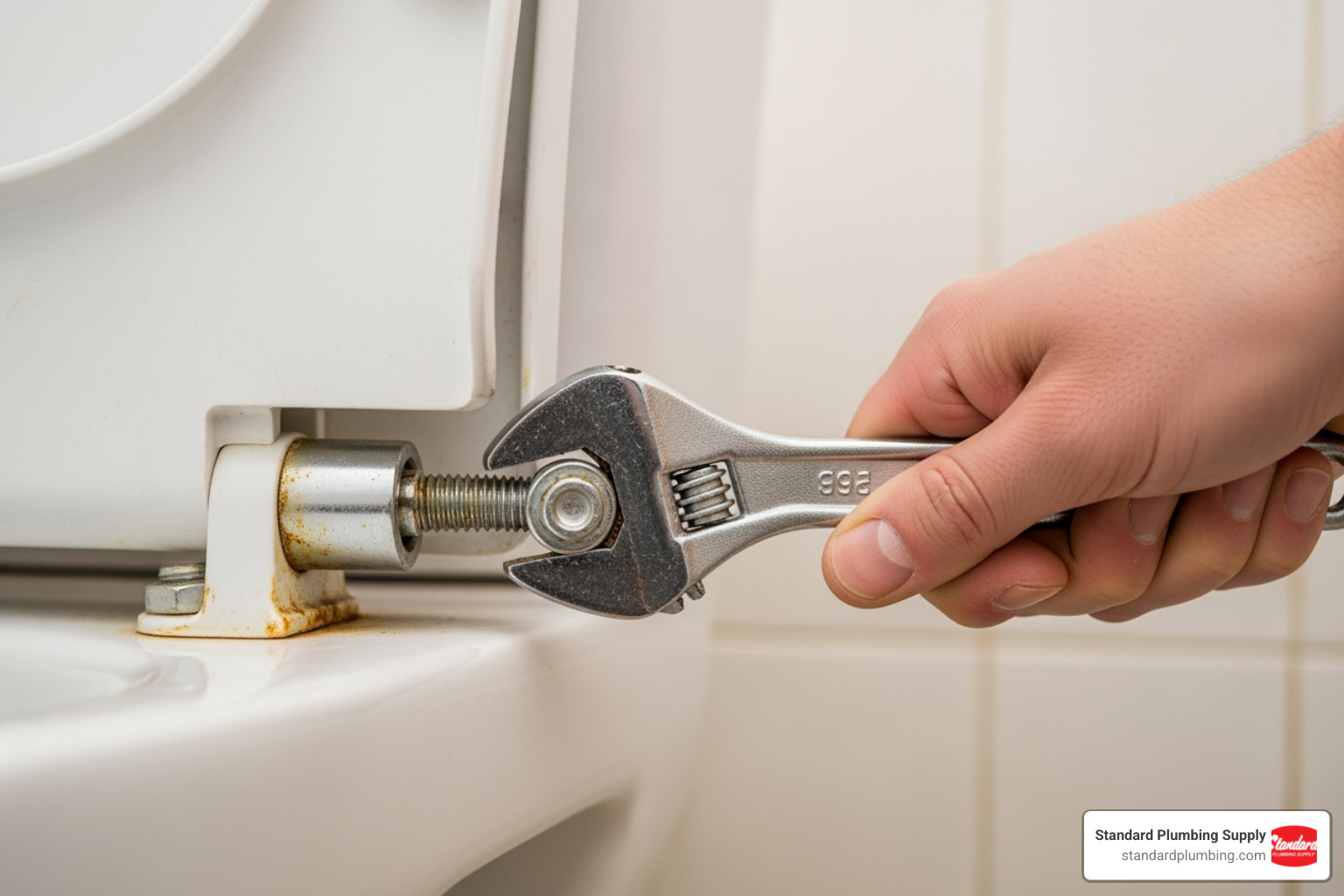
- Remove the nuts: Reach underneath the toilet bowl and locate the nuts that secure the bolts. Use your wrench or pliers to loosen and remove these nuts. Once the nuts are off, you can pull the bolts out from the top, and the old seat will lift right off.
- Clean the bowl surface: With the old seat removed, take this opportunity to thoroughly clean the area around the mounting holes and the entire rim of the toilet bowl. This is often an overlooked spot for grime buildup!
Installing the New Seat
Now for the satisfying part – putting your new, sparkling seat into place!
- Assemble the hardware: Your new toilet seat will come with mounting hardware. Typically, this involves placing a washer onto each bolt. Some seats have the bolts pre-attached to the hinges.
- Align the seat: Place the new toilet seat over the bowl, aligning the bolts (or the seat’s mounting posts) with the holes in the toilet bowl.
- Tighten the nuts: From underneath the toilet bowl, screw the large plastic nuts onto the protruding bolts. Start by hand-tightening them until they are snug.
- Secure with a wrench: Once hand-tight, use your wrench or pliers to tighten the nuts further. Many modern toilet seats, like those we carry at Standard Plumbing Supply, feature plastic nuts designed to tighten until a specific point, often indicated by a “break-off” point on the nut. This clever design prevents overtightening, which can damage the seat or the toilet bowl. Once you feel this slight give or “break,” you know it’s perfectly tight.
- Snap on bolt covers: Finally, close the hinge caps over the bolt heads to give your new seat a clean, finished look.
And there you have it! A brand-new toilet seat, securely installed and ready for use. It’s a simple upgrade that can instantly refresh your bathroom.
Special Considerations for Safety and Accessibility
When it comes to toilet seat replacements, we often think about comfort and aesthetics. However, safety and accessibility are equally important, especially for households with specific needs. We understand that bathrooms in homes across Arizona, California, and our other service areas need to cater to everyone, from our youngest family members to our cherished seniors.
For individuals with mobility issues or those seeking to improve senior safety, a standard toilet seat might not provide adequate support or ease of use. Similarly, children’s safety is a key concern, as little fingers can easily get caught in slamming lids. Ensuring your bathroom is accessible and safe can significantly improve the quality of life for all users. This often means looking beyond the basic seat and exploring specialized options.
Options for Improved Accessibility
We offer several solutions designed to make the toilet more accessible and safer for everyone:
- Lifted Toilet Seats and Toilet Seat Risers: These products add several inches to the height of your toilet, making it easier for individuals with limited mobility, knee problems, or those who use wheelchairs to sit down and stand up. They can be particularly beneficial for seniors or during recovery from surgery.
- Safety Rails and Grab Bars: While not strictly a part of the toilet seat itself, these accessories are crucial for accessibility. Installed next to or around the toilet, grab bars provide sturdy support for sitting and standing, significantly reducing the risk of falls. They are an excellent complement to lifted seats.
- Open-Front Seats: Commonly found in commercial settings but also available for home use, open-front seats are designed to promote better hygiene and make personal cleaning easier. While not exclusively an accessibility feature, the design can be beneficial for certain users by providing more access for washing.
When considering accessibility features, it’s always a good idea to think about how the entire bathroom functions. Our team at Standard Plumbing Supply can help you find solutions that meet ADA compliance standards, ensuring your bathroom is safe and comfortable for all users in your Nevada or Utah home.
Conclusion: Your Quick and Easy Bathroom Upgrade
As we’ve explored, toilet seat replacements are more than just a mundane chore; they’re a simple, impactful way to improve the hygiene, comfort, and aesthetics of your bathroom. From understanding the different shapes and materials to exploring innovative features like soft-close hinges and bidet functions, choosing the right seat can truly lift your daily routine.
We’ve walked through the straightforward process of measuring your toilet bowl, selecting from durable plastics or warm woods, and installing your new seat with just a few basic tools. We’ve also highlighted the important considerations for safety and accessibility, ensuring that everyone in your home, from children to seniors, can use the bathroom with confidence and ease.
Don’t let a cracked, wobbly, or outdated toilet seat detract from your bathroom experience any longer. It’s a simple DIY task that yields immediate and noticeable results, improving both your comfort and the overall cleanliness of your space.
For all your plumbing needs, including a wide selection of toilet seat replacements and expert advice, remember Standard Plumbing Supply. Our team, with generations of experience, is ready to help you find the perfect solutions for your home in Arizona, California, Colorado, Idaho, Nebraska, Nevada, Oregon, Utah, or Wyoming.
