
Why a Clean Blocked Drain Matters for Every Homeowner
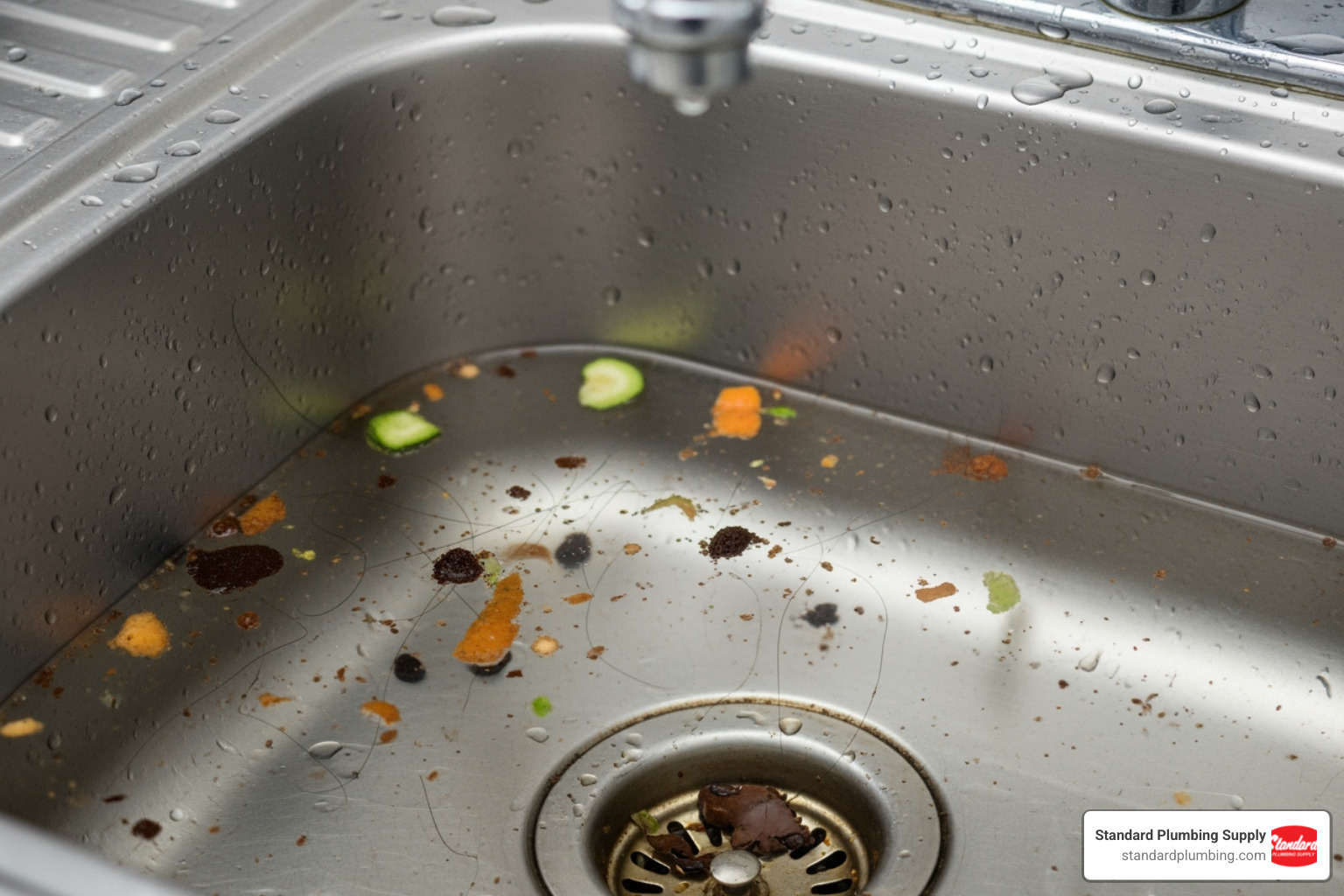
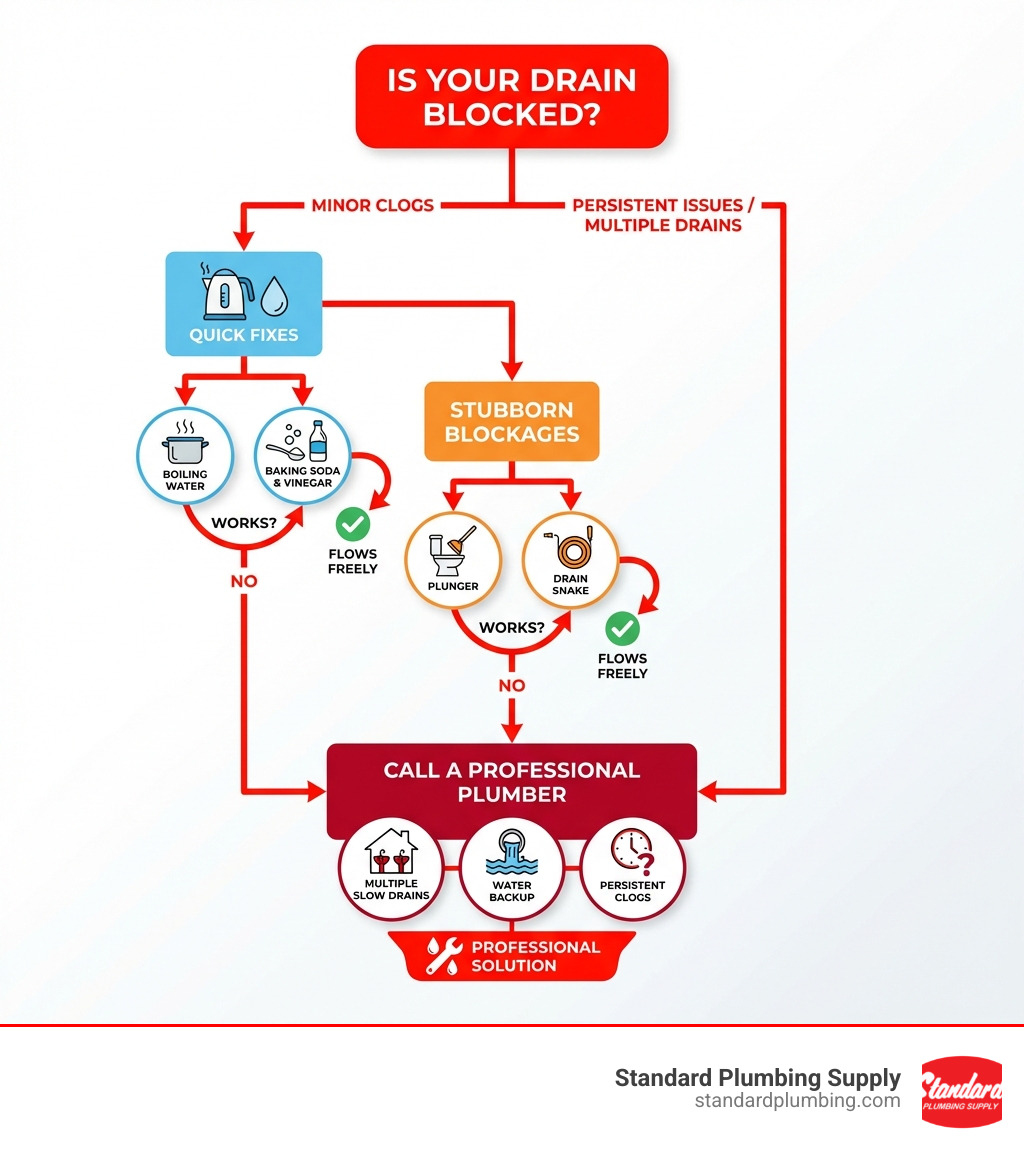
To clean blocked drain systems effectively, follow this progression:
- Start Simple: Pour boiling water down the drain
- Natural Remedy: Use 1 cup baking soda + 1 cup vinegar, wait 15 minutes, flush with hot water
- Manual Tools: Try a plunger (creating a tight seal) or drain snake for deeper clogs
- P-Trap Cleaning: Remove and clean the curved pipe under your sink
- Call a Pro: If water backs up in multiple drains or clogs persist after DIY attempts
Before you call a plumber for a clean blocked drain service, read on. A blocked drain is a major inconvenience, causing odors, slow drainage, and potential water damage. Fortunately, most clogs can be cleared with simple household items and basic tools.
Clogged drains are one of the most common household plumbing problems. Hair is the primary culprit in bathrooms, while grease and food particles clog kitchen drains. You don’t always need harsh chemicals or expensive plumber visits to solve the issue.
Understanding when to DIY and when to call for help can save you time, money, and stress. Regular maintenance prevents buildup, while knowing the warning signs of serious blockages helps you avoid costly emergency repairs.
I’m Jacob Reese, Vice President of Standard Plumbing Supply. As a third-generation plumbing professional, I’ve helped contractors and homeowners clean blocked drain systems for decades. I’ve seen every type of clog and know which methods work best for each situation.
Understanding Your Blocked Drain: Common Causes and Telltale Signs
A clean blocked drain is a happy drain, but first, we need to understand why drains get blocked and what signs to look for. Knowing the culprit helps us choose the most effective cleaning method.
Signs Your Drain is Blocked
Drains usually give warnings before they fail completely. Look for these signs:
- Standing water: Water that isn’t draining at all or is draining very slowly.
- Slow draining: Water pools in your sink or shower and takes longer than usual to drain. This is an early sign of a clog.
- Gurgling noises: Sounds from your drains indicate trapped air struggling to get past a blockage.
- Foul smells from drain: Unpleasant odors suggest that food, grease, or other organic matter is decomposing in your pipes.
- Water backup in other fixtures: If flushing a toilet causes water to back up elsewhere, you may have a main drain line blockage.
Common Causes of Clogs
Clogs result from buildup over time, and the cause often depends on the location.
Kitchen Drains
- Grease: The top enemy of kitchen drains. Hot fats, oils, and grease cool and solidify inside pipes, trapping other debris.
- Food waste: Small food particles, coffee grounds, and starchy foods can accumulate and form blockages, even with a garbage disposal. Scrape plates into the trash before washing.
- Coffee grounds: These don’t dissolve in water and can clump with grease to create tough clogs.
As Calgary Water advises, watch what you pour down your sink. Never dispose of grease, coffee grounds, or oils in the drain.
Bathroom Drains
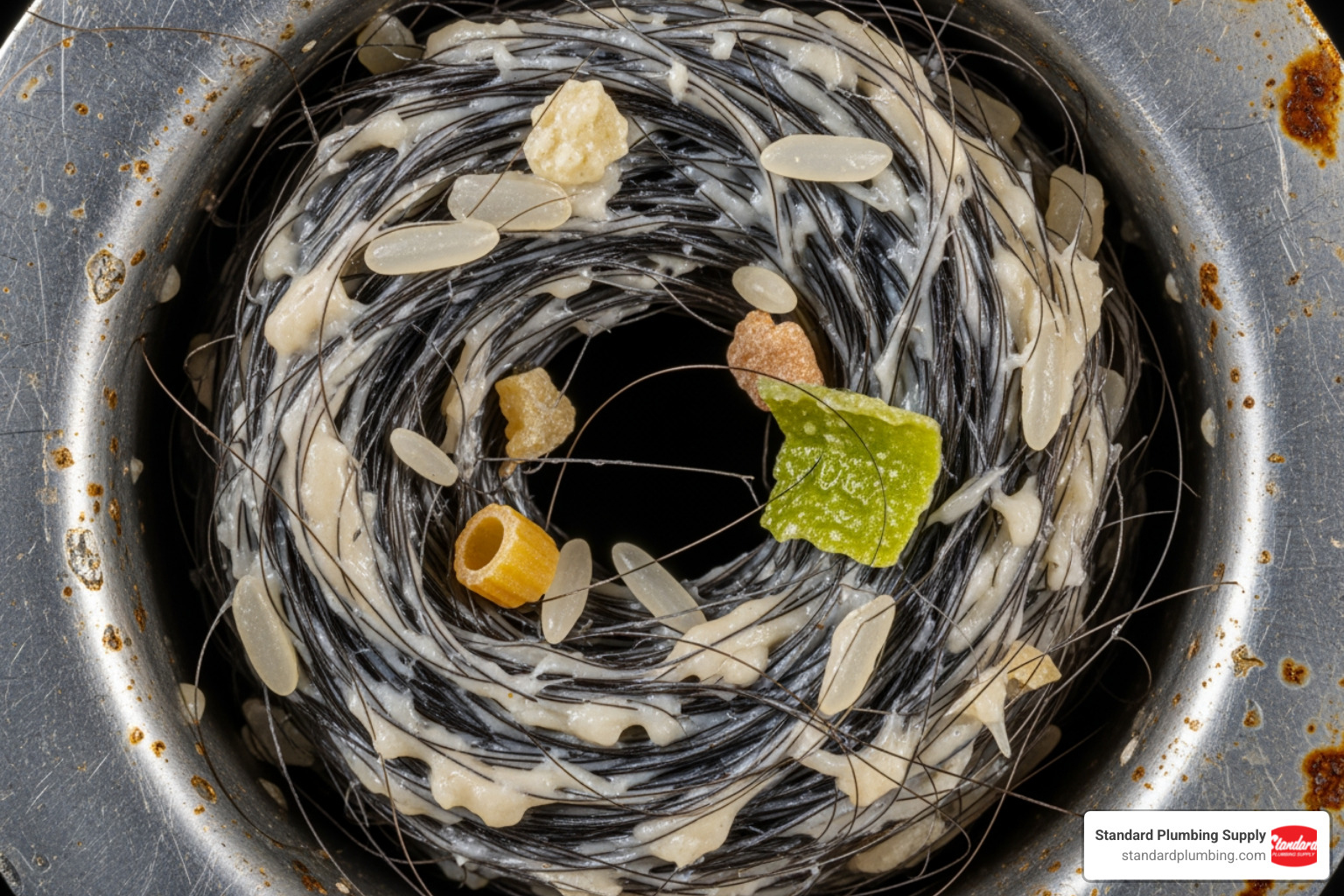
- Hair: The most common cause of clogs in bathroom sinks and showers. Hair tangles into dense mats that are hard to break down.
- Soap scum: Residue from soaps and conditioners builds up on pipe walls, creating a sticky surface for hair and other debris to cling to.
- Foreign objects: Small items like cotton swabs, dental floss, or jewelry can fall into drains and cause immediate blockages.
Natural & Gentle DIY Methods for Minor Clogs
When facing a minor clog, your first line of defense should be natural, gentle methods. These approaches are safer for your pipes and the environment and are often very effective.
How to Clean a Blocked Drain with Baking Soda and Vinegar
This classic, non-toxic method is effective for many minor clogs.
The Science Behind the Fizz:
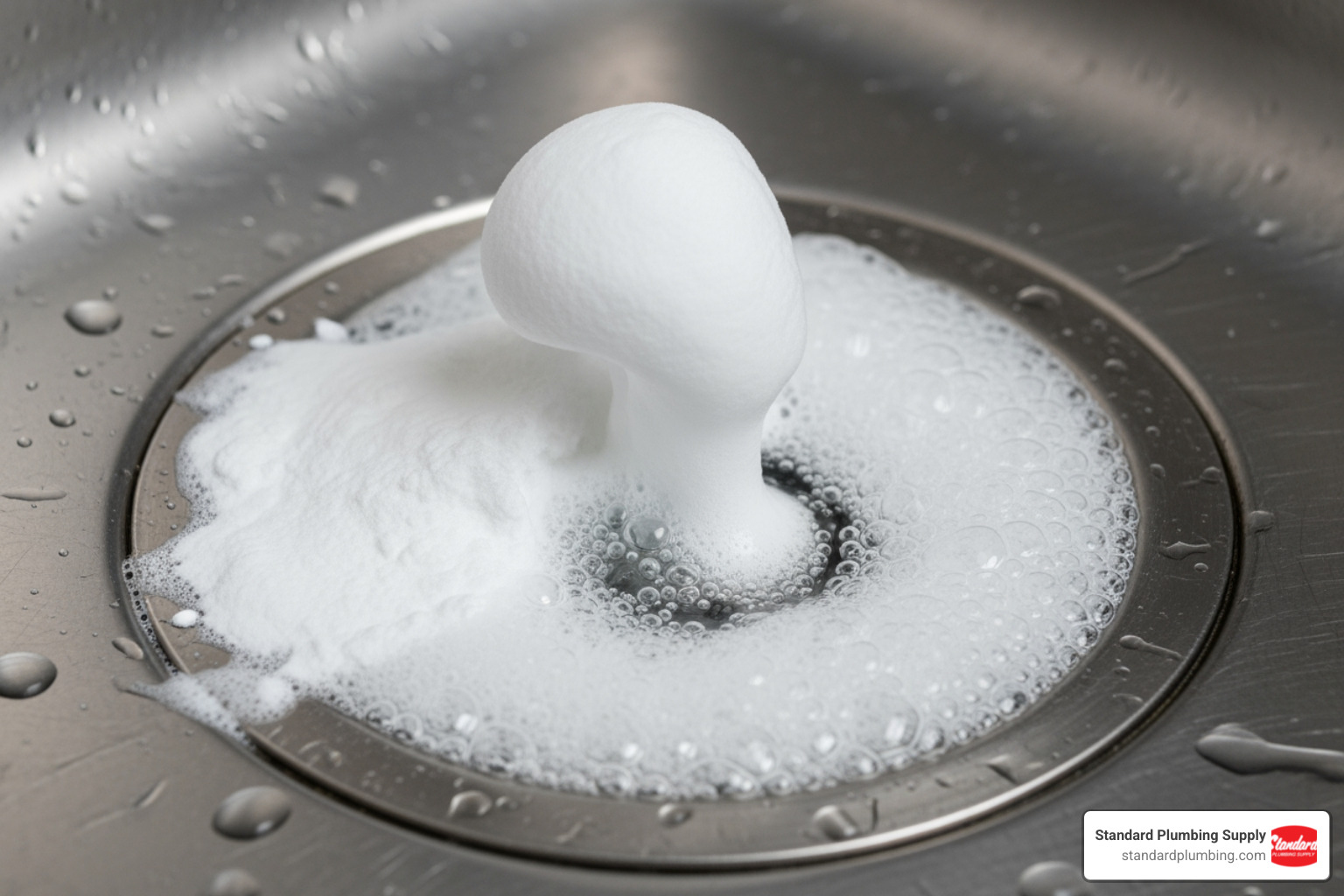
When baking soda (a base) and vinegar (an acid) mix, they create a bubbling reaction. The resulting carbon dioxide gas helps dislodge and break apart debris stuck to your pipe walls.
Step-by-Step Instructions to Clean a Blocked Drain with Baking Soda and Vinegar:
- Remove Standing Water: Clear as much standing water from the sink or tub as possible.
- Pour Boiling Water: Carefully pour a pot of boiling water down the drain to loosen grease.
- Add Baking Soda: Wait a few minutes, then pour about 1 cup of baking soda into the drain.
- Follow with Vinegar: Pour 1 cup of white vinegar down the drain to start the fizzing reaction.
- Cover and Wait: Cover the drain with a stopper to contain the reaction inside the pipe. Let it sit for 15-30 minutes.
- Flush with More Hot Water: Flush the drain with another pot of boiling water to wash away the clog.
When to use this method: This is best for minor clogs from grease, food, hair, and soap scum. It’s also great for routine maintenance and odor elimination. For more details, see guides like How to Clean Drains with Baking Soda and Vinegar.
Benefits and Limitations:
- Benefits: Non-toxic, inexpensive, and effective for minor organic clogs and odors.
- Limitations: Not strong enough for severe blockages, solid objects, or deep clogs.
The Boiling Water Flush
A simple boiling water flush can be very effective.
When it’s effective: This method works best on clogs made of grease or soap scum, as the heat melts the buildup. Regular flushing can also prevent clogs.
Safety precautions:
- Handle with care: Pour boiling water slowly to avoid splashes and burns.
- PVC pipes vs. metal pipes: Boiling water is generally safe for metal pipes, but use caution with PVC pipes. Prolonged exposure to boiling water can soften or damage PVC. For PVC pipes, use very hot tap water instead, or let boiled water cool slightly before pouring.
Essential Tools to Clean a Blocked Drain
When natural remedies aren’t enough, it’s time for mechanical assistance. These tools are household staples because they’re effective for a wide range of clogs.
| Tool | Best For | Effectiveness for Clogs |
|---|---|---|
| Plunger | Surface clogs, food particles, minor debris | High for shallow blockages, low for deep or solid obstructions |
| Drain Snake (Auger) | Hair clogs, deeper organic matter, small objects | High for persistent clogs beyond the P-trap, moderate for solid objects |
| Baking Soda/Vinegar | Minor organic clogs, grease, odor elimination | Moderate for light clogs, low for severe or solid blockages |
How to Clean a Blocked Drain Using a Plunger
A plunger is a powerful tool that uses hydraulic pressure to dislodge clogs.
- Prepare the Area: For double sinks, seal the second drain. For bathroom sinks, block the overflow opening with a wet cloth.
- Ensure Water for Seal: Fill the sink with enough water to cover the plunger’s rubber cup. This is crucial for creating a seal.
- Position and Seal: Place the plunger over the drain to create a tight seal.
- Plunging Technique: Pump the plunger up and down vigorously for 15-20 seconds. The goal is to use suction to pull the clog loose.
- Check and Repeat: Quickly remove the plunger. If water drains, the clog is clear. If not, repeat the process.
For more tips, see Using a plunger correctly.
Using a Drain Snake or Auger for Deeper Clogs
For deeper clogs a plunger can’t reach, use a drain snake (or auger). This flexible tool steers pipe bends to break up or retrieve clogs. More information is available on plumber’s snakes.
When to use an auger: Use a drain snake for stubborn or deep clogs, especially tough hair clogs in showers and bathroom sinks. To see an auger, you can use an auger.
Step-by-Step Guide:
- Access the Drain: Remove the sink’s P-trap or the shower drain cover for better access.
- Feed the Snake: Slowly push the snake into the drain until you feel resistance.
- Engage the Clog: Lock the cable and crank the handle clockwise. This will bore into or hook the clog.
- Work the Clog: Continue to push and rotate to advance the snake. If it snags, try rotating counter-clockwise, then clockwise again while pulling gently.
- Retrieve or Clear: Carefully pull the snake back out. Have a bucket ready for any debris you pull out.
- Flush and Test: Flush the drain with hot water to ensure it’s clear.
Safety Tips:
- Wear gloves and eye protection.
- Be careful not to scratch fixtures.
- Never use a snake after using chemical drain cleaners.
- Don’t force the snake if it gets stuck.
How to Clean the P-Trap
The P-trap is the U-shaped pipe under your sink. It holds water to block sewer gases and often collects debris. Cleaning it is a direct way to clean blocked drain issues. Learn more about the P-trap’s purpose at The trap).
Locating the P-Trap:
Look for the curved pipe connecting the sink drain to the pipe in the wall.
Tools Needed:
- Bucket
- Adjustable wrench or channel locks
- Old toothbrush or pipe cleaner
- Rubber gloves
Step-by-Step Cleaning Process:
- Preparation: Place a bucket under the P-trap to catch water and debris.
- Loosen Slip Nuts: Use a wrench to loosen the two slip nuts connecting the trap.
- Remove the P-Trap: Once the nuts are loose, remove the trap. Water and sludge will spill into your bucket.
- Clean the Trap: Thoroughly scrub the inside of the trap to remove all hair, grease, and debris. Rinse it with hot water.
- Inspect Pipes: Check the adjoining pipes for any visible clogs.
- Reassembly and Leak Check: Reattach the P-trap, tighten the nuts securely (but don’t overtighten), and run water to check for leaks.
Prevention and When to Call a Professional Plumber
An ounce of prevention is worth a pound of cure for keeping drains clear. While we’ve shared many DIY methods to clean blocked drain issues, some situations require an expert.
Effective Preventive Measures to Avoid Future Clogs
Proactive maintenance is the best way to avoid a clogged drain. Here are our top tips:
- Use Drain Guards: Place strainers over all drains, especially in the kitchen and shower, to catch hair and food particles.
- Avoid Pouring Grease: Never pour cooking grease, fats, or oils down the kitchen sink. Collect them in a container and throw them in the trash.
- Run Hot Water Regularly: After using the kitchen sink, run hot water for a minute to help flush down residual oils and prevent buildup.
- Regular Cleaning: Periodically flush drains with boiling water or a baking soda and vinegar solution to break down minor accumulations.
- Proper Food Waste Disposal: Avoid putting fibrous vegetables, potato peels, or coffee grounds down the garbage disposal. Scrape plates into the trash first.
- Hair Traps: Use dedicated hair traps in showers and bathroom sinks.
- Mind What You Flush: Only flush human waste and toilet paper. “Flushable” wipes, feminine hygiene products, and dental floss cause major blockages.
The Risks of Chemical Drain Cleaners
Chemical drain cleaners are often marketed as quick fixes, but they have significant drawbacks and should be a last resort.
- Pipe Damage: Harsh ingredients can generate heat that may soften PVC pipes, weaken metal pipes, and damage seals. Repeated use can lead to costly repairs.
- Environmental Impact: These chemicals are flushed into wastewater systems, where they can harm aquatic life and disrupt sewage treatment.
- Health Hazards: Chemical cleaners are caustic and can cause severe burns to skin and eyes. Inhaling fumes is dangerous, and mixing cleaners can create toxic gas.
- Ineffectiveness: They often only partially dissolve clogs, making them harder to remove mechanically. If the drain remains blocked, you’re left with a pipe full of hazardous chemicals.
We recommend trying natural and mechanical methods first. If you must use a chemical cleaner, choose one appropriate for your pipes and follow the instructions carefully.
Signs It’s Time to Call a Professional
Despite your best efforts, some clogs require a professional. Knowing when to call a plumber can save you from frustration and costly damage.
Here are the signs that it’s time to pick up the phone:
- Persistent Clogs: If you’ve tried multiple DIY methods and the clog remains or quickly returns.
- Multiple Drains Are Slow: If fixtures throughout your home are draining slowly, it likely indicates a blockage in your main sewer line.
- Water Backing Up: Water backing up into other fixtures is a clear sign of a main line blockage.
- Recurring Issues: Constant clogs in the same drain may point to a structural problem like tree root intrusion or a collapsed pipe.
- Foul Sewer Odor: Persistent sewer smells can mean gases are escaping due to a blockage or a broken vent pipe.
Professional plumbers have the specialized tools and expertise to tackle any clog safely.
Frequently Asked Questions about Cleaning Drains
Here are answers to some of the most common questions we hear from homeowners about drain issues.
What are the main differences between kitchen and bathroom clogs?
Understanding the different types of clogs helps you choose the right method to clear them.
- Kitchen Clogs: These are mainly caused by grease and food particles. Cooking fats solidify in pipes, creating sticky blockages that trap food scraps.
- Bathroom Clogs: The main culprits are hair and soap scum. Hair forms tangled mats, while soap residue creates a sticky film that hair clings to.
Tailoring your method: For kitchen clogs, hot water and baking soda/vinegar are great for dissolving grease. For bathroom clogs, mechanical tools like drain snakes are often more effective.
Is it safe to use boiling water in PVC pipes?
This is an important question. While hot tap water is fine for PVC pipes, pouring freshly boiled water (212°F or 100°C) can pose a risk.
- Potential risks: PVC pipes are typically rated for water up to 140-150°F (60-65°C). Water hotter than this can cause the pipes to soften, warp, or melt, leading to leaks.
- Hot water vs. boiling water: Hot tap water is usually below the risk threshold and is generally safe for PVC.
- Best practices for PVC: We recommend using very hot tap water instead of boiling water. If you must use boiled water, let it cool for a few minutes first or pour it in stages.
What should I do if multiple drains are clogged at once?
If multiple fixtures are clogged (e.g., sinks, toilets, showers), this strongly indicates a main drain line blockage.
- Main drain line blockage: All your home’s individual drains connect to a main drain line. A clog here will affect multiple fixtures at once.
- Causes and Symptoms: Main line clogs can be caused by grease buildup, foreign objects, or tree roots. Symptoms include toilets bubbling, water backing up into showers when a toilet is flushed, and strong sewer odors.
- Why you should call a plumber immediately: A main drain line blockage is not a DIY job. Trying to fix it yourself can cause wastewater to back up into your home, creating significant damage and health hazards. A professional has the right tools, like powerful augers or hydro-jetters, to clear the line safely and can use a camera to diagnose the problem.
Conclusion
We hope this ultimate guide has empowered you to tackle those pesky drain clogs with confidence! From understanding the common culprits to employing natural remedies and essential tools, you’re now equipped to clean blocked drain systems effectively. We’ve learned that most clogs can be resolved with a bit of patience and the right approach, saving you time, money, and stress.
Prevention is always key. By adopting simple habits like using drain guards, avoiding grease down the sink, and regular flushing, you can significantly reduce your chances of future blockages. And while we encourage you to be your own household hero, we’ve also highlighted the critical signs that indicate it’s time to call in a professional. Sometimes, a job is just too big for even the most determined DIYer, and that’s perfectly okay.
At Standard Plumbing Supply, we’re here to support all your plumbing needs, whether you’re a seasoned pro or just starting your DIY journey. We have a wide selection of quality plumbing tools and supplies available at our locations across Arizona, California, Colorado, Idaho, Nebraska, Nevada, Oregon, Utah, and Wyoming.
Find all the drain cleaning tools and supplies you need to keep your home’s plumbing running smoothly. We’re always ready to help you keep things flowing!
