
What is a Dishwasher Air Gap Boise Requirement?
In home inspections and plumbing, the dishwasher air gap Boise requirement is a frequent topic of conversation. But what exactly is it? At its simplest, an air gap is a small, cylindrical fixture mounted on your kitchen sink or countertop. Its internal structure is designed to create a physical break between the dishwasher drain hose and the sink drain.
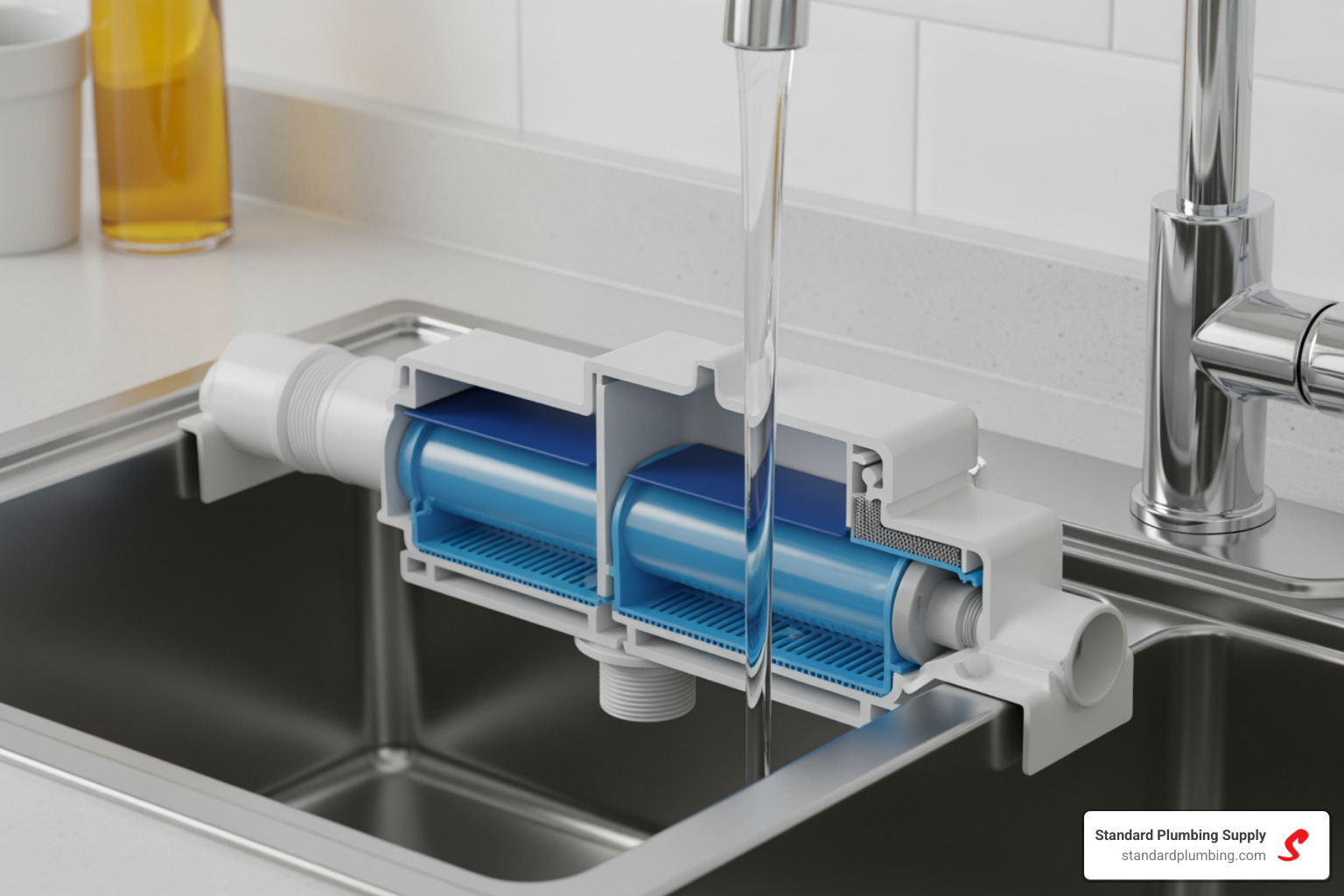
The primary purpose of this device is backflow prevention. Without an air gap, a backup in your sink or garbage disposal could result in “gray water”—filled with food scraps, bacteria, and detergents—siphoning backward into your dishwasher. This creates a risk of cross-contamination, where your supposedly “clean” dishes are sitting in a pool of dirty waste.
According to Two Moose Home Inspections Insights, it is very common to find dishwashers during an inspection that lack a proper anti-siphon device. While some modern dishwashers come with a “factory high loop” attached to the side of the machine, these are often insufficient to prevent backflow from a heavily backed-up sink. For true potable water safety and adherence to Idaho plumbing standards, a dedicated air gap is the gold standard.
Air Gaps vs. High Loops: A Quick Comparison
| Feature | Dishwasher Air Gap | High Loop Method |
|---|---|---|
| Mechanism | Physical air break above the sink rim | Hose looped to the underside of the counter |
| Boise Code | Generally required/Highly recommended | Often flagged by inspectors if not specific |
| Visibility | Visible “knob” on the sink/counter | Hidden inside the cabinet |
| Reliability | 100% effective via physics | Can fail if the sink overflows above the loop |
| Maintenance | May occasionally spray if clogged | Maintenance-free until it clogs |
Understanding Local Boise Plumbing Codes and Regulations
Boise follows the Uniform Plumbing Code (UPC), as overseen by the Idaho State Plumbing Board. These regulations are in place to ensure sanitation standards are met across all residential and commercial properties. When it comes to dishwasher installations, the code generally dictates that the appliance must discharge indirectly.
As detailed in Dishwasher Drain Detail Guidelines, the drain line must be protected against backflow. While some jurisdictions are beginning to allow the “high loop” method, many Boise property inspections will still look for a physical air gap, especially in new constructions or major kitchen remodels. If you are replacing a sink with a Diamond Equal Double Drop-In Undermount Kitchen Sink, Truffle, you need to plan for where that air gap will sit.
Why Your Dishwasher Air Gap Boise Setup Matters
The mechanics of siphonage are simple but dangerous. If your sink clogs and fills with water, and your dishwasher starts its drain cycle, a vacuum can be created. This vacuum can pull the dirty sink water into the dishwasher.
By installing a proper air gap alongside your Kitchen Faucets, you create a physical air break. Because the air gap is mounted above the flood rim of the sink, gravity ensures that any backup spills out onto the counter and into the sink rather than being sucked back into the appliance. This eliminates health risks associated with contaminated water touching your eating surfaces.
Step-by-Step Guide to Installing a Dishwasher Air Gap
If you’re ready to tackle this project, you’ll need a few basic tools: a drill (if your sink doesn’t have a pre-drilled hole), a 1-3/8 inch hole saw, a screwdriver, and stainless steel hose clamps. You can find everything you need in our Kitchen Disposals, Air Switches, Accessories catalog.

- Locate or Drill the Hole: Most stainless steel sinks come with a pre-drilled hole covered by a plug. If yours doesn’t, or if you have a stone countertop, you will need to drill a 1-3/8 inch hole. Pro tip: Use masking tape on the surface before drilling to prevent scratches.
- Mount the Air Gap: Remove the decorative chrome cover and the plastic nut from the air gap body. Insert the body through the hole from the top (or bottom, depending on the model design).
- Secure the Unit: From under the sink, tighten the mounting nut until the air gap is firm against the surface.
- Connect the Dishwasher Hose: Take the drain hose coming from your dishwasher and attach it to the smaller leg (usually 5/8-inch) of the air gap. Secure it tightly with a stainless steel hose clamp.
- Connect the Lead-Out Hose: Attach a larger 7/8-inch hose to the larger leg of the air gap. This hose will run down to your sink drain or garbage disposal.
Connecting Your Dishwasher Air Gap Boise to a Garbage Disposal
Connecting to a disposal is the most common setup in Boise kitchens. If you are installing a new unit like the Insinkerator Contractor 333 3/4 Horsepower Food Disposal, there is one critical step many homeowners forget: the knockout plug.
Inside the disposal’s dishwasher inlet port is a plastic plug. You must use a screwdriver and hammer to tap this plug out and then retrieve the plastic piece from inside the disposal chamber. If you leave it in, your dishwasher will not drain, and water will spray out of your new air gap immediately.
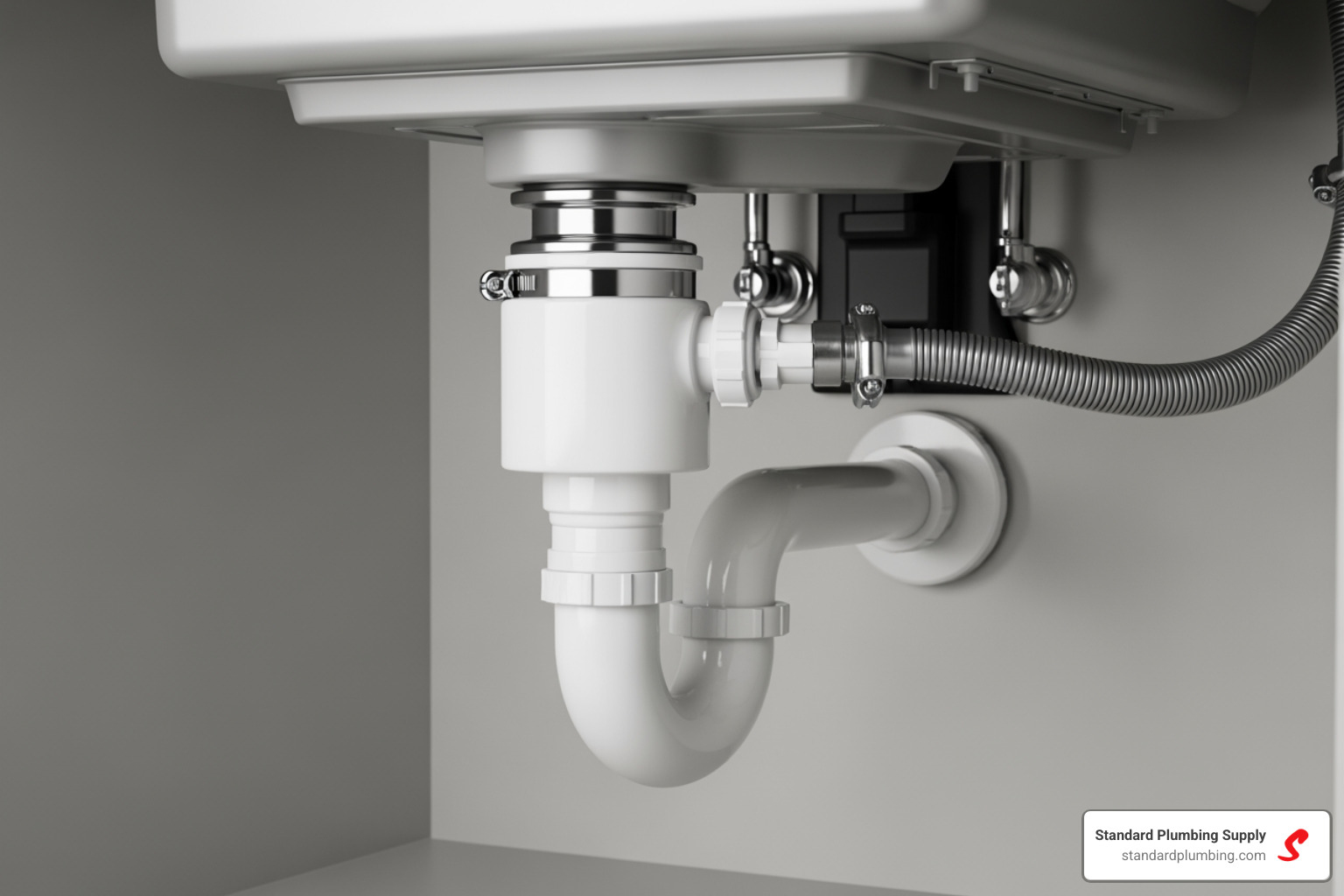
Once the plug is removed, slide your 7/8-inch tubing onto the disposal nipple and secure it with a clamp. Ensure there are no kinks in the line; the hose should have a consistent downward slope from the air gap to the disposal to prevent standing water.
Troubleshooting Common Air Gap Problems
Is your dishwasher air gap Boise setup acting up? The most common complaint we hear at Standard Plumbing Supply is water leaking out of the air gap holes onto the counter. This is actually the air gap doing its job—it’s telling you there is a blockage downstream.
- Food Debris: Small bits of food can get stuck in the 7/8-inch hose between the air gap and the disposal. Remove the hose and clear it out.
- The Knockout Plug: As mentioned, if you just installed a new disposal and the air gap is geysering, you likely forgot to knock out the plug.
- Mineral Deposits: Boise is known for having hard water. Over time, calcium and magnesium can build up inside the air gap. You can clean this by removing the chrome cap and using a small bottle brush or a pipe cleaner to scrub the internals.
- Gurgling Sounds: If you hear loud gurgling, it might be a sign of a clogged dishwasher filter or a kinked hose.
If you have a Diamond Equal Double Drop-In Undermount Kitchen Sink, Truffle, ensure the air gap is oriented so the overflow hole faces the sink basin. This ensures that if a backup occurs, the water goes into the drain rather than flooding your cabinetry.
Frequently Asked Questions about Boise Dishwasher Drainage
Can I use a high loop instead of an air gap in Idaho?
While the “high loop” (securing the drain hose to the very top of the under-sink cabinet) is accepted in some states like Utah or Arizona, Idaho’s adherence to the UPC makes the air gap the standard. Some local Boise inspectors may allow a high loop if the dishwasher is a specific model with a built-in backflow preventer, but for guaranteed code compliance and safety, we always recommend an air gap.
Why is water coming out of my air gap onto the counter?
This usually means the hose connecting the air gap to the garbage disposal is clogged or kinked. Since the water can’t go down the drain, it follows the path of least resistance—out the air gap’s vents. Check the 7/8-inch hose for food buildup or ensure the disposal knockout plug has been removed.
How do I clean a clogged air gap?
It’s easier than you think! Simply pop off the decorative chrome cover. Underneath, you’ll see a plastic cap (sometimes held on by clips or threads). Remove that cap and use a bottle brush or a wet/dry vac to suck out any accumulated gunk. Regular cleaning helps prevent the “rotten egg” smell that can sometimes drift from kitchen drains.
Conclusion
Navigating the specifics of a dishwasher air gap Boise installation doesn’t have to be a headache. Whether you are a homeowner looking to fix a leaking air gap or a DIYer installing a brand-new kitchen suite, understanding the “why” behind the code helps keep your home safe and your water clean.
At Standard Plumbing Supply, we pride ourselves on providing the local expertise and high-quality parts needed to get the job done right the first time. From heavy-duty disposals to stylish faucets and the air gaps that protect them, we have the inventory and the knowledge to support the Boise community.
If you have questions about your specific setup or need to grab a few stainless steel clamps for your weekend project, Visit our Boise locations for expert advice. Our team is ready to help you turn those plumbing “secrets” into a job well done!
