
Why Every Homeowner Needs to Know About Shut-Off Valves
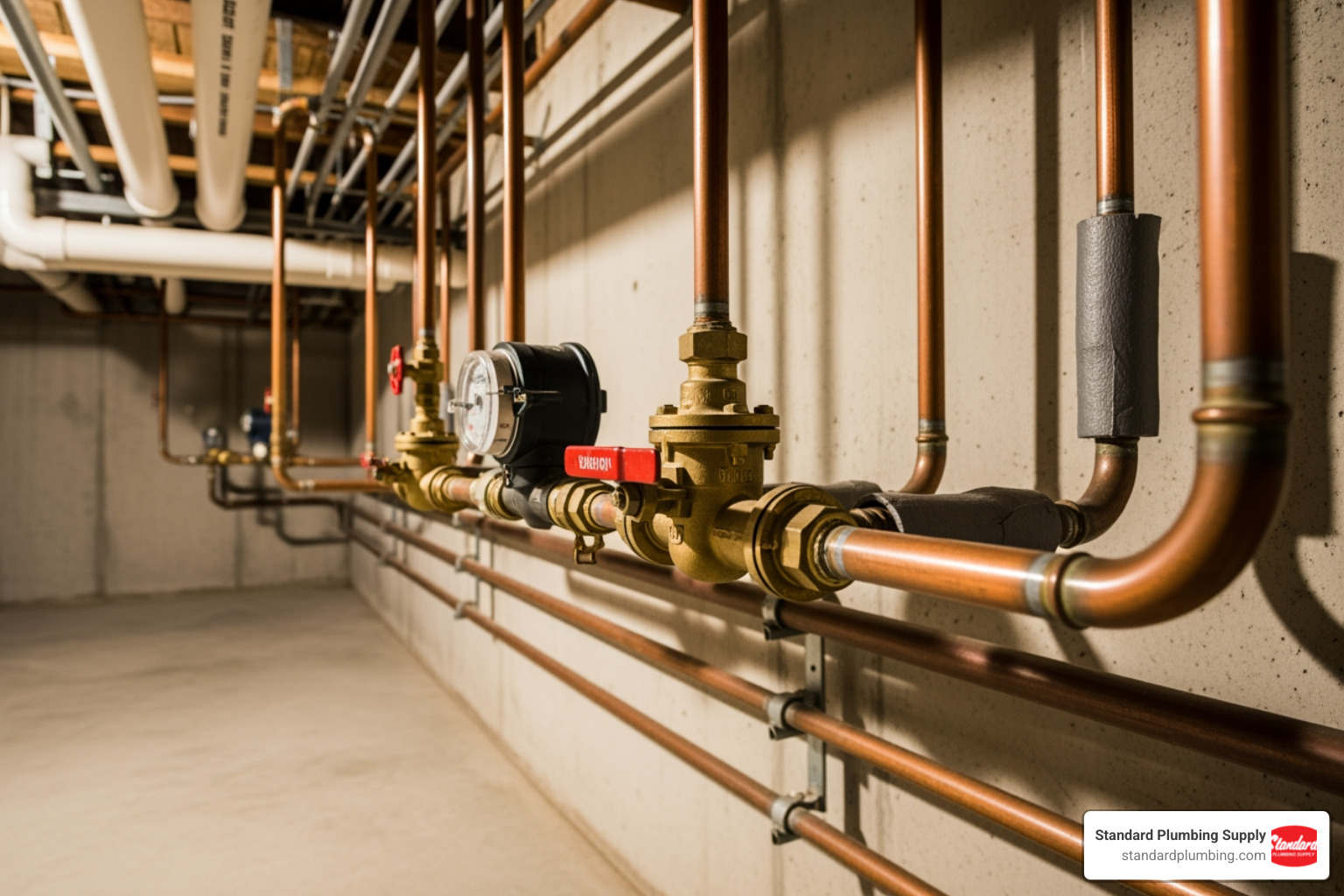
A shut off valve is a plumbing device that controls water flow to your home, specific fixtures, or appliances. If you need to locate and operate one quickly, here’s what you need to know:
Quick Guide to Your Shut-Off Valves:
- Main Shut-Off Valve – Usually in your basement near the water meter; turns off all water to your home
- Fixture Shut-Off Valves – Located under sinks, behind toilets, and near appliances; controls water to individual fixtures
- Operation – Turn clockwise to close (right = tight), counterclockwise to open
- Common Types – Ball valves (quarter-turn), gate valves (multi-turn), angle stops (under sinks)
Picture this: It’s 2 AM, and you hear water gushing somewhere in your house. A pipe has burst, or maybe your toilet won’t stop running. In that moment of panic, do you know where your shut-off valves are? Do you know how to use them?
Most plumbing emergencies can be stopped in seconds if you know where your shut off valve is and how it works. Whether it’s the main valve that controls water to your entire home or the small valve under your sink, these simple devices are your first line of defense against water damage.
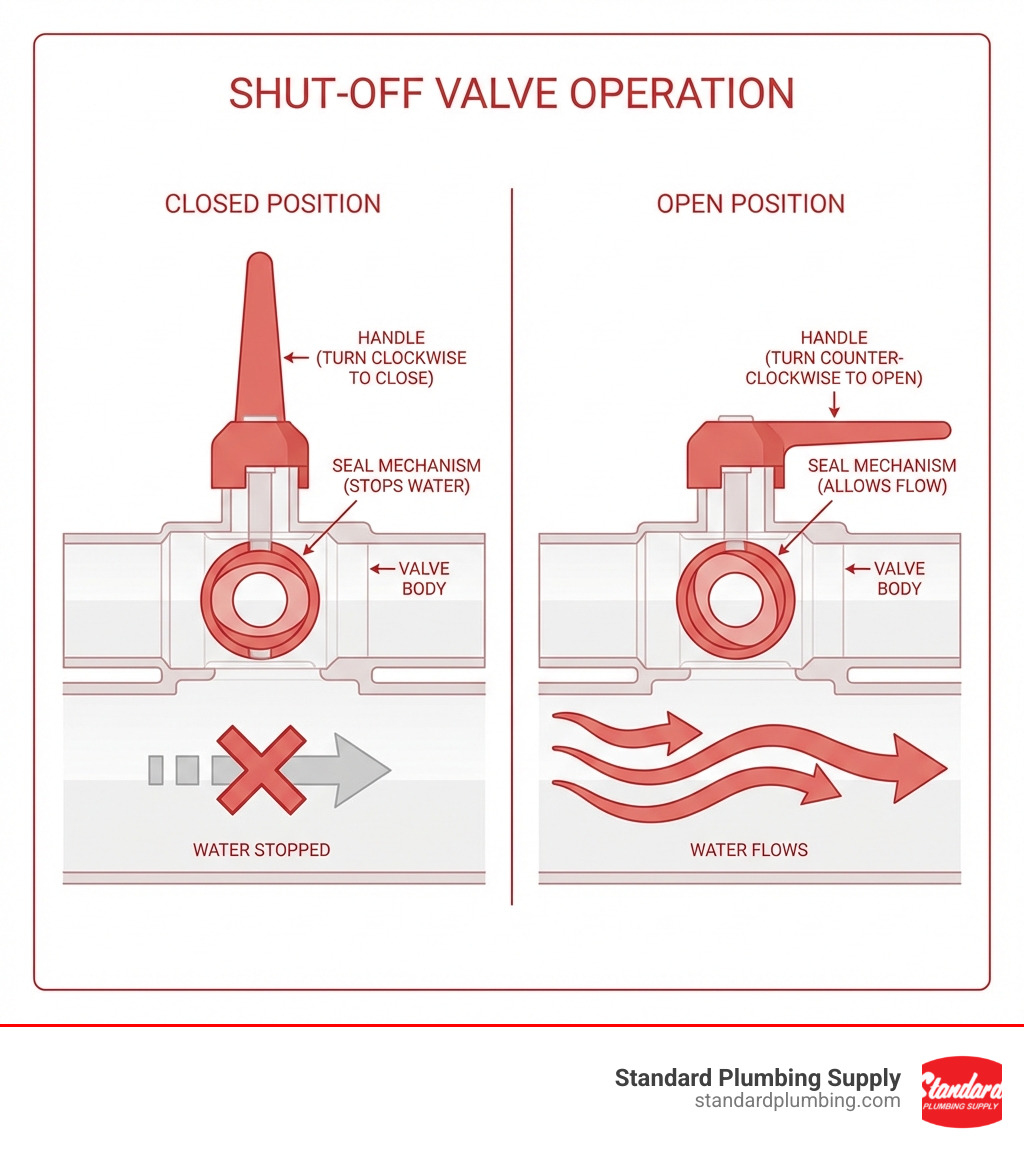
The primary function of a shut off valve is straightforward: it stops water from flowing through a pipe. When closed, it creates a watertight seal. When open, water flows freely. This simple mechanism gives you complete control over your home’s water supply.
Yet many homeowners have never located their main shut off valve, let alone tested it. They don’t know the difference between a ball valve and a gate valve, or where to find the stops under their sinks. This lack of knowledge can turn a minor plumbing issue into thousands of dollars in water damage.
This guide will empower you with everything you need to know about shut off valves. You’ll learn where to find them, how they work, when they need replacing, and what to do when something goes wrong. This knowledge brings peace of mind – you’ll be ready when an emergency strikes, and you’ll save money by handling simple repairs yourself.
I’m Jacob Reese, Vice President of Standard Plumbing Supply and a third-generation plumbing professional who’s been working with shut off valve systems since I was eight years old. Over the years, I’ve seen how understanding these critical components can save homeowners from disaster and costly repairs.
Understanding the Different Types of Shut-Off Valves
When we talk about shut off valves, we’re not just talking about one device. There’s a whole family of them, each designed for specific purposes in our residential and commercial plumbing systems. Recognizing these different types is the first step to truly understanding your home’s water network.
The most common types of water shut off valves we find in homes are ball valves and gate valves, often located on main water pipes. For individual fixtures like faucets, toilets, and appliances, we typically encounter angled and straight fixture shut off valves. And for outdoor use, you might find globe valves and stop-and-waste valves. These valves are used in various applications for handling liquids, gases, and even slurries.
How Common Valves Operate
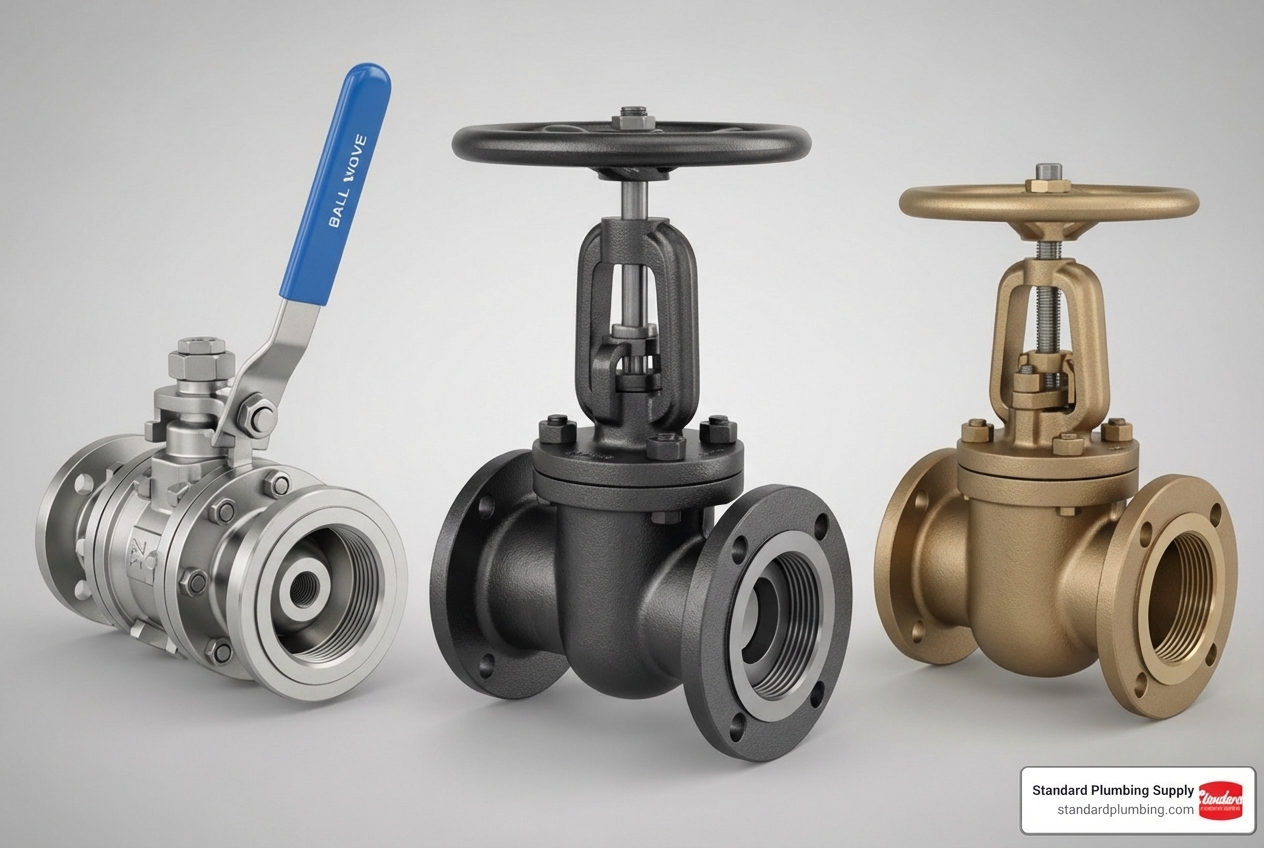
Let’s explore the mechanics of how these essential devices work. Generally, shut off valves operate in one of two ways: either by rotating a solid internal part to block water flow or by using a stem with a washer that squeezes down to stop the flow.
Here’s a closer look at the most common types:
| Valve Type | How it Works | Best For | Pros | Cons |
|---|---|---|---|---|
| Ball Valve | A spherical ball with a hole rotates 90 degrees (quarter-turn) to align with the pipe for flow or turn perpendicular to stop it. | Main water lines, quick shut-off needs, situations requiring full on/off. | Highly reliable, durable, easy to see if open/closed, provides full flow. | Not ideal for throttling (partially opening) flow, can cause water hammer if closed too quickly. |
| Gate Valve | A flat, wedge-shaped “gate” moves up or down via a multi-turn handle to block or allow flow. | Main water lines, infrequent shut-off, situations where gradual shut-off is acceptable. | Provides full flow when open, bidirectional, generally less expensive than ball valves. | Not ideal for throttling (can damage the gate), slower to operate, prone to leaks over time if not fully open/closed. |
| Globe Valve | A plunger presses against a valve seat, often with a baffle that reduces pressure. Requires multiple turns of a handle to operate. | Applications requiring flow regulation or throttling, outdoor spigots, some appliance lines. | Excellent for throttling and precise flow control, reduces water hammer. | Reduces water pressure on the outlet side, unidirectional (must be installed in specific direction), slower to operate. |
We should also mention fixture valves, which are crucial for isolating water to individual components. Angled fixture shut off valves, also known as stop valves or angle stops, are incredibly common. They typically have inlet and outlet ports at right angles and are often found under sinks for faucets or behind toilets. Straight fixture shut off valves are used when the supply line comes directly through the floor.
A word of caution about needle valves, sometimes called saddle valves: these are often used for small water lines, like those for refrigerator ice makers or humidifiers. However, they are generally considered unreliable and lack durability. In many areas, building codes no longer allow them due to their tendency to leak. If you have one, we recommend swapping it out for a more reliable ball or fixture shut off valve when possible.
For a deeper dive into these and other types, you can explore detailed guides on various 7 Types of Water Shutoff Valves.
Valves for Specific Fixtures and Uses
Beyond the main line, individual shut off valves are strategically placed throughout our homes to provide localized control. This is incredibly convenient and often prevents minor issues from becoming major disasters.
- Appliance Valves: Washing machines, dishwashers, and water heaters all have dedicated shut off valves. These allow us to turn off the water supply to a single appliance for maintenance, repair, or replacement without affecting the rest of the house. Imagine a leaky washing machine hose – being able to quickly turn off its water supply can save your laundry room from a flood!
- Toilet Valves: Every toilet should have its own shut off valve, typically an angled stop valve, located on the wall or floor behind it. This allows us to easily fix a running toilet or replace a fill valve without shutting off water to the entire bathroom.
- Sink Valves: Beneath every sink, you’ll find shut off valves for both hot and cold water lines. These are usually small angle stops or straight stops, essential for faucet repairs or replacements.
- Outdoor Valves: For sprinkler systems, outdoor spigots, and hose bibbs, specialized shut off valves are used. A common type for outdoor use in colder climates is the stop-and-waste valve. These valves, often found below ground and operated with a key, have two openings: one to control the water flow and another to drain water from the line. This “waste” function is critical for preventing pipes from freezing and bursting during winter. Electric diaphragm valves are also frequently used in sprinkler systems for automated control.
Having these individual shut off valves means we can isolate water flow to specific areas, making repairs much simpler and preventing unnecessary disruption to our daily routines.
Where to Find Every Shut off valve in Your Home
Knowing where your shut off valves are located is just as important as knowing how they work. These valves are your emergency access points to your home’s water supply. Let’s explore the typical hiding spots for these crucial components.
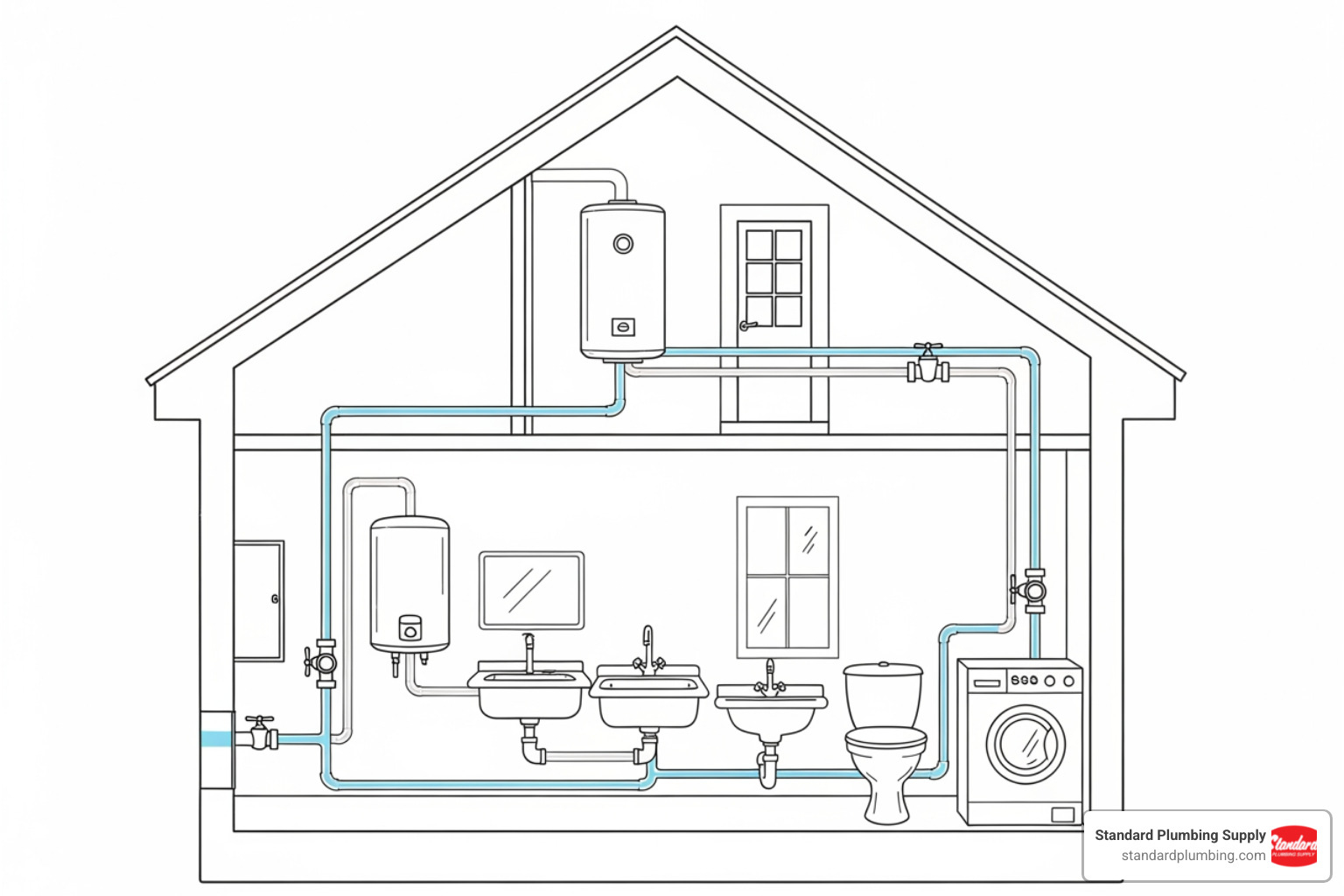
Locating these valves and ensuring they are accessible is a critical step in home maintenance. In an emergency, every second counts, so we want to be able to find and operate them quickly.
The Main Water Shut-Off Valve
This is the big kahuna, the ultimate control for your home’s water supply. The main water shut off valve stops all water from entering your home. Every homeowner should know its exact location and how to operate it.
In most homes throughout Arizona, California, Colorado, Idaho, Nebraska, Nevada, Oregon, Utah, and Wyoming, you’ll typically find the main water shut off valve in one of a few key places:
- Basement or Utility Room: This is the most common location. Look along the perimeter of your home, usually near the front or back, where the main water line enters the house. It’s often close to the water meter itself.
- Crawl Space: For homes without basements, the main shut off valve might be in a crawl space, again, where the water line comes in.
- Garage: Sometimes, particularly in warmer climates, the main shut off valve can be found in the garage, often mounted on a wall.
- Near the Water Heater or Furnace: In some layouts, it might be located in a furnace room or near the water heater, as these are central points for water distribution.
The main shut off valve is almost always located before the water meter. It’s usually a larger valve than those found under sinks, often a ball valve with a lever handle or a gate valve with a round, spoked handle.
We strongly encourage you to locate and mark your main shut off valve today. If you need to turn off the water to your entire property, this is the valve you’ll use. For more information on understanding your main water shut off valve, you can refer to resources like Water shutoff valve.
Fixture Shut-Off Valves (Stops)
These are the unsung heroes of localized plumbing control. Fixture shut off valves, also commonly called “stops,” allow us to turn off the water to individual fixtures or appliances without affecting the rest of the house. This means if your toilet is overflowing, you don’t have to shut off water to the whole house just to fix it!
You’ll find these convenient valves in predictable places:
- Under Sinks: Both kitchen and bathroom sinks will have hot and cold shut off valves for their respective faucets.
- Behind Toilets: As mentioned, an angle stop is typically located on the wall or floor behind each toilet.
- Water Heater Lines: There’s usually a shut off valve on the cold water inlet line to your water heater, allowing you to isolate it for maintenance or replacement.
- Washing Machine Hookups: Most washing machine connections have dedicated hot and cold shut off valves, often with lever handles for easy operation.
- Dishwasher Lines: While sometimes harder to spot, your dishwasher will have a shut off valve, usually under the kitchen sink or nearby.
- Other Appliances: Water-dispensing refrigerators and ice makers also have small shut off valves to control their water supply.
These valves are invaluable for isolating repairs. If a faucet starts leaking, we can simply turn off the water to that specific fixture, address the leak, and turn the water back on, all while the rest of our home’s plumbing remains fully functional.
The Curb Stop Valve
Now, this is a shut off valve that we, as homeowners, generally don’t touch. The curb stop valve, also known as a municipal water shut off valve or curb cock, is typically located at the property line. You might find it in your driveway, front yard, or even a back alley, often beneath a cover.
This valve connects to the underground water main near the street and is under the control of your local utility company. While it also serves to shut off water to your property, it’s primarily for the utility’s use – for example, if they need to work on the main water line or if there’s a serious leak on your property that they need to address from their side.
Homeowners are responsible for the main water shut off valve inside their property and all the pipes within their home. However, the water utility company typically owns the water meter and is responsible for the curb stop valve and the water lines leading up to your property line.
If you ever need the water shut off at the curb for a major repair or replacement of your main shut off valve, you’ll need to contact your local water utility. They have the specialized tools and expertise to safely operate this valve. We should never attempt to turn the curb stop valve ourselves, as improper operation can damage it and lead to fines or service interruptions.
Maintenance, Replacement, and Costs
Just like any other component in your home, shut off valves aren’t indestructible. Over time, they can wear out, seize up, or start to leak. Knowing when to replace them and what factors to consider for a new one can save us a lot of headaches and potential water damage.
Valves are constantly exposed to water, minerals, and pressure, which can take their toll. Mineral deposits and grit, especially in areas with hard water common in many of our locations, can clog shut off valves, making them difficult to turn or causing them to leak.
Signs Your Shut off valve Needs Replacing
How do we know when a shut off valve is on its last legs? Here are some tell-tale signs to look out for:
- Visible Drips or Leaks: This is the most obvious sign. Even a slow drip can lead to significant water damage or mold growth over time. If we see water around the valve body or connections, it’s time for a replacement.
- Rust or Mineral Buildup: A rusty or heavily corroded valve body indicates advanced wear. Mineral deposits can look like white or green crusty formations. These show that the valve is likely deteriorating internally and may not function correctly.
- Inability to Turn Handle: If the handle is seized, extremely stiff, or breaks off when you try to operate it, the valve is compromised. A valve that cannot be fully opened or closed is useless in an emergency.
- Valve Doesn’t Fully Stop Water: This is a critical issue. If we close a shut off valve, but water continues to trickle or flow, it means the internal mechanism is failing to create a watertight seal. This is a common problem with older gate valves where the gate no longer seats properly. A good test is to close the fixture valve, turn on the faucet it controls, and see if water still comes out. If it does, the valve isn’t doing its job.
Choosing the Right Shut off valve
When it’s time to replace a shut off valve, or install a new one, several factors come into play:
- Valve Materials:
- Brass: This is the most popular choice for residential shut off valves due to its versatility, durability, resistance to corrosion, and ability to be used both indoors and outdoors. Many of the valves we carry at Standard Plumbing Supply are brass.
- Stainless Steel: An excellent, highly corrosion-resistant option, though typically more expensive than brass.
- Plastic (PVC, CPVC, Polypropylene): These materials are cost-effective and suitable for specific low-pressure, low-temperature situations, such as irrigation systems or certain appliance lines. We often see these in areas where specific chemical resistance is needed.
- Connection Types: The type of connection must match your existing plumbing pipes. Common types include:
- Threaded: Used for galvanized steel pipes.
- Compression Fittings: Common for copper and plastic pipes, easy to install with basic tools.
- Push-to-Connect (PTC): Incredibly popular for quick and easy installation on copper, PEX, and CPVC pipes, requiring no special tools, soldering, or glue. Our customers love these for DIY projects.
- Solder (Sweat): Used for copper plumbing, creating a very strong, permanent bond. This usually requires a professional plumber due to the need for heat and specialized skills.
- PEX Fittings: For PEX tubing, barbed fittings with crimp rings are common, requiring a crimping tool.
- Valve Size: Ensure the valve’s connection size (e.g., 1/2 inch, 3/4 inch) matches your pipe diameter. Fixture valves often have different inlet and outlet sizes (e.g., 1/2 inch inlet x 3/8 inch outlet).
- Pressure Rating: The valve must be rated for the maximum water pressure in your plumbing system. Most residential systems operate around 40-80 PSI, but it’s good to ensure the valve can handle higher pressures (e.g., 150-250 PSI) for safety and longevity.
The Replacement Process: DIY or Pro?
Replacing a shut off valve can range from a relatively simple DIY task to a job best left for the pros.
When to call a plumber:
We generally recommend calling a licensed plumber for:
- Main water shut off valve replacement: This is a critical component, and any mistake can lead to significant water damage. It often requires cutting into the main line, which is a job for someone with skill, expertise, and specific tools. In some cases, you might even need your local utility to temporarily shut off water at the curb stop valve first.
- Soldered connections: If your existing valve is soldered onto copper pipes, you’ll need soldering equipment and experience. Improper soldering can lead to leaks.
- Any job you’re uncomfortable with: If you’re unsure, it’s always safer to call a professional. At Standard Plumbing Supply, we work with many trusted plumbers in our service areas who can handle these jobs efficiently.
For simpler tasks, like replacing a fixture shut-off valve with a compression or push-to-connect fitting, a confident DIYer might attempt it. You’ll need to:
- Shut off the main water supply to your home.
- Drain the water from the lines by opening a faucet at the lowest point in your house.
- Have basic tools like wrenches, pipe cutters (if needed), and towels ready.
- Follow the manufacturer’s instructions for your new valve carefully.
Costs associated with purchasing and installing shut off valves:
- Cost of valves: A typical shut off valve can range from $10 to $30, depending on the type, material, and brand. More specialized or smart valves can be significantly more.
- Installation costs: If you hire a professional, the installation of a single shut off valve usually costs between $135 and $350. For multiple valve installations, the cost can range from $600 to $850. These costs can vary based on your location, the complexity of the job, and the plumber’s rates.
Frequently Asked Questions about Shut-Off Valves
We often hear similar questions from homeowners about their shut off valves. Let’s address some of the most common ones to further empower you with knowledge.
How do I operate a shut-off valve?
Operating a shut off valve is usually straightforward, but it depends on the type:
- Ball Valves (Quarter-Turn): These are the easiest. They have a lever handle that you turn 90 degrees (a quarter-turn). When the handle is parallel to the pipe, the valve is open. When it’s perpendicular to the pipe, the valve is closed. This visual cue makes it easy to tell its status. To close, turn the handle clockwise until it stops.
- Gate Valves and Globe Valves (Multi-Turn): These have a round, spoked handle. To close them, turn the handle clockwise (“righty-tighty”) until it’s snug. To open, turn counterclockwise. It might take several full turns to fully open or close these valves.
Important Tip: Never force a stuck shut off valve. If it won’t turn easily, forcing it can break the stem or valve body, leading to a much bigger leak. If it’s stuck, it’s a sign it might need replacement.
How often should I test my shut-off valves?
We recommend testing your shut off valves annually. This helps ensure they remain functional and don’t seize up from disuse.
To test:
- Gently turn the valve clockwise until it’s fully closed. Don’t overtighten, especially with older multi-turn valves.
- Open the faucet or appliance that the valve controls to ensure the water flow stops completely.
- Gently turn the valve counterclockwise to fully open it again.
- Check for any small leaks around the valve body or connections after testing.
Regular, gentle operation helps prevent mineral buildup and keeps the internal mechanisms moving smoothly. Think of it as preventative maintenance for your plumbing’s emergency brakes!
What is the difference between a quarter-turn and a multi-turn valve?
The primary difference lies in their operation and internal mechanism:
- Quarter-Turn Valve: As the name suggests, these valves open and close with a 90-degree turn of the handle. They almost exclusively use a ball mechanism internally.
- Pros: Quick shutoff, very reliable, provides a clear visual indication of open/closed status, and less prone to leaks from frequent use.
- Cons: Not designed for throttling water flow (it’s either fully open or fully closed).
- Multi-Turn Valve: These valves require several full rotations of the handle to move from fully open to fully closed. They typically use a gate or globe mechanism.
- Pros: Can be used for throttling or regulating water flow (especially globe valves), which is useful for applications like garden hoses where you might want partial flow.
- Cons: Slower to operate, less reliable for complete shutoff over time (especially gate valves), and can be damaged if used for throttling (gate valves).
While multi-turn valves are still common, quarter-turn shut off valves (ball valves) are generally considered more reliable and are often preferred for their ease of use and durability, even if they might be a bit more expensive upfront.
Conclusion
Understanding your home’s shut off valves is more than just a plumbing detail; it’s a fundamental aspect of homeownership that brings security and peace of mind. From the critical main shut off valve that protects your entire property to the individual fixture stops that simplify repairs, these devices are your first and best defense against costly water damage.
We’ve explored the different types of shut off valves—ball, gate, globe, and fixture stops—how they work, and where you’re likely to find them throughout your home in Arizona, California, Colorado, Idaho, Nebraska, Nevada, Oregon, Utah, and Wyoming. We’ve also armed you with the knowledge to identify when a valve needs replacing, how to choose the right one, and when it’s best to call a professional. A little proactive maintenance, like annual testing, can go a long way in ensuring these essential components are ready when you need them most.
Being prepared for a plumbing emergency means knowing where your shut off valves are and how to operate them. This knowledge empowers you to act quickly, minimize damage, and potentially save thousands of dollars in repairs.
At Standard Plumbing Supply, we’re here to help you with all your plumbing needs. Whether you’re a seasoned DIYer or looking to hire a professional, we have the quality shut off valves and plumbing expertise to support your projects.
Find all the plumbing fittings you need for your next project.
